 10:15 ET – Fed’s Bowman
- 10:45 ET – Fed’s Williams
- 12:20 ET – Fed’s Kugler
- 12:30 ET – Fed Chairman Jerome Powell
- 13:00 ET – Fed’s Kugler
The Fed speakers are all lined up to attempt to spin the markets in a positive direction – just like the endless BS in the Mainstream Media this week (well, almost always) who have been trying to tell us the President’s Tuesday address to the Nation was “normal” or that Tariffs would be good for us – eventually…
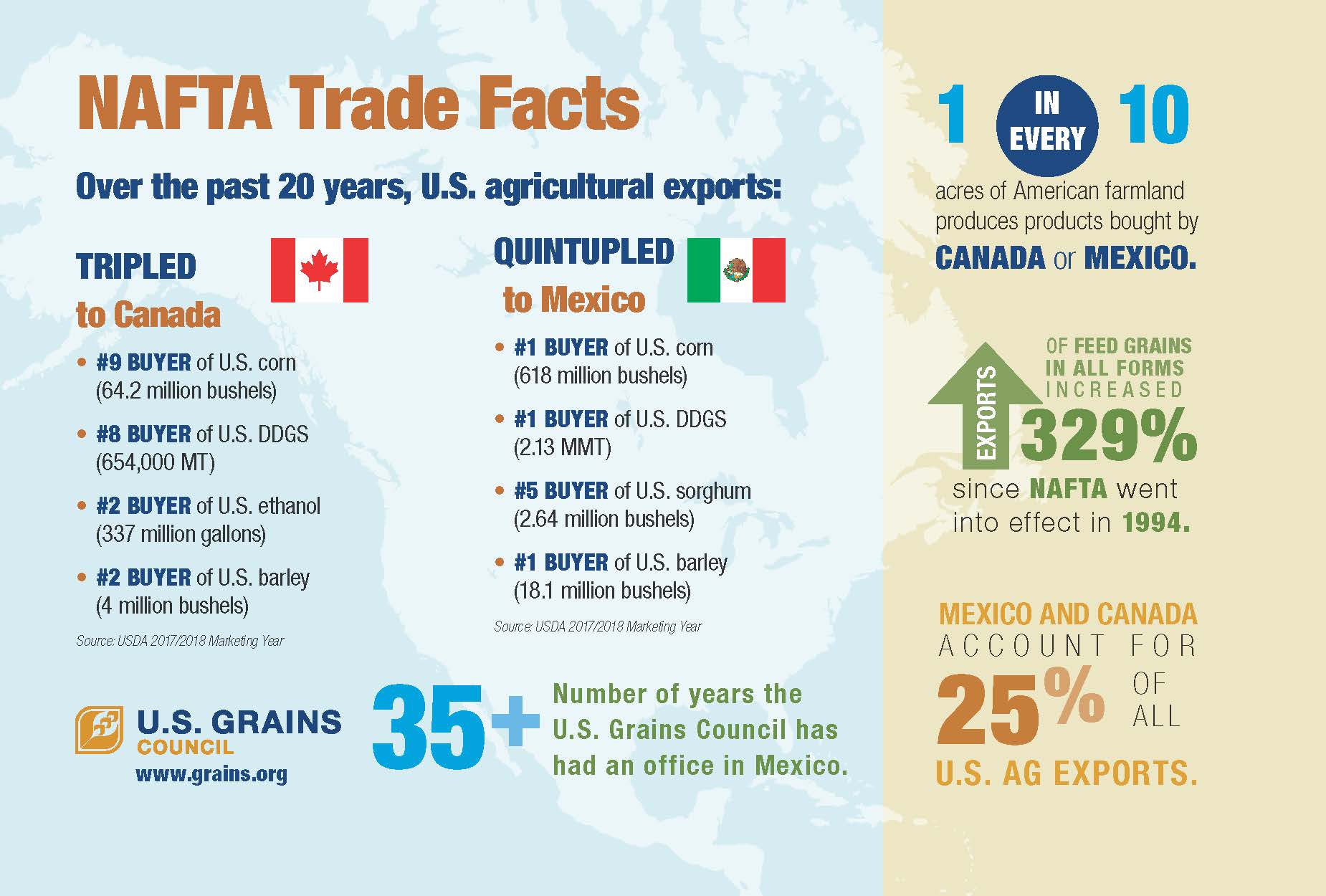
Tariffs are ridiculous policy and it took us 20 years to work out NAFTA/USMCA and we’re not just violating the very same Trade Agreement that turbo-charged the North American Economy (yes, including ours) but we are destroying the relationship we’ve built up with Canada and Mexico AND disrupting the very successful supply chains that were ENCOURAGED under the agreement.
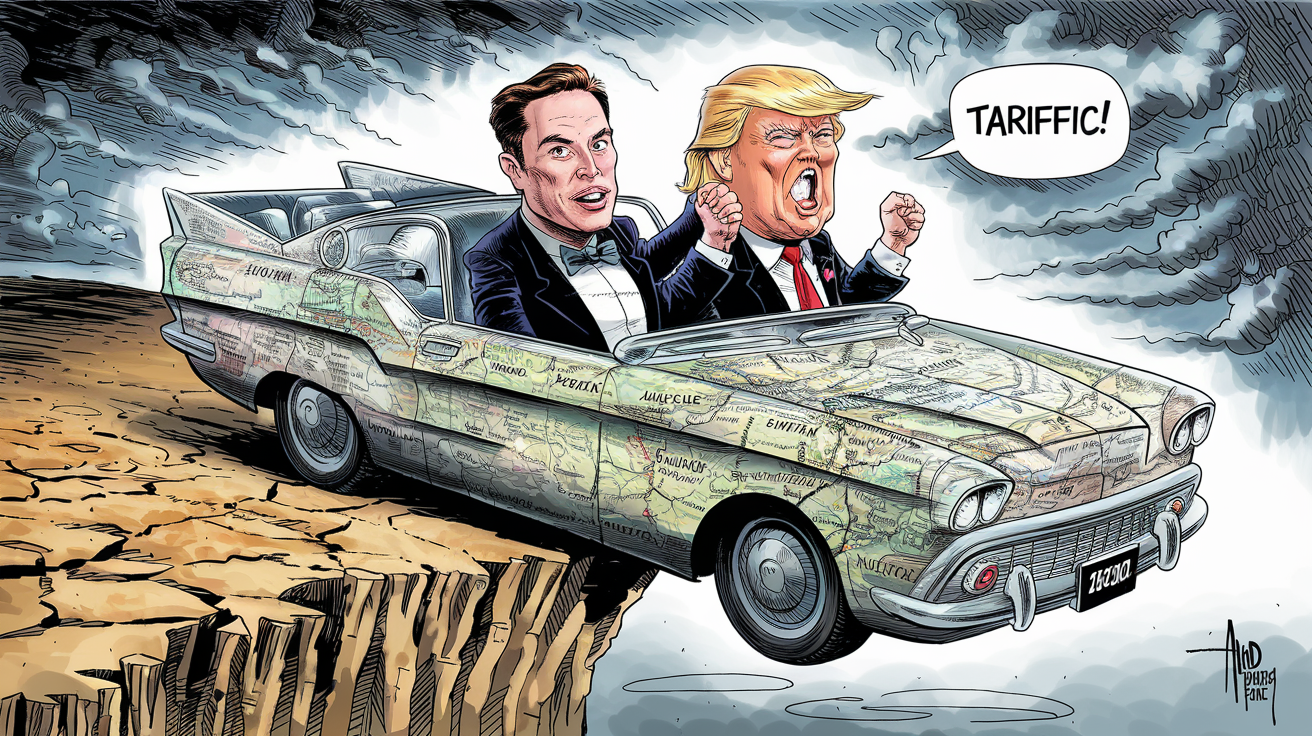
Trump has given the auto makers, for example, one month to “bring their manufacturing back to the US.” Unless those factories are made of legos – that is not likely to happen. Not only that but do we really want factories with all the smoke and pollution back in the US – remember how smoggy our cities used to be? That’s another thing we exported along with our factories.
Also, we lost about 5M Manufacturing Jobs since the agreement was signed in 1994 but we lost 2M jobs in the 20 years before that so a good portion of those jobs were already in decline. There are only 2M people in the US without jobs and Trump is still working on chasing down 11M people to kick out of the country so where will the labor force come from to work at these factories?
Putting your precious eggs into factory baskets has always been a dangerous business. Detroit fell apart long before you could blame NAFTA and, in fact, moving factories to Canada and Mexico helped revive the US Auto Industry and kept us competitive for the last 30 years. FORCING them to spend hundreds of Billions of Dollars (in debt, as they don’t have the cash) may boost the economy in the short run but it’s like China, building Factories, Airports and Cities that no one will actually use – just to boost the short-term economy.
David Honig, who is a Professor of Law who teaches negotiations sums up the policy mistakes Trump has made and will continue to make and they are very important to understand so here are the Professor’s notes on Trump and Trade:
“Trump, as most of us know, is the credited author of “The Art of the Deal,” a book that was actually ghost written by a man named Tony Schwartz, who was given access to Trump and wrote based upon his observations. If you’ve read The Art of the Deal, or if you’ve followed Trump lately, you’ll know, even if you didn’t know the label, that he sees all dealmaking as what we call “distributive bargaining.”
 Distributive bargaining always has a winner and a loser. It happens when there is a fixed quantity of something and two sides are fighting over how it gets distributed. Think of it as a pie and you’re fighting over who gets how many pieces. In Trump’s world, the bargaining was for a building, or for construction work, or subcontractors. He perceives a successful bargain as one in which there is a winner and a loser, so if he pays less than the seller wants, he wins. The more he saves the more he wins.
The other type of bargaining is called integrative bargaining. In integrative bargaining the two sides don’t have a complete conflict of interest, and it is possible to reach mutually beneficial agreements. Think of it, not a single pie to be divided by two hungry people, but as a baker and a caterer negotiating over how many pies will be baked at what prices, and the nature of their ongoing relationship after this one gig is over.
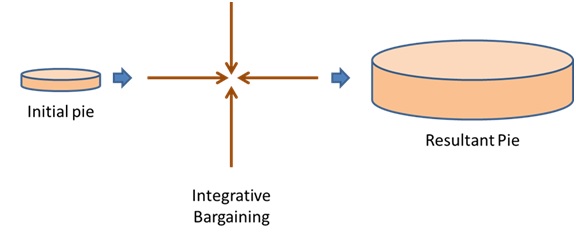
The problem with Trump is that he sees only distributive bargaining in an international world that requires integrative bargaining. He can raise tariffs, but so can other countries. He can’t demand they not respond. There is no defined end to the negotiation and there is no simple winner and loser. There are always more pies to be baked. Further, negotiations aren’t binary. China’s choices aren’t (a) buy soybeans from US farmers, or (b) don’t buy soybeans. They can also (c) buy soybeans from Russia, or Argentina, or Brazil, or Canada, etc. That completely strips the distributive bargainer of his power to win or lose, to control the negotiation.
One of the risks of distributive bargaining is bad will. In a one-time distributive bargain, e.g. negotiating with the cabinet maker in your casino about whether you’re going to pay his whole bill or demand a discount, you don’t have to worry about your ongoing credibility or the next deal. If you do that to the cabinet maker, you can bet he won’t agree to do the cabinets in your next casino, and you’re going to have to find another cabinet maker.

There isn’t another Canada.
So when you approach international negotiation, in a world as complex as ours, with integrated economies and multiple buyers and sellers, you simply must approach them through integrative bargaining. If you attempt distributive bargaining, success is impossible. And we see that already.
Trump has raised tariffs on China. China responded, in addition to raising tariffs on US goods, by dropping all its soybean orders from the US and buying them from Russia. The effect is not only to cause tremendous harm to US farmers, but also to increase Russian revenue, making Russia less susceptible to sanctions and boycotts, increasing its economic and political power in the world, and reducing ours. Trump saw steel and aluminum and thought it would be an easy win, BECAUSE HE SAW ONLY STEEL AND ALUMINUM – HE SEES EVERY NEGOTIATION AS DISTRIBUTIVE. China saw it as integrative, and integrated Russia and its soybean purchase orders into a far more complex negotiation ecosystem.
Trump has the same weakness politically. For every winner there must be a loser. And that’s just not how politics works, not over the long run.
For people who study negotiations, this is incredibly basic stuff, negotiations 101, definitions you learn before you even start talking about styles and tactics. And here’s another huge problem for us.
 Trump is utterly convinced that his experience in a closely held (and arguably unsuccessful) real estate company has prepared him to run a nation, and therefore he rejects the advice of people who spent entire careers studying the nuances of international negotiations and diplomacy. But the leaders on the other side of the table have not eschewed expertise, they have embraced it. And that means they look at Trump and, given his very limited tool chest and his blindly distributive understanding of negotiation, they know exactly what he is going to do and exactly how to respond to it.
From a professional negotiation point of view, Trump isn’t even bringing checkers to a chess match. He’s bringing a quarter that he insists of flipping for heads or tails, while everybody else is studying the chess board to decide whether its better to open with Najdorf or Grünfeld.”
Trump’s 30-day auto reprieve isn’t just a lifeline – it’s a bargaining chip dangling in front of Canada and Mexico. But what’s next? The USMCA’s rules of origin (62.5% North American content for autos) were a decade-long negotiation; unraveling them now risks a domino effect beyond cars. Steel and Aluminum (already tariffed) flow through cross-border pipelines feeding U.S. Construction and Aerospace.
A Canadian retaliatory tax on U.S. energy exports (think oil sands to Midwest refineries) could spike gas prices by summer, hitting low-income consumers already balking at discretionary spending (the Beige Book’s nod to price sensitivity we discussed on Wednesday). Mexico might pivot Ag exports to Asia, leaving U.S. grocers scrambling. This isn’t just a $12,000 car price hike, it’s a slow choke on the $2.5T North American Trade Ecosystem. Markets cheered the exemption, but the VIX at 24 whispers they’re not blind to the cliff ahead.

With the Fed’s lineup (Bowman, Williams, Kugler, and Powell) taking the stage today, their harmony aims to drown out Trump’s tariff dissonance. But here’s the rub: their tools are blunt. Rate cuts can’t fix a supply chain snapped by a 25% duty wall, nor can they conjure workers for factories Trump dreams of re-shoring. Williams might hint at Labor Market “resilience” despite ADP’s 77K flop, but the Beige Book’s 47 uncertainty flags signal businesses aren’t buying it – they are hoarding cash, NOT hiring. Powell’s stuck conducting a symphony for an audience distracted by Trump’s one-man tariff band but that’s a Band-Aid on a broken leg – trade wars bleed longer than monetary policy can patch.

Have a great weekend,
— Phil