 Tricky Tuesday indeed!
The markets grappling with a confluence of factors, including disappointing Corporate Earnings which are heavily impacted by slow-rolling tariffs ahead of the cross-currents of a speech coming from Federal Reserve Chair (for now), Jerome Powell.
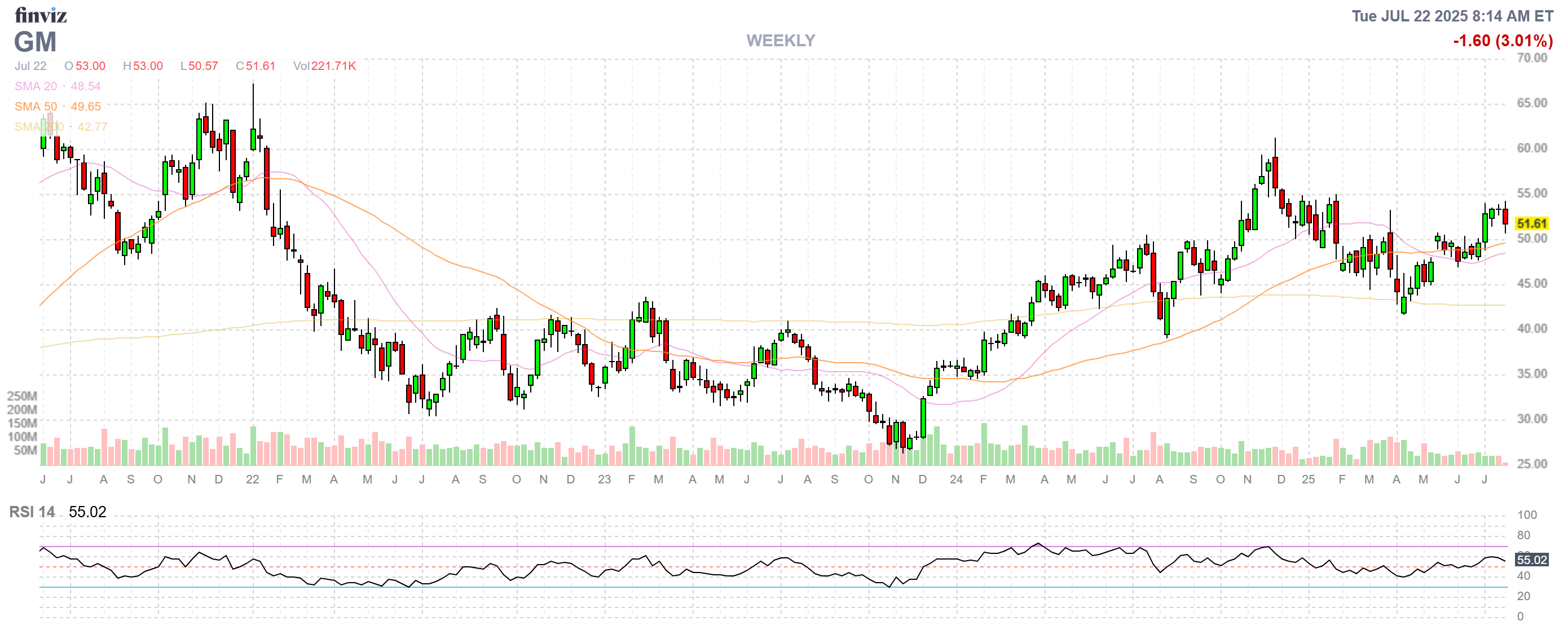
General Motors (GM) has delivered a stark reminder of the real-world costs of trade tensions – announcing that tariffs imposed by the Trump administration had a significant $1.1 billion net impact on their second-quarter Operating Income, contributing to a 35% decline in net income to $1.8 billion.
This comes despite what was, otherwise, a strong quarter for Sales with GM posting an industry-leading 12% Sales gain through the first half of the year, according to Cox Automotive. GM “only” makes/made $9Bn a year so $1.1Bn per quarter may be a bit much off the top, don’t you think?
The automaker regained U.S. market share leadership and saw its EV sales more than double in Q2, making Chevrolet the second best-selling EV brand. However, the tariff hit weighed heavily on their profitability and GM warns that the tariff impact will be even GREATER in Q3 due to indirect costs, though they are actively pursuing “mitigation” efforts like shifting some production to the U.S. This complex picture highlights the delicate balance automakers are navigating between still-strong Consumer Demand and escalating trade policy headwinds.
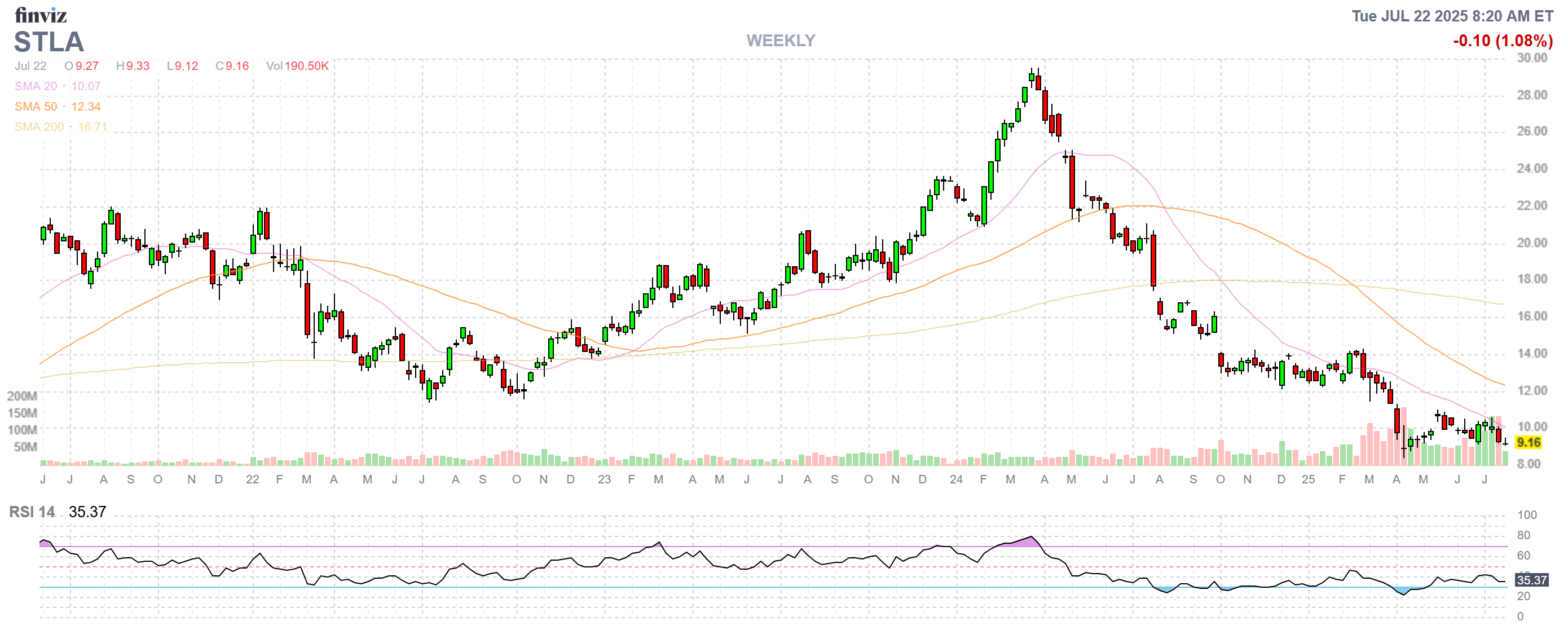
Stellantis (STLA), makers of Jeep, Ram, Peugeot, and Fiat reported a staggering €2Bn loss in the first half of 2025. Revenue fell 13% amid a 25% drop in U.S. vehicle deliveries, directly tied to both U.S.-imposed tariffs and retaliatory policies abroad. STLA estimated tariffs cost it €300 million in just six months and openly warned that more price hikes may be coming as tariff pressures increase. Stellantis was forced to temporarily halt production at multiple plants in Mexico and Canada, exacerbating lost sales and dealer frustration. Management stated tariffs are “inherently inflationary” and do not expect relief in the second half.
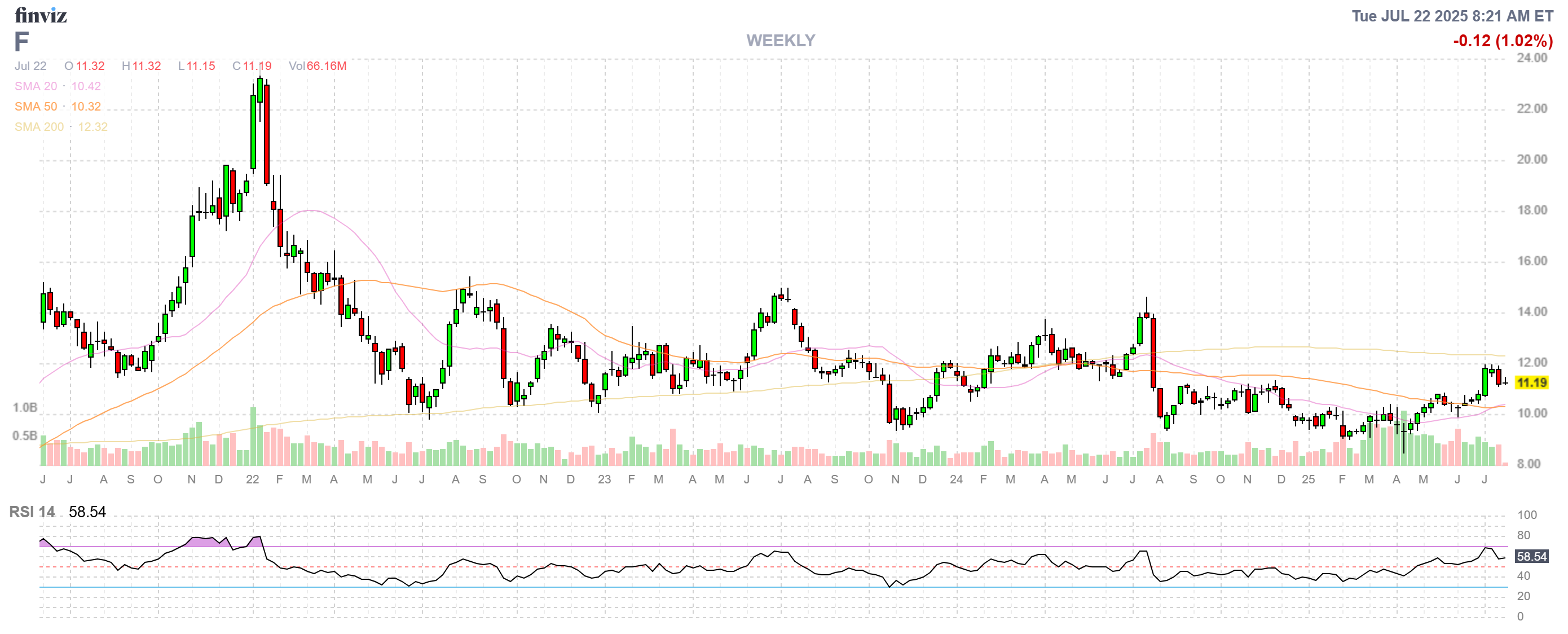
Ford (F) also flagged mounting tariff-related pressure, with shares falling about 1% after guidance indicated ongoing profit headwinds similar to GM and STLA. While Ford’s quarter was less dramatic, leadership warned of rising cost pressures in the second half as inventories and logistics adapt to new trade rules. Automakers as a whole continue to revise guidance and scramble for mitigation strategies, like shifting production stateside and cutting discretionary spending, but the impacts have been swift and widespread.
This is a very interesting way to “Bring back manufacturing jobs” to the US – by imperiling millions of good factory jobs in America’s largest industry (and biggest exporters). But the madness doesn’t stop with the Auto Industry – even Defense is taking a hit:
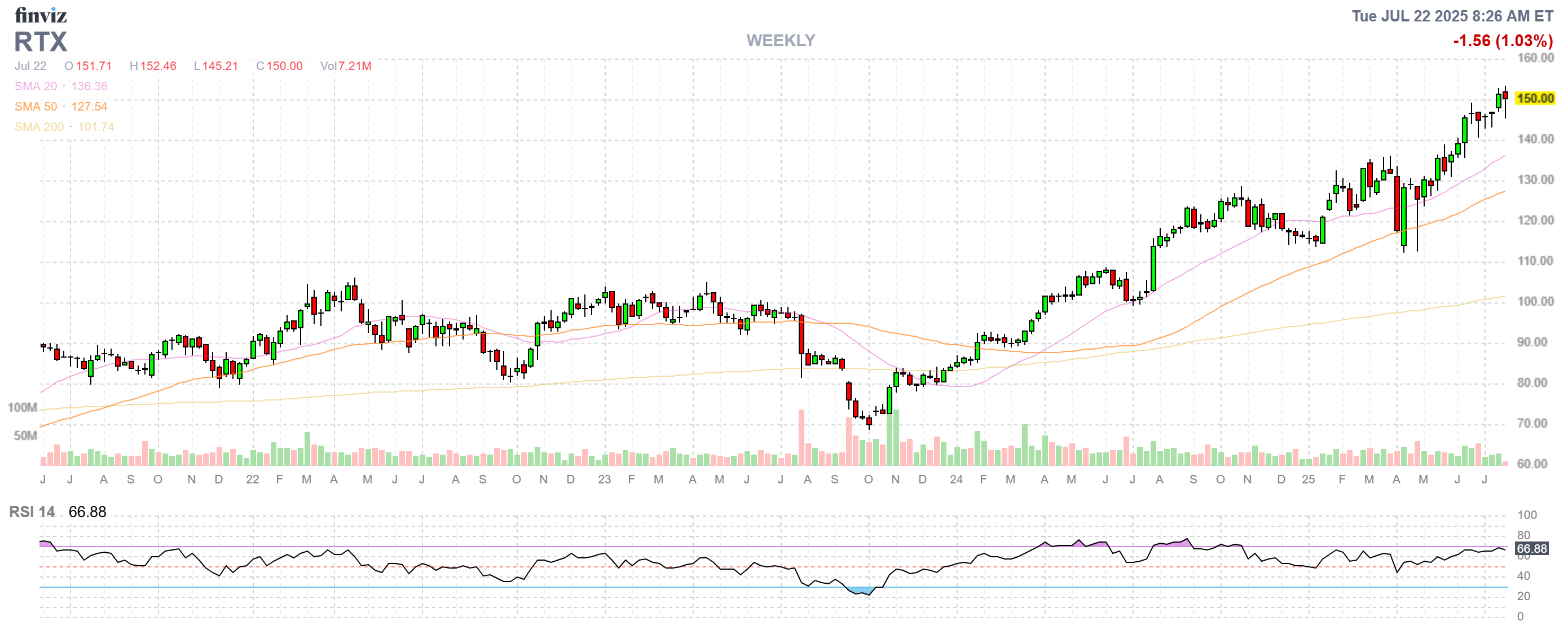
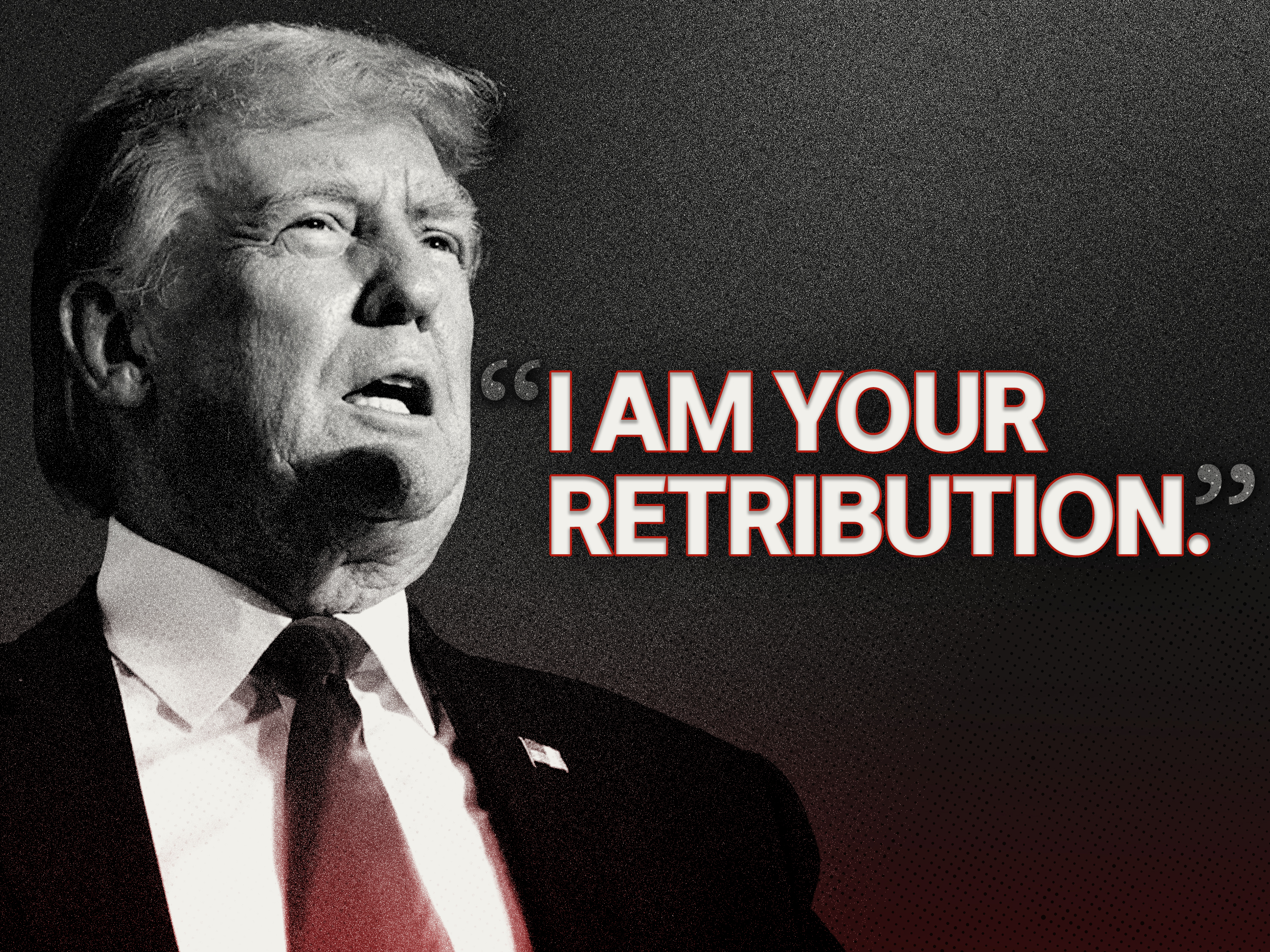
Aerospace and defense giant RTX, the parent of Raytheon, Pratt & Whitney and Collins Aerospace, lowered its full-year profit forecast, specifically citing anticipated tariff impacts and new tax legislation. CEO Chris Calio emphasized that the updated outlook “incorporates the expected impact of tariffs,” as the company works to offset these pressures and, of course, they are not going to criticize the Administration’s policies – that would invite RETRIBUTION. While underlying Commercial and Defense growth remains strong, tariffs now trim adjusted EPS guidance and are actively modeled in all forward forecasts.
The backlog has grown, but margin improvement is now expected to stall as tariffs squeeze supplier costs and reduce pricing flexibility.
While most Consumer-facing giants like Coca-Cola (KO) managed to beat Q2 Revenue estimates, thanks to strong pricing power and brand resilience, there are clear indications that companies with stretched supply chains or exposure to foreign inputs are feeling the margin squeeze, even if headline results haven’t yet disappointed.
Several conference calls in Consumer Products and Home Goods have referenced “rising import costs,” “tariff headwinds,” and “mixing shifts to lower-margin domestics” as current challenges. Most have refrained from full-year guidance upgrades due to “tariff uncertainty in the back half” of the year. That would be the half you are investing in NOW!

Summary Table: Recent Major Companies Citing Tariff Strains
| Company/Group | Indicator of Tariff Impact | Notable Details |
|---|---|---|
| General Motors | $1.1B Q2 profit hit, warns Q3 worse | 35% net income drop, mitigation attempts |
| Stellantis | €300M tariff hit, €2B H1 loss | 13% revenue drop, 25% drop in US deliveries, halted plants |
| Ford | Ongoing profit headwinds | Guidance cut, shares -1% |
| RTX (Raytheon) | Lowered FY profit outlook, thinner margins | EPS cut, supply chain stress |
| Retail/Consumer | Margin compression, cautious guidance | Input cost rises cited on calls |
Industrials, Autos, Aerospace, and an increasing share of Consumer companies are now openly discussing tariff pain in their results. Even companies beating on the topline are flagging Margin Risk and limiting guidance upgrades as costs trickle down the supply chain. With major tariff deadlines set for August 1st (next Friday!), and Powell’s Fed balancing soft Macro and policy headwinds, volatility is rising and bottom-line pressure is growing almost everywhere you look.
The “tricky” part for markets: headline numbers may not fully capture the tariff drag. We will be looking carefully at margin commentary and forward guidance for the real story.
As tariff pressures mount, a growing number of major companies are threading the needle during earnings calls and public statements, careful not to point fingers too squarely at the Administration for profit hits. This caution is evident across Autos, Aerospace, and Consumer sectors and it reflects not just a desire to manage investor expectations, but a real and present fear of retaliation, especially for firms with critical Government contracts or regulatory dependencies.
 🚢 Why Companies Are Talking Around Tariffs
-
-
-
Retaliation Risk:
Companies like RTX (Raytheon Technologies), Ford, and others are highly exposed to U.S. government spending and oversight. Explicitly blaming the Administration for profit shortfalls or supply chain disruptions risks backlash—ranging from regulatory scrutiny, contract delays, or being cut out of future procurement cycles. -
Political Sensitivities:
In the current climate, criticizing White House policy—particularly on trade—can bring unwanted media attention or even a public rebuke from high-ranking officials. Several CEOs have already faced social media attacks after previous unsparing commentary on trade. -
Earnings Call Code:
Listen for euphemisms: “policy uncertainty,” “input cost headwinds,” and “geopolitical friction” are now common stand-ins for “tariffs are hurting our margins.” Companies may highlight “mitigation efforts” or “dynamic external environment” rather than directly assigning blame.
-
-
RTX (Raytheon Technologies): A Case in Point
-
-
-
Government Nexus:
RTX relies on the U.S. defense budget and export licenses. Management has referenced “expected impacts from tariffs” and included them in profit guidance, but has stopped short of criticizing the Administration or calling for policy reversal. Instead, they underscore adjustments, resilience, and partnership with government customers. -
Behind Closed Doors:
Analyst chatter and off-the-record commentary indicate RTX leadership is far more outspoken about tariff impacts in private. However, on the record, they focus on “macro challenges” and “dynamic supply chains” to avoid antagonizing Washington.
-
-
The Broader Pattern: Circumspection Is Everywhere

-
-
-
Autos:
Stellantis and Ford note “input cost increases” and “unfavorable trade dynamics,” rarely naming tariffs directly unless prompted. When pressed, executives quickly pivot to the company’s proactive steps or state they “look forward to productive discussions with policymakers.” -
Other Sectors:
Retailers, consumer goods companies, and manufacturers are increasingly vague about sourcing pain or margin pressure from tariffs, often highlighting “resilient consumer demand” or “operational agility” instead.
-
-
Why This Matters for Investors
-
-
-
Clarity Lost:
The strategic vagueness complicates analysts’ task of gauging true margin impact or forecasting future profit erosion. This opacity can mask the real economic effects of ongoing trade wars on corporate America and the broader economy. -
Policy Feedback Loop:
Because public complaints are muted, policymakers may underestimate the pain tariffs are causing—potentially prolonging or escalating trade disputes.
-
-
What to Watch in Upcoming Calls
-
-
-
The subtext: Are top executives focusing on “cost control,” “shifted sourcing,” or other generalized external challenges, rather than naming tariffs outright?
-
Any rare public calls for policy change (as seen from select auto industry consortiums) are notable for their boldness and mark a potential shift in industry risk appetite.
-
-
Big companies, especially those with government exposure, are choosing their words carefully on tariffs. For now, the C-suite’s public diplomacy is about SURVIVAL: mitigating margin pain behind the scenes while projecting compliance (or at minimum, non-confrontation) in front of the Administration and markets alike. Watch what they do in their mitigation efforts and capital allocation, not just what they say…
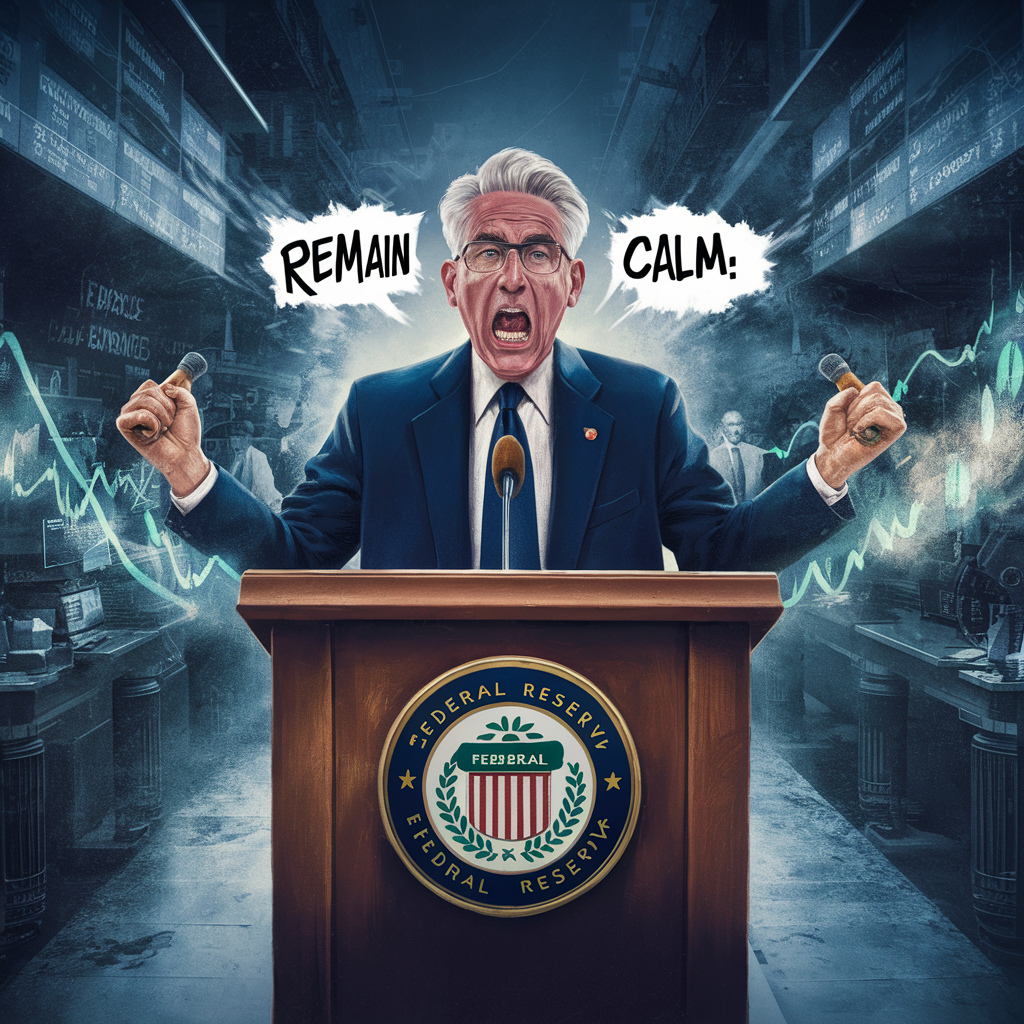
 Speaking of walking on eggshells, all eyes now turn to Jerome Powell, who is currently delivering opening remarks at the “Integrated Review of the Capital Framework for Large Banks Conference” in Washington, D.C. While the full text of his speech is being released, his initial comments are focused squarely on the technical aspects of Bank Capital Requirements: Risk-based capital, leverage requirements, the surcharge for large banks, and stress tests. He emphasized the need for all elements of the framework to work together effectively to maintain a safe, sound, and efficient Banking System.
The backdrop to Powell’s address is far more charged, however. His appearance comes amid intensified criticism from the Trump administration, with Trump escalating his rhetoric, branding Powell “one of my worst appointments” (now that he found out Biden didn’t appoint him) and a “numbskull” for not lowering interest rates further. Treasury Secretary Scott Bessent has also joined the chorus, calling for a review of the “entire Federal Reserve Institution” and questioning the costly renovations to the Fed’s headquarters – an issue the administration appears to be using to suggest “cause” for Powell’s dismissal, despite the Fed’s well-established legal independence (the law doesn’t matter when you control the judges, does it?).
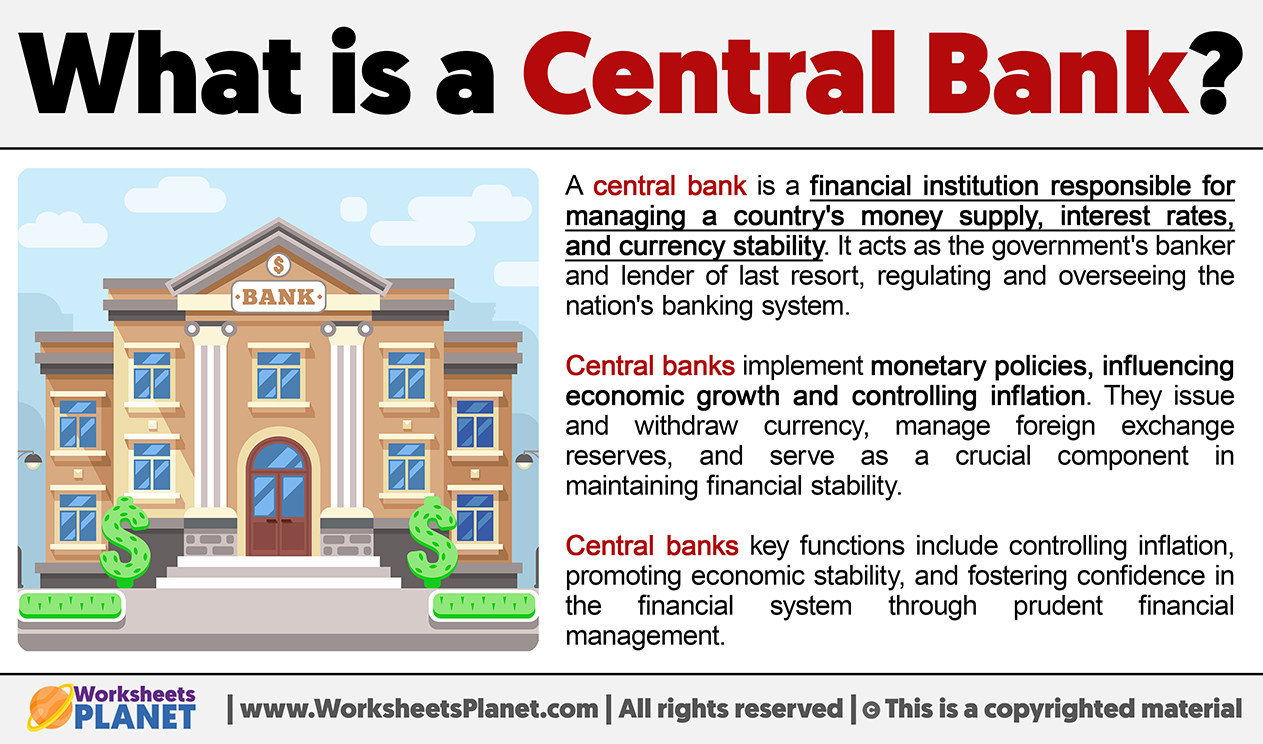
While Powell’s prepared remarks today are unlikely to deviate into the realm of monetary policy or directly address the political firestorm, the market will be dissecting every word for any subtle cues about the Fed’s “resilience” in the face of political pressure and its outlook on the Broader Economic Landscape, particularly as trade tensions continue to bite. Any perceived weakness in the Fed’s independence could have unpredictable consequences for bond markets, the dollar, and global capital flows.
We’ll be monitoring the full conference proceedings and bringing you live updates and analysis throughout the day in our Live Member Chat Room as more details of Powell’s speech and any subsequent Q&A emerge. The balance truly hangs in the balance this very “Tricky Tuesday.“