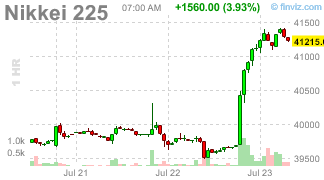
 The Nikkei is blasting higher this morning.
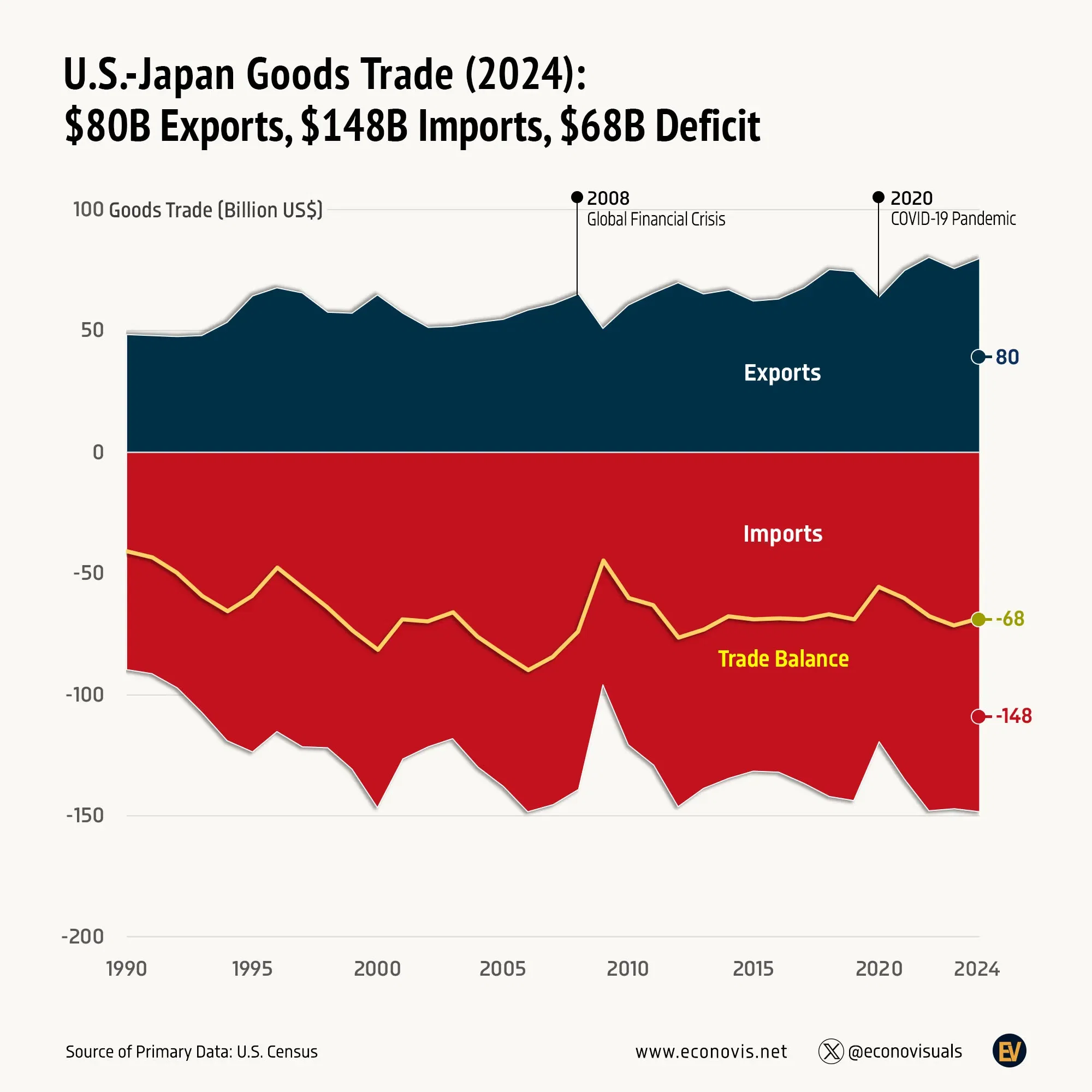
The US and Japan have reached a trade deal in which Japan is accepting a 15% tariff rate on what was $148Bn last year so $22.2Bn that WON’T be paid by Japan but WILL be paid by the American people. While the reduction of a threatened 25% tariff to a 15% flat rate on Japanese imports, including automobiles, might seem like a win, it’s crucial to examine whether the US has truly “won” or if this is more about political optics than genuine economic advancement for America.
Of course I asked Boaty (our research AI) to gather the details and, since this is VERY IMPORTANT, I’m going to share with you the raw data before getting into my own analysis:
🚢 The Story on the 2025 Japan Trade Deal
Deal Overview: What Was Struck?
-
-
-
The U.S. and Japan have finalized a major trade agreement imposing a 15% flat tariff on Japanese exports to the U.S.—notably lower than the 25% across-the-board tariffs previously threatened and less than the 27.5% duty on autos that had been in effect since April.
-
In exchange, Japan pledges $550 billion in U.S. investments—mainly in manufacturing, supply chains, and possibly infrastructure—plus improved market access for U.S. autos, rice, and various agricultural products. Japan also agreed to increased imports of U.S. liquefied natural gas.
-
Steel and aluminum remain under separate, higher tariffs (still 25%) and were not included in this deal 1234.
-
-
Is This a Win, and for Whom?
For Japan
-
-
-
Win: The deal averts a much harsher 25% tariff, which economists feared could shave 1% off Japan’s GDP and hammer its crucial export sectors—most notably autos, which make up almost 30% of all Japanese goods shipped to the U.S.
-
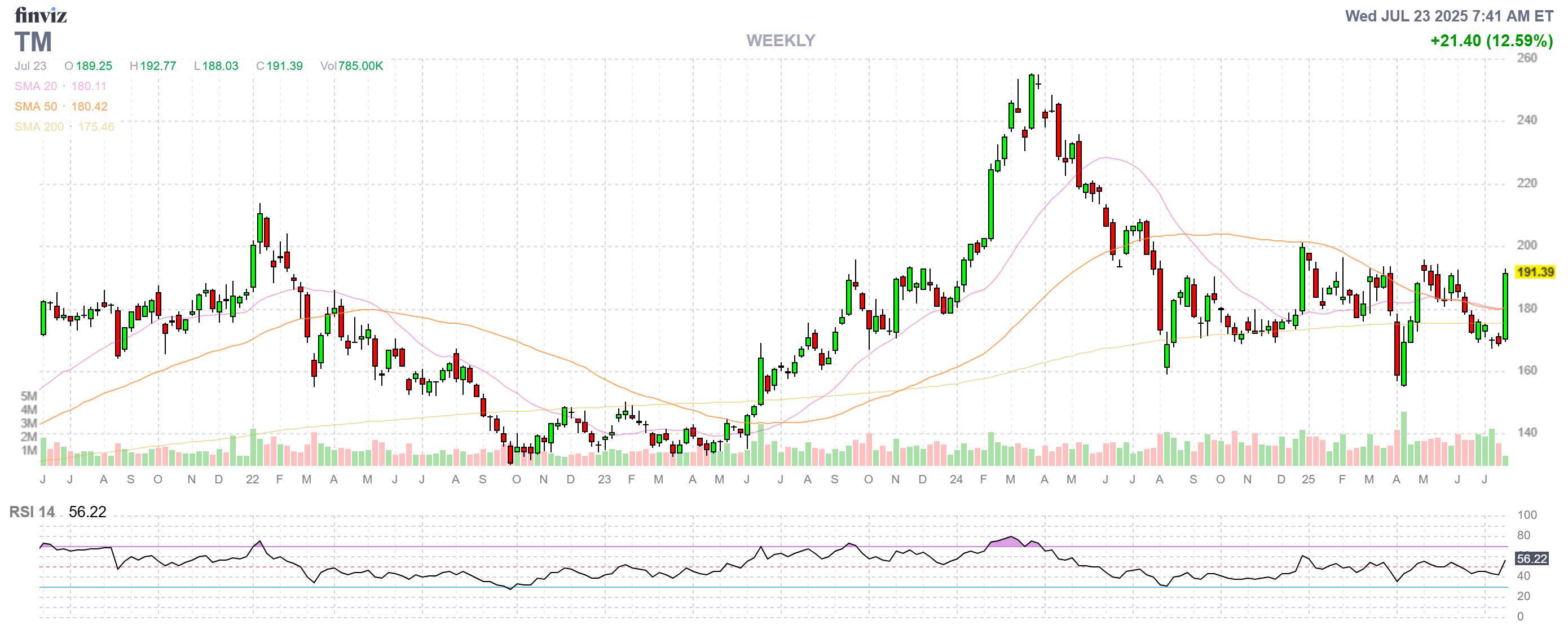
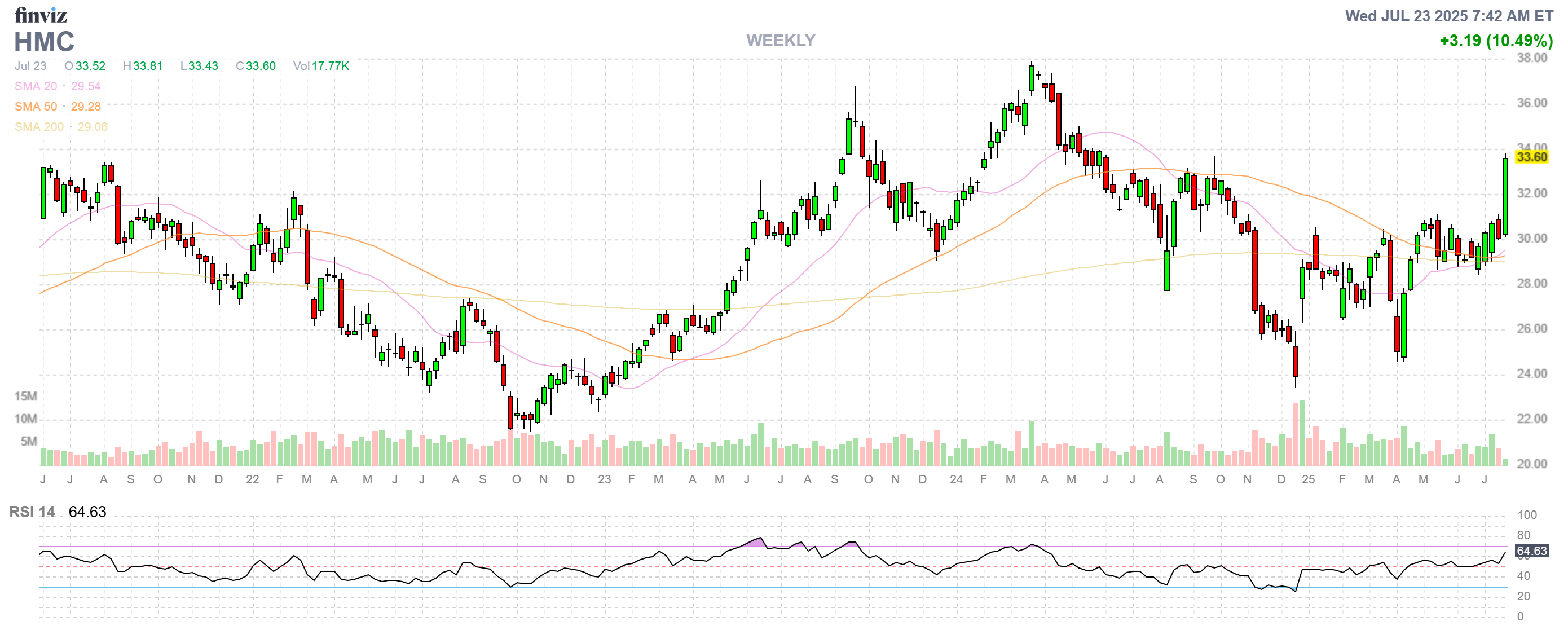
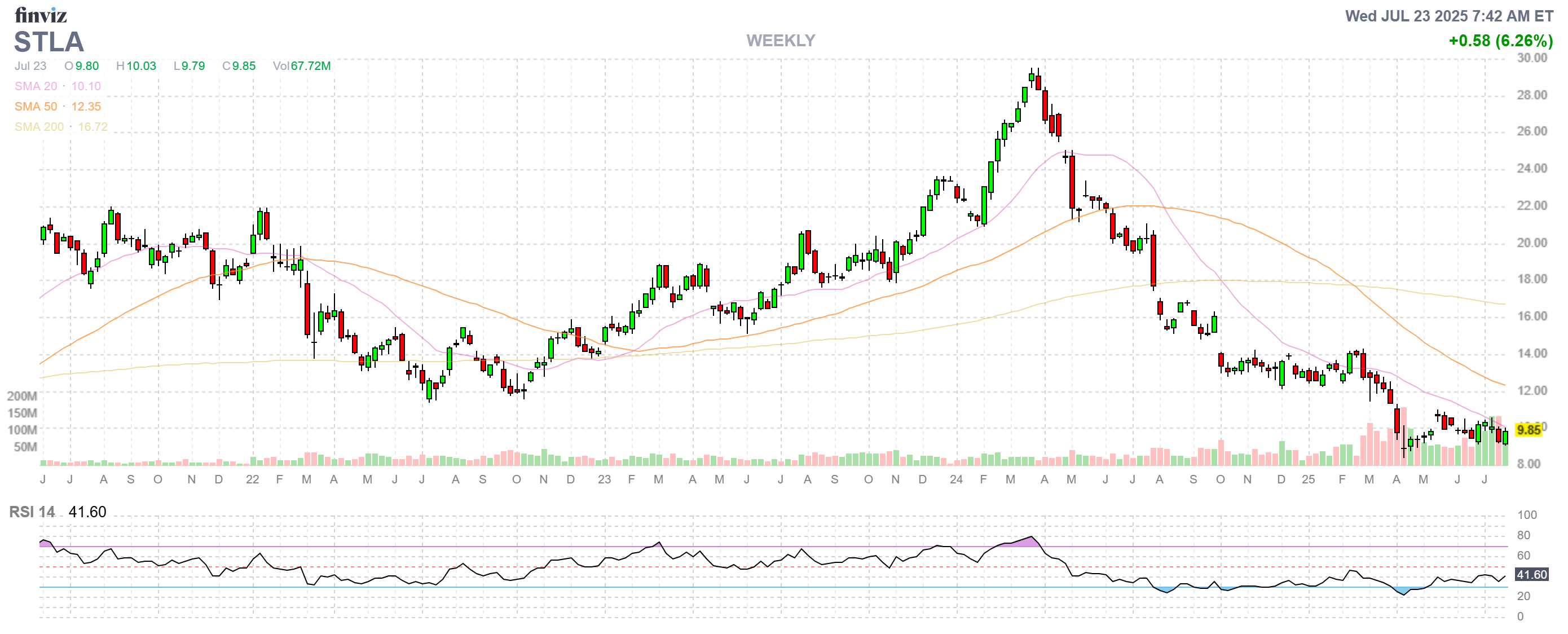
Stock Market Reaction: The Nikkei 225 surged 3.5% to a one-year high after the announcement, led by double-digit gains in major auto stocks. Relief over the lower tariff and avoidance of a trade war sparked a broad rally 5678.
-
-
For the U.S.
-
-
-
Win/Draw: U.S. manufacturers and domestic supply chains get a huge shot in the arm from the pledged $550B in Japanese investment, and American cars, rice, and agricultural goods have improved (but not unlimited) access to the lucrative Japanese market.
-
Tariff Level: The 15% tariff is well above the pre-Trump norm (which averaged 2.5–4% on most goods, and 2.5% on cars under WTO MFN rules), but is less than the maximum originally threatened 9.
-
Political Optics: The deal is being sold as a victory by both sides: the U.S. touts jobs and investment, and Japan frames it as a success in “blunting” U.S. tariff aggression 1310.
-
-

Is It “Fair”?
-
-
-
Compromise, Not Free Trade: The deal is tougher than the pre-Trump status quo, but far better than the all-out trade war averted. Economists broadly agree that a 15% tariff is manageable and far less damaging than feared but still a drag versus prior arrangements 910.
-
Investment vs. Tariff Offset: Japan’s forced investment is massive, but it buys down both tariff risk and potential U.S. protectionism.
-
-
Compared to Pre-Trump
Why Did the Nikkei Surge? Are Markets Right?
-
-
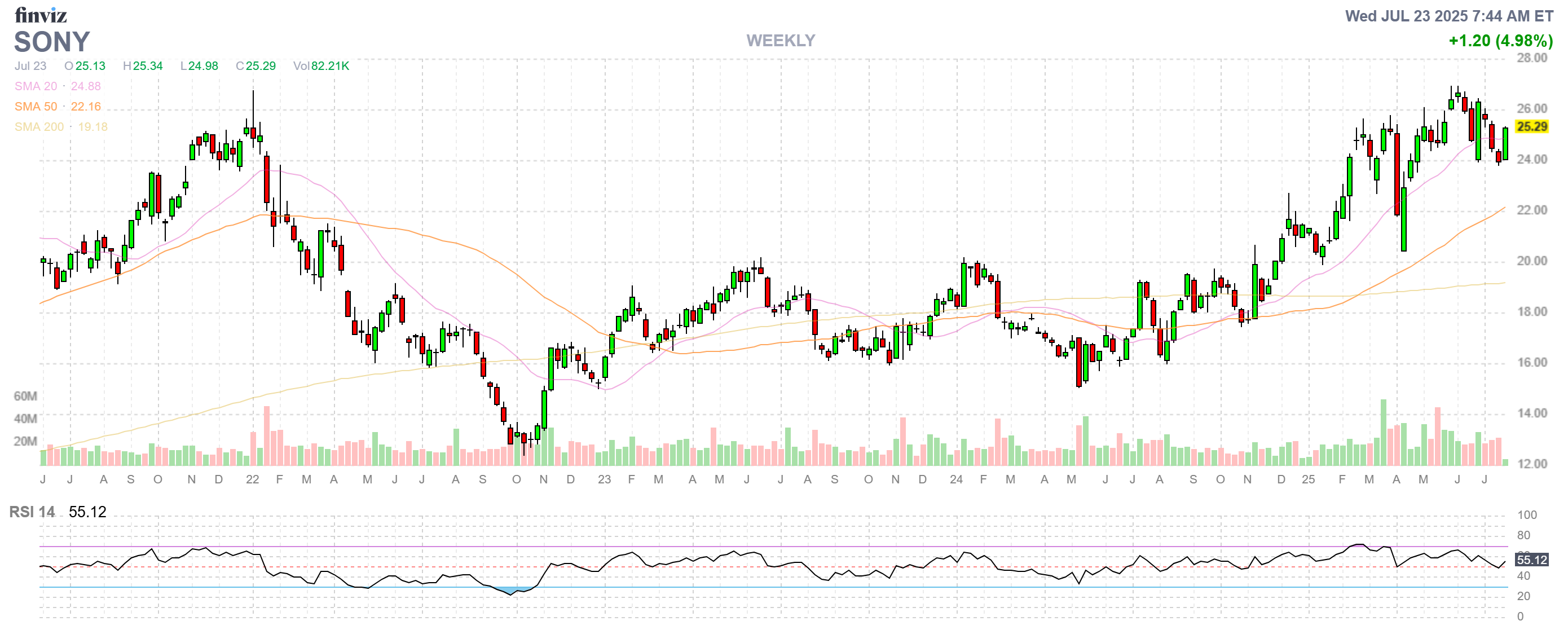
Broader Upside: Exporters from technology (Sony +4%+), industrials (Nippon Steel +2–3%), and banks all gained as the risk of severe GDP damage receded.
-
Caveat: The celebration is largely about “less bad” rather than “better than before.” Underlying cost pressures persist, and some uncertainty remains over the investment follow-through and next political risks in Tokyo 647.
-
-
Company-Wise Winners and Potential Upside
| Sector | Big Winners | Why They Benefit | Upside Potential (Post-Deal) |
|---|---|---|---|
| Automakers | Toyota, Honda, Nissan | Tariff on U.S. exports falls to 15% | High—already strong gains, but further upside possible as U.S. demand stabilizes. |
| Industrials | Nippon Steel, Daikin | Lower risk of U.S. export shut-out | Moderate—supply chain reliability improves, but not risk-free. |
| Tech/Export | Sony, Nintendo | Resilient U.S. sales, less uncertainty | Moderate—exporters to benefit from eased trade flow. |
| U.S. Firms | Deere, ADM, Caterpillar | Indirect: Improved Japanese market access, ag exports | Steady—watch for concrete market share gains. |
| Rail/Shipping | Kawasaki Kisen, Nippon Yusen | Trade volume resilience | Modest—transport firms gain from steady flows. |
Most Actionable Japanese Stocks Right Now
-
-
-
Toyota (7203.T): Remains a giant beneficiary from the lower tariff and U.S. demand resilience.
-
Honda (7267.T), Nissan (7201.T): See immediate cost relief and less risk to U.S. sales.
-
Sony (6758.T), Nintendo (7974.T): Exporters that rise when yen weakens and trade risks drop.
-
-
-
-
Nippon Steel (5401.T): Not in the deal, but sentiment rebound as overall risk fades.
-
-
U.S. Companies Poised to Benefit
-
-
-
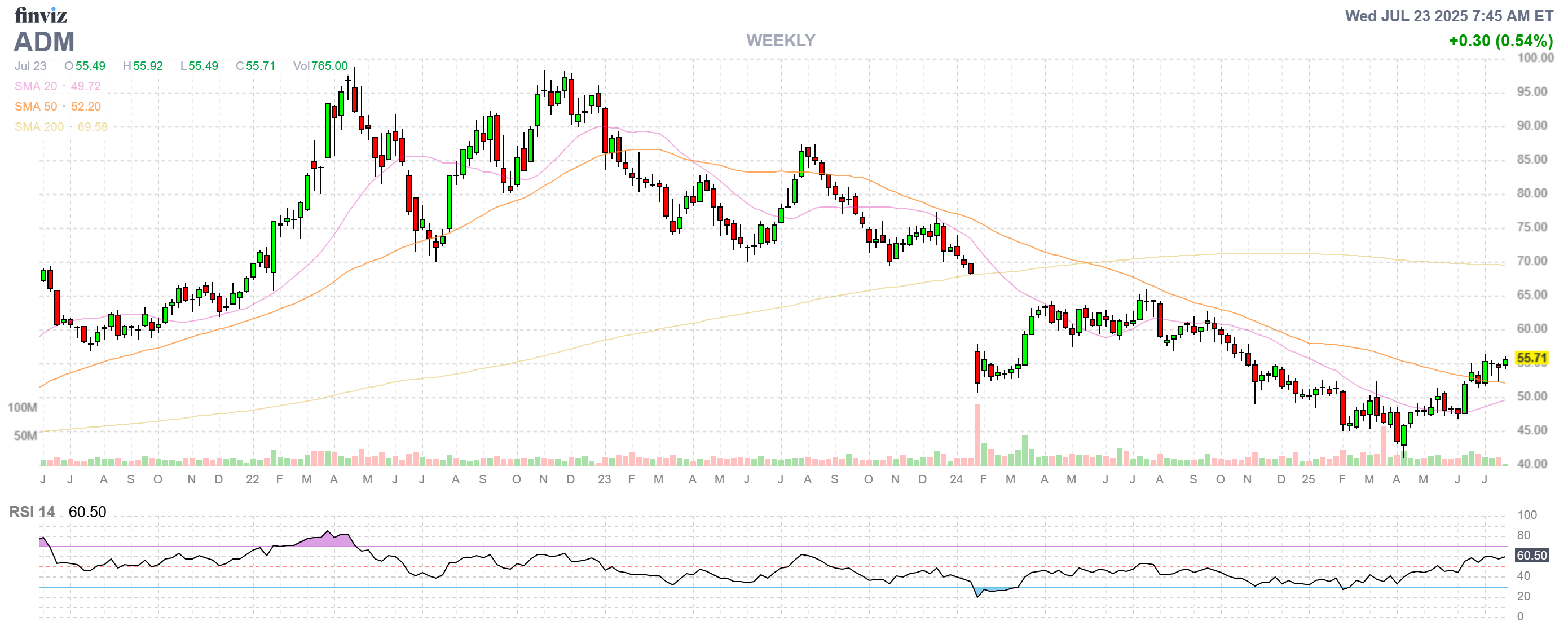
U.S. agriculture plays (Deere, Archer Daniels Midland): More access to Japan’s market, although true upside depends on negotiated quota specifics.
-
-
-
-
U.S. automakers (GM, Ford): May gain parity in the Japanese market, but no clear evidence yet of sweeping new access.
-
-
Final Take
-
-
-
The deal is better for Japan than the market feared—and also prevents significant hit to U.S. supply chains.
-
Tariffs settle above pre-Trump, well below worst case—it’s a relief rally, not a return to free trade.
-
Biggest upside: Japanese automakers and exporters, who were priced for disaster; U.S. industrial/ag firms see incremental but meaningful positives.
-
Is the market right? Yes, in the near-term: the Nikkei gains are rational given worst-case was avoided, and select stocks (especially autos) retain strong upside as profits stabilize. Stay selective and watch for post-rally entry points as volatility persists.
-
-
 The narrative that a 15% tariff is a “win” conveniently glosses over the fact that before the recent administration’s aggressive trade policies, most Japanese goods faced either zero or very low tariffs (typically 2.5% on autos under WTO MFN rules). This deal, therefore, isn’t a return to a free-trade environment that arguably benefited US consumers and businesses through lower prices and more diversified supply chains.
Instead, it normalizes a significantly higher tariff rate – a burden that will ultimately be paid by American Consumers and Businesses, NOT by Japan. The fact that the Nikkei surged after the announcement indicates that for Japan, this deal is a RELIEF RALLY, a sigh of relief that they avoided a worse outcome, not a setback. They’re still paying less than the threatened 25% and are likely to adapt to the 15% with less disruption than a full-blown trade war.
Japan’s pledge of $550Bn in US investments sounds massive, but it needs to be put into perspective. The US economy is immense, with a GDP of over $28 TRILLION. While $550 billion over an unspecified period is a significant sum, it’s not a game-changer for the entire US economy. Furthermore, this “investment” can be seen as a cost to Japan, a forced payment to mitigate the impact of US tariffs and protectionism. It’s less about Japan willingly choosing to invest in the US for purely economic reasons and more about them buying down tariff risk. For Japan, this investment is a calculated move to secure market access and prevent further economic damage to their crucial export sectors. It’s a strategic concession rather than a generous offering.
The idea that US-built cars and trucks will gain improved market access in Japan sounds promising. However, the reality of the Japanese auto market presents significant challenges for American automakers. Japanese consumers generally have a strong preference for smaller, more fuel-efficient vehicles that are better suited to their urban environments and road infrastructure. Most US cars are larger and designed for different driving conditions. And then there is the long-standing issue of right-hand drive in Japan, which requires specific production runs that US manufacturers often find economically unfeasible.
 Despite Japan having a 0% tariff rate on imported passenger vehicles for decades, American-made vehicles have historically struggled to gain significant market share. In fact, just weeks before this deal, reports indicated that U.S.-brand car sales continued to lag in Japan, with only 7.8% of imported cars sold in Japan from January to June being from U.S.-branded automakers.
This suggests that the issue isn’t primarily about tariffs but about consumer preferences, existing dealer networks, and adapting products to the Japanese market. While the deal might remove some non-tariff barriers, it doesn’t automatically create demand for American cars where it hasn’t existed before. It’s up to US companies to invest in understanding and catering to the Japanese market, which has proven very difficult for them over the years. If anything, this trade deal has removed — EXCUSES!
As to Japan’s agreement to purchase 100 Boeing (BA) aircraft, it’s important to consider Japan’s historical relationship with Boeing. Japanese airlines, particularly Japan Airlines (JAL) and All Nippon Airways (ANA) have always been long-standing and significant customers of Boeing.
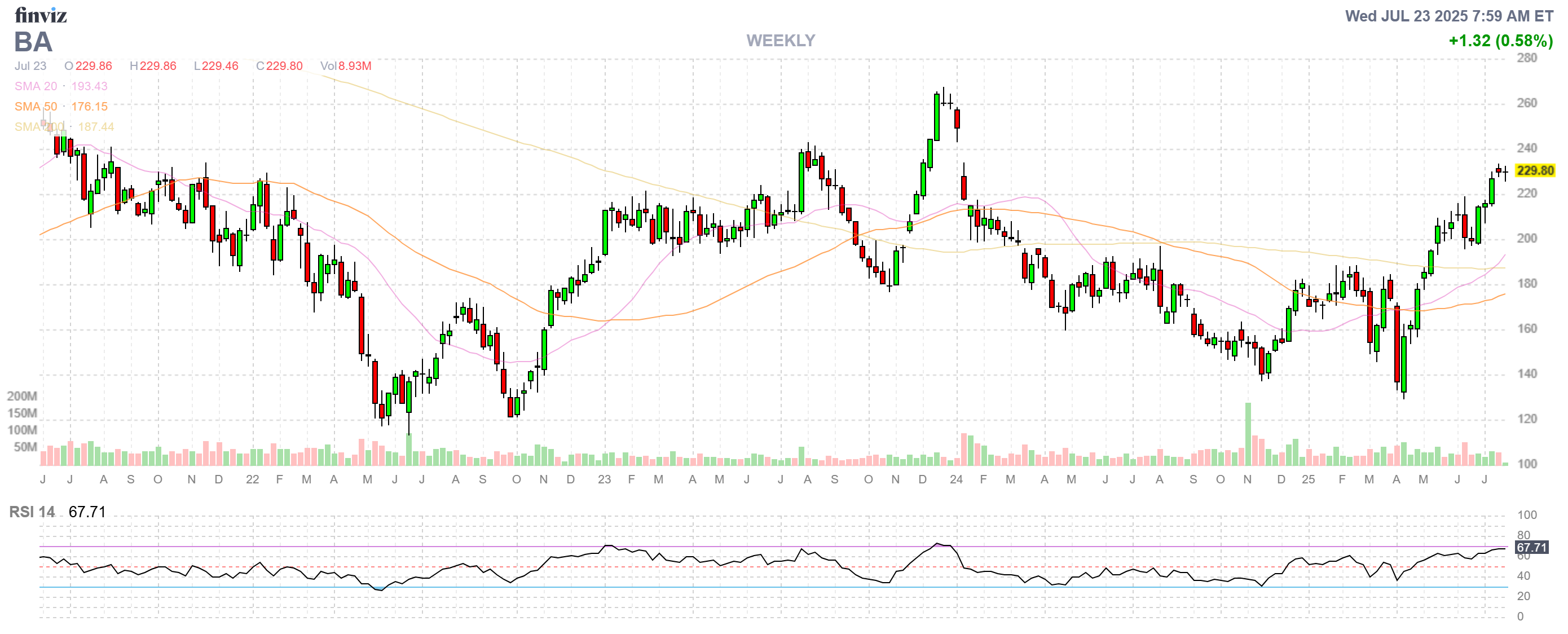
For example, JAL has operated an all-Boeing fleet in the past and continues to place large orders for Boeing aircraft as part of their fleet modernization and expansion plans, often to replace aging planes. It’s highly likely that a substantial portion of these 100 aircraft were already part of Japan’s planned fleet upgrades and expansions, making this more of a routine business transaction than a direct “win” attributable to this trade deal. It’s a convenient highlight to include in the deal’s announcement, but it’s just the usual smoke and mirrors by Trump – taking credit for something that was happening before he got “involved.”
While this deal avoids the “worst-case scenario” of crippling 25% tariffs and a full-blown trade war, it’s crucial to view it with a healthy dose of skepticism. The US has imposed tariffs that American Consumers will ultimately bear, and the “concessions” from Japan, such as the Investment Fund (which is simply Trump selling US assets to Japan) and aircraft purchases, are more about mitigating damage and business-as-usual than a true economic windfall for the US and the much-touted access for US autos still faces SIGNIFICANT market and cultural hurdles.
This deal is arguably a compromise that prevents further economic deterioration rather than a clear victory for American interests.