

Happy Halloween!
Nothing seems to frighten the markets as we are now 60% of the way through earnings and still at record highs but does the earnings math support the new highs? So far, with mostly large-caps reporting, a remarkable 87% of S&P 500 companies reporting so far have beaten EPS estimates and 83% have topped revenue expectations. Year-over-year blended S&P 500 earnings growth stands at 9.2% for Q3, with revenue up 7.0%. This marks the ninth straight quarter of earnings expansion – an impressive streak by any measure!
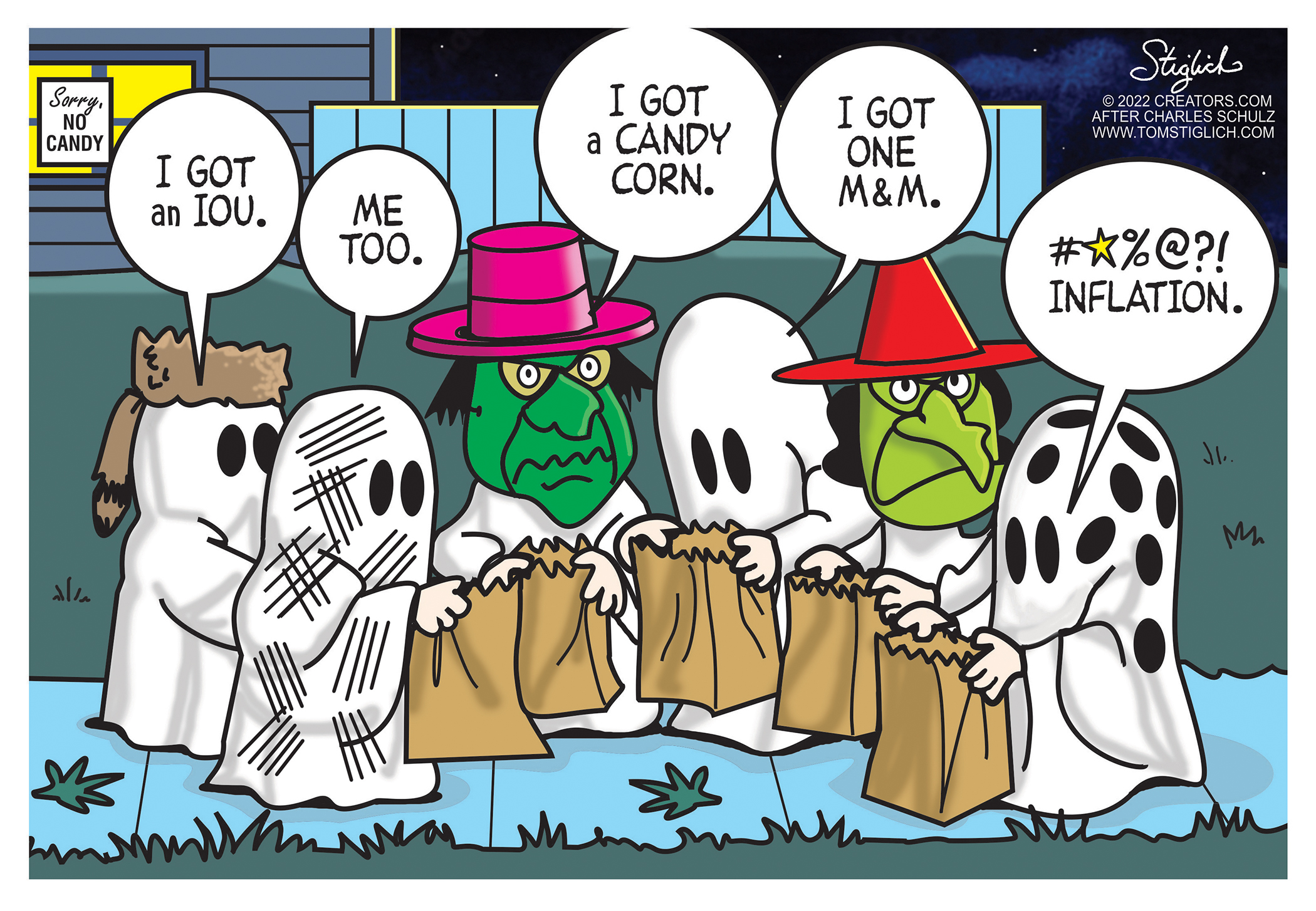 Not only that but net profit margins for S&P companies are holding at 12.8% – well above the 5-year average as all those tariff and inflation costs have been successfully passed along to the Consumers, who are sucking it up like champs, right?
In reality (what’s that these days), the “Magnificent 7” tech giants are still doing outsized heavy lifting as their results are largely responsible for the index’s acceleration, while many other sectors show more muted progress or are missing expectations entirely. A closer look beneath the surface reveals a nuanced picture, a “have and have-not” economy is increasingly evident.

IT earnings are up an insane 20.9% for the year and, keep in mind, these were companies that were already dropping around $100Bn to the bottom line each year (tens of Billions below the Mag 7 – still HUGE numbers). Again I will warn that this is the result of the great Circle-Jerk Tech Economy but no one seems to mind – much the way no one minded the mortgage-backed security market – despite Buffett’s warnings and the publication of the best-selling “The Big Short” long before the actual crash.
And let’s not forget our beloved Financials, who take the free money from the Fed and use it to fund all that fake IT spending – they went from a negative outlook to positive 7.1% as M&A activity picks up – just like in the Dot Com era – how fun! Utilities (powering AI) and Materials (building Data Centers) have also done very well this year.
 Not so much Consumer Discretionary (-2.7%), Consumer Staples (-3.2%) and even Health Care (flat?) as they each fight for that last Consumer Dollar from a shrinking pool of available capital. Who are the banks going to lend to? The Bottom 90% who are being laid off in droves this Quarter and have already maxed out their credit cards – or the Top 10% and our Corporate Masters, who are building data centers to power the AIs that will keep putting the Bottom 90% out of work and (theoretically) boost Corporate Efficiency?
While the Tech and Financial elite mint new records, the bottom 90% of Consumers and workers are being squeezed – hard! Layoff announcements have soared, with nearly 1 Million job cuts announced year-to-date, the fifth highest since 1989. In October alone, UPS shed 48,000, Amazon 14,000, and Target 1,000, with tech, retail, and logistics each citing Tariffs, Inflation, and AI for the increasing cuts.
Inflation, which had cooled, is re-accelerating: after dipping to 2.7% over the summer, CPI climbed back to 3% in September and may tick higher still, with core inflation stubborn at 3.1%. Much of the recent upside is driven by tariffs and sticky services (especially rent/housing). Wage growth is slowing, yet food, housing, and energy costs keep climbing – draining discretionary budgets and slamming Consumer-facing sectors.
Trade “progress” is surface-level at best. Despite a public ceasefire after Trump and Xi’s talks, tariffs remain deeply entrenched (average effective U.S. rate now 15%-20%), and both sides signal willingness to escalate again. Behind slogans of “rare-earth security,” new port fees, and regulatory gamesmanship – global supply chains remain fragile, and companies are wary of re-investing in cross-Pacific trade – because US policy is only as reliable as Trump’s next tweet…

Geopolitically, none of the risks that shook the markets in years past are resolved. Russia’s offensive in Ukraine is intensifying, with infrastructure and civilian casualties mounting even as Western media coverage wanes (Trump says it’s fixed so his media outlets move on). Energy supply and price shocks remain a real risk as Cold War tensions harden. Housing remains in crisis: mortgage rates remain stubbornly above 6% with inventory at secular lows and, with the median home price-to-income ratio at all-time highs, even 0% rates wouldn’t rescue affordability in many US markets.
So, what SHOULD spook investors but is still being largely ignored?
-
-
Mass layoffs accelerating after a long period of “no hire, no fire” turning into “no hire, more fire”.
-
Sticky inflation, with the Fed unable to declare full victory; services and tariffs keeping prices high.
-
Trade and tariff aftershocks that threaten future earnings as supply chains get recalibrated again and again.
-
Multiple, unresolved wars, especially in Ukraine (and the threat of spillover to Europe/NATO)—all with real commodity, market, and economic implications.
-
Housing unaffordability that is pricing out a generation and stalling mobility and consumption.
-
Rising debt and credit risk as wage growth fades, job cuts mount, and consumer delinquencies rise.
-
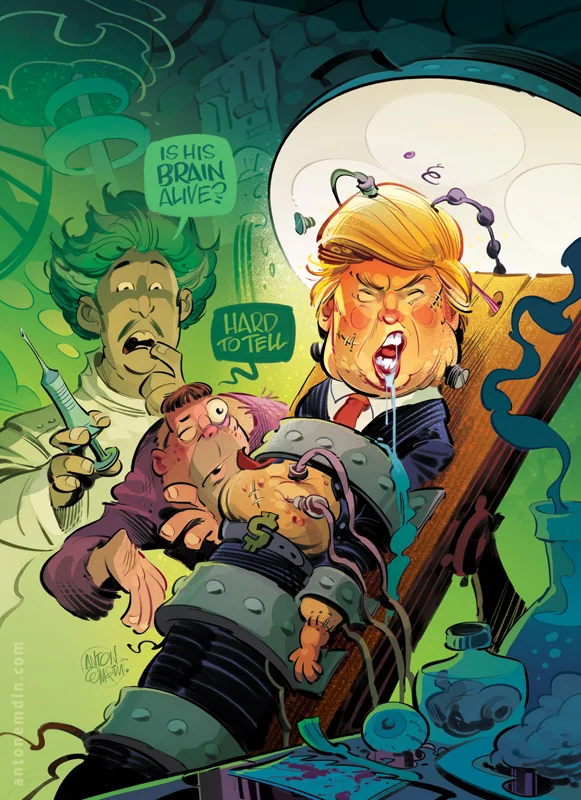 Meanwhile, U.S. health care is facing a deepening crisis that goes far beyond the temporary distortions from the shutdown. The current shutdown, now in its fifth week, is compounding long-term system stress but major strains were already present due to relentless cost inflation, service and coverage disruptions, and now accelerating job cuts and closures.
Key facts on the health care crisis:
-
-
The shutdown is disrupting insurance marketplaces, Medicaid administration, CMS claims processing, the Hospital-at-Home initiative, and federal health data reporting. Open enrollment for ACA plans (starting Nov. 1) faces massive administrative backlogs, with premium tax credits at risk of expiration.
-
Over 36 hospitals/clinic networks nationwide have closed or are at risk due to federal funding cuts and policy uncertainty, hitting rural and maternity care especially hard.
-
Uncompensated care and Medicaid payment delays are stressing hospitals’ already weak margins. Major hospitals (like Memorial Sloan Kettering) and regional medical centers have announced hundreds of layoffs to cope with funding crises.
-
The biggest ACA premium hikes in a decade are set to hit in 2026 if subsidies lapse, with states like Rhode Island and Maine projecting double-digit monthly increases for families and individuals.
-
The HHS office for Title X family planning is effectively shut down, slashing access to preventive and reproductive care across dozens of states.
-
Public health functions, including the CDC’s surveillance and outbreak tracking, are being crippled by furloughs and staff cuts, just as new flu/COVID strains emerge.
-
Despite isolated headlines of innovation and strong results from giant names like UnitedHealth, J&J, or HCA, the sector as a whole is treading water. Health care, after outperforming during the early 2020s, is now flat to negative year-to-date for most diversified indices (S&P Health Care sector is flat, some components -5% or worse). Results increasingly bifurcate: tech-driven platforms or specialty pharma continue to do well, while providers, hospitals, and service businesses struggle under cost and policy uncertainty.
This crisis isn’t just about temporary shutdown pain. Funding cuts, service gaps, and labor shortages are being “baked in” to 2026–27 budgets at state/federal/insurance levels. Care gaps risk becoming permanent, especially for vulnerable and rural populations. The U.S. now faces the real nightmare possibility that core medical access and insurance coverage will contract through the back half of the decade. A structural, not a cyclical, crisis.
The shutdown exacerbates, but did not create, America’s health care problem. Federal dysfunction, ceaseless cost pressure, profit margin stress at ground level, and eroding access are all converging. In a market that only rewards “Mag 7 medicine” and specialty winners, the average provider is getting squeezed like never before. Investors should not underestimate the risk of future earnings misses, policy ruptures, or even further hospital failures – nor should they ignore the brewing social and public health consequences that could boomerang back into politics, spending, and long-term economic growth.
Under the “frightless” surface, 2025’s market is a case study in bifurcation: AI, Big Tech, and financials thrive, while much of the real economy strains under cost, debt, and policy pressure. Investors may not be frightened today, but vigilance and selectivity are more essential than ever. Pullbacks and rotation can materialize suddenly if just one of these shadows gets real. Don’t be lulled: watch breadth, unemployment, inflation, geopolitical headlines, and, above all, the real consumer economy for the first signs that this “risk-off” Halloween is no treat but a preview of possible tricks (and shocks) to come.

Have a great weekend,
-
- Phil