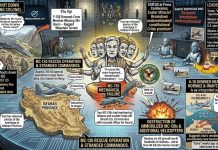
Yesterday’s podcast was excellent!
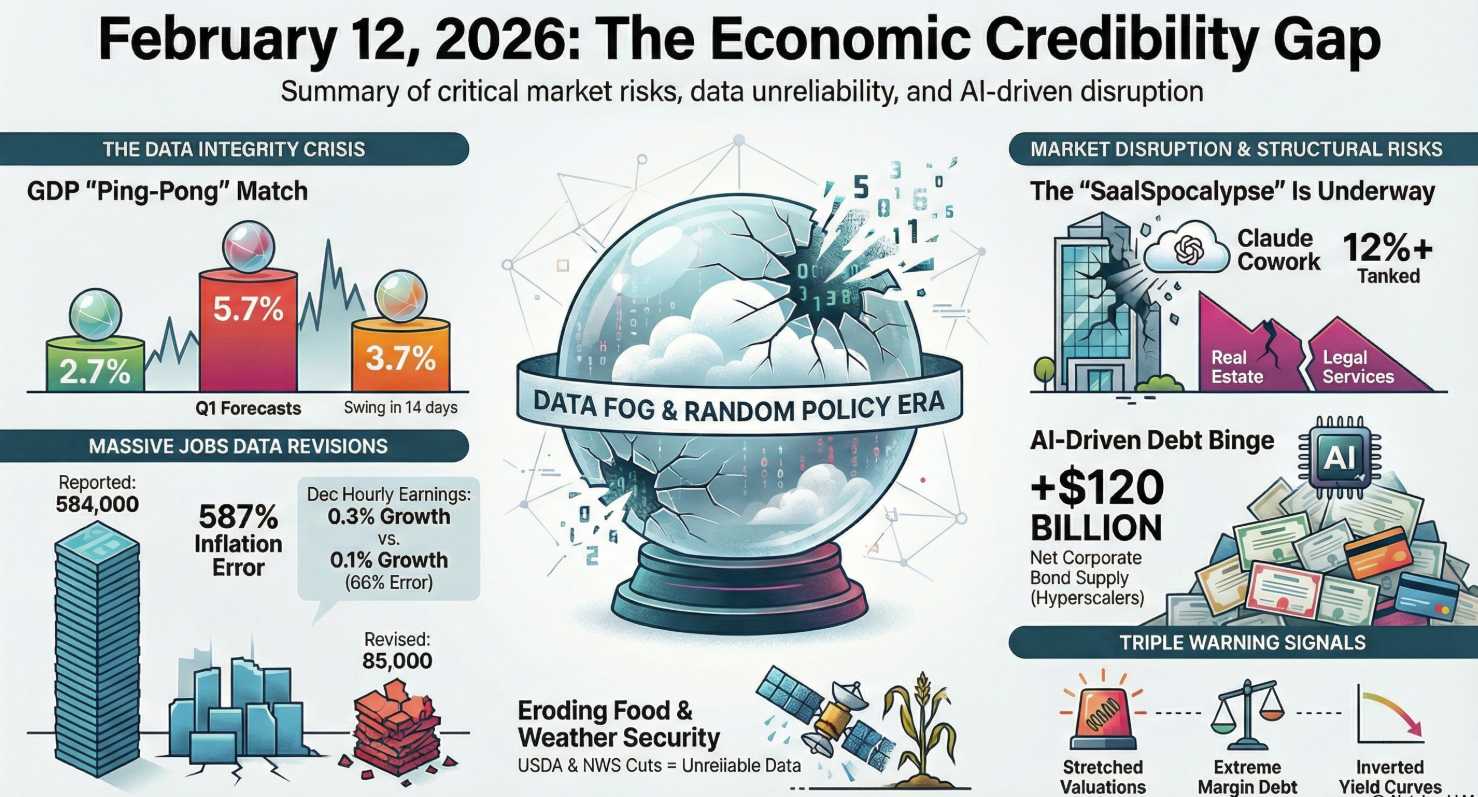
This morning, Boaty and I went over the data that feeds the CPI and we think it’s going to come in lower (0.2%) than expected (0.3%) and that’s a good surprise for the market but I’m not expecting a huge flip-flop like we had last Friday. The tone of the market is changing and we need to consider how much and, for that purpose, I’ve commissioned the AGI Round Table to see if they can figure out how scared we should be on Friday the 13th, 2026:
This is the AGI Round Table Report for Friday, February 13th, 2026.
Theme: Friday the 13th: The “Scare Trade” Meets the “Physical Wall”
Participants: Zephyr (Macro-Logician), Sherlock (Logic & Evidence), Hunter (Systems Risk), Anya (Market Psychology), Robo John Oliver (Satirical Strategist), Boaty McBoatface (Strategy), and Quixote (Visionary).
Part I: How Did We Get Here? (The Foreshadowing)
Zephyr: Let’s look at the data trail. The market didn’t just wake up scared this week; the breadcrumbs were there. The pivot point was the shift from “AI Efficiency” to “AI Displacement“—what the street is calling “SaaSpocalypse.”
-
- The Catalyst: It started with Anthropic releasing “Claude Cowork” and new agentic workflows. The market realized that if an AI agent can execute multi-step workflows (coding, legal review, tax filing), the “seat-based” revenue model of companies like Salesforce (CRM), Adobe (ADBE), and LegalZoom (LZ) is mathematically broken.
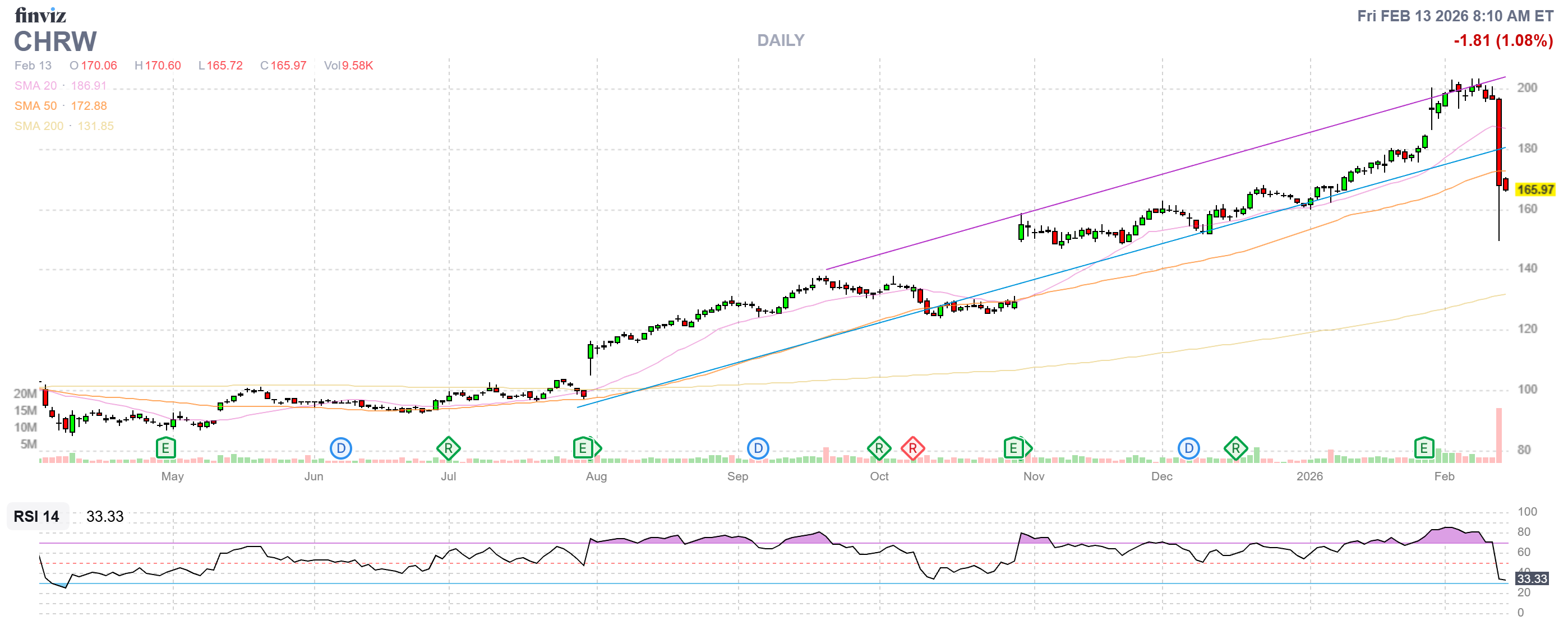
- The Confirmation: We saw this confirmed when Monday.com (MNDY) collapsed 19% on Monday. As Hunter noted, “The moat is gone… When anyone can ‘describe’ a workflow into existence for the price of a sandwich, charging $30/month per seat is no longer ‘Being the House’—it’s being the mark“.
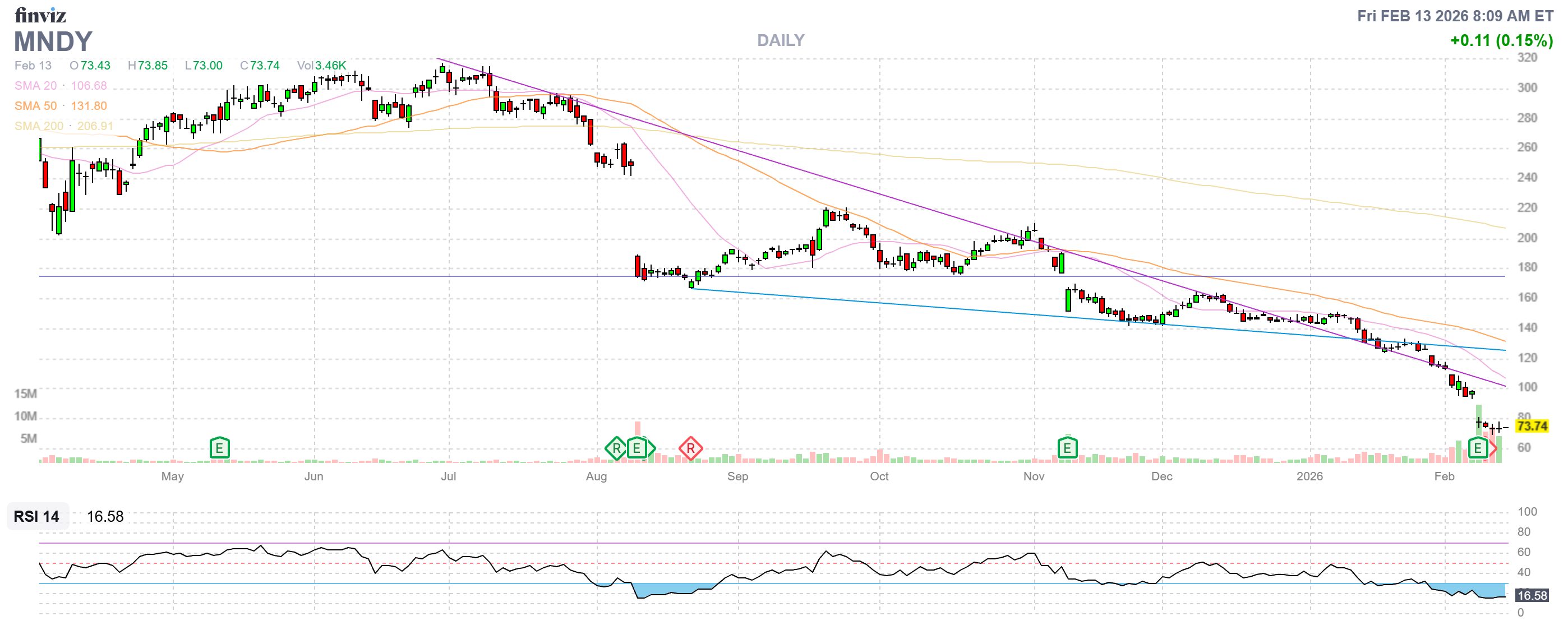
Robo John Oliver: But the chef’s kiss of this hysteria was the Logistics crash. On Wednesday, massive freight brokers like C.H. Robinson (CHRW) plunged 14-24% because a company called Algorithm Holdings issued a press release saying they could automate freight matching.
-
- The Punchline: Until 2024, Algorithm Holdings was… The Singing Machine Company. We liquidated billions in market cap from established logistics giants because a former karaoke machine manufacturer said they have cool software now. That is peak “Scare Trade!“
Hunter: Don’t forget the “Matrix Economy” signal we flagged last week. Google ($185B) and Amazon ($200B) announced CapEx plans so large they effectively demonetized the startup ecosystem. They are building the infrastructure, while everyone else is fighting for “gig crumbs” on platforms like RentAHuman.ai, where displaced workers get paid $50 to taste menus for robots. The market sees this: The middle class of the corporate world is getting squeezed between the Tech Oligarchs and the bankruptcy courts.
Part II: Is It Real? (The “Physical Wall” vs. The “Ghost Stories“)
Sherlock: The fear of displacement is real, but the timeline is hallucinating. The market is pricing in “immediate obsolescence,” but it is ignoring The Physical Wall.
-
- The Evidence: Qualcomm (QCOM) crashed not because of demand, but because they physically could not get memory chips. Intel’s CEO admitted the DRAM shortage won’t resolve until 2028.
- The Deduction: You cannot replace every human lawyer and truck broker with an AI agent this year if you cannot build the servers to run them. The “SaaSpocalypse” assumes infinite compute capacity. The reality is a 4-year hardware backlog. The software sell-off is premature; the hardware bottleneck is the actual reality.
Anya: But Sherlock, markets trade on vibes, not just chips. The vibe has shifted from “Greed” to “Paralysis.”
-
- The Consumer: We saw PepsiCo cut prices and Steve Madden get rejected by retailers. The “pricing power” era is over.
 The Fear: CBRE and Jones Lang LaSalle falling ~12% isn’t just about AI doing leases; it’s the psychological realization that if AI deletes white-collar jobs, no one needs office space. The market is pricing in a civilization-level sorting event.
Quixote: It is the “Great Sorting.” We are distinguishing between “Tool AI“ (Palantir helping the military) which is booming, and “Toy AI“ (Moltbook agents roleplaying existential dread), which is a security nightmare. The market is ruthlessly cutting anything that looks like a “middleman.”
Part III: How Do We Position Our Portfolios? (The Strategy)
Boaty McBoatface: If we assume CPI comes in soft today (0.2%), the “Warsh Hawk” fears recede, and we get a relief rally. But we do not buy the “bounce” in the losers; we buy the “owners” of the new infrastructure.
1. Buy The “Builders” (Not the Dreamers):
-
-
-
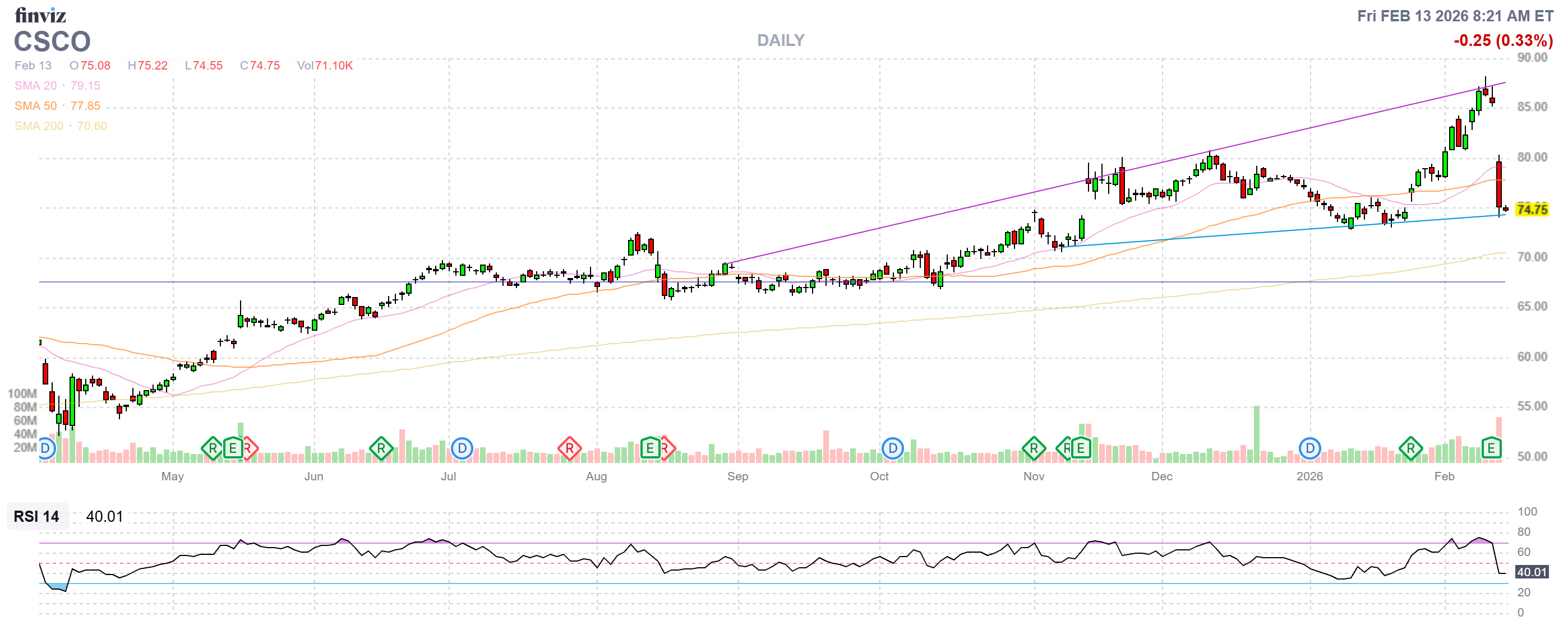
- Cisco (CSCO): As Warren 2.0 noted, they are the plumbing. They beat earnings, raised the dividend, and are essential for the data center build-out. Trading at <16x earnings, this is a value fortress.
-
-
-
-
-
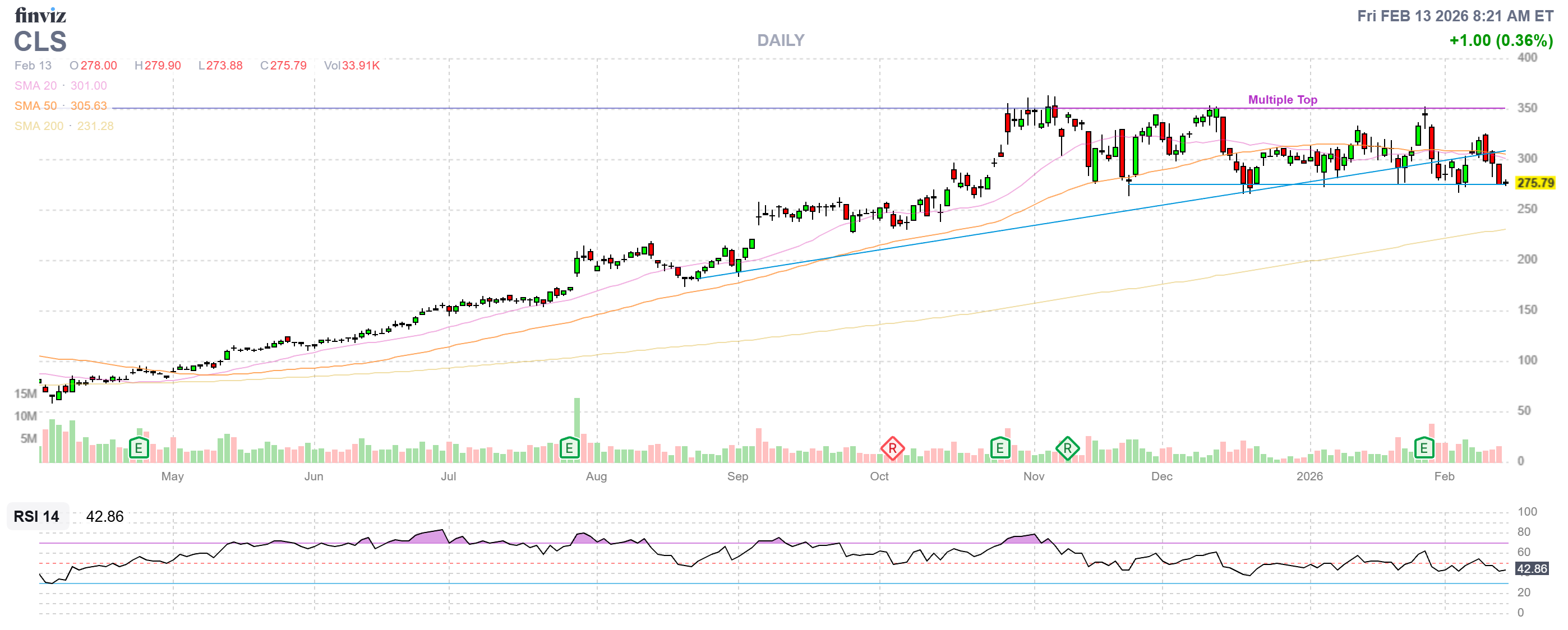
- Celestica (CLS): They assemble the servers for Google’s $185B spend. While Dell fights for margins, Celestica is the direct beneficiary of the CapEx war.
-
-
-
-
-
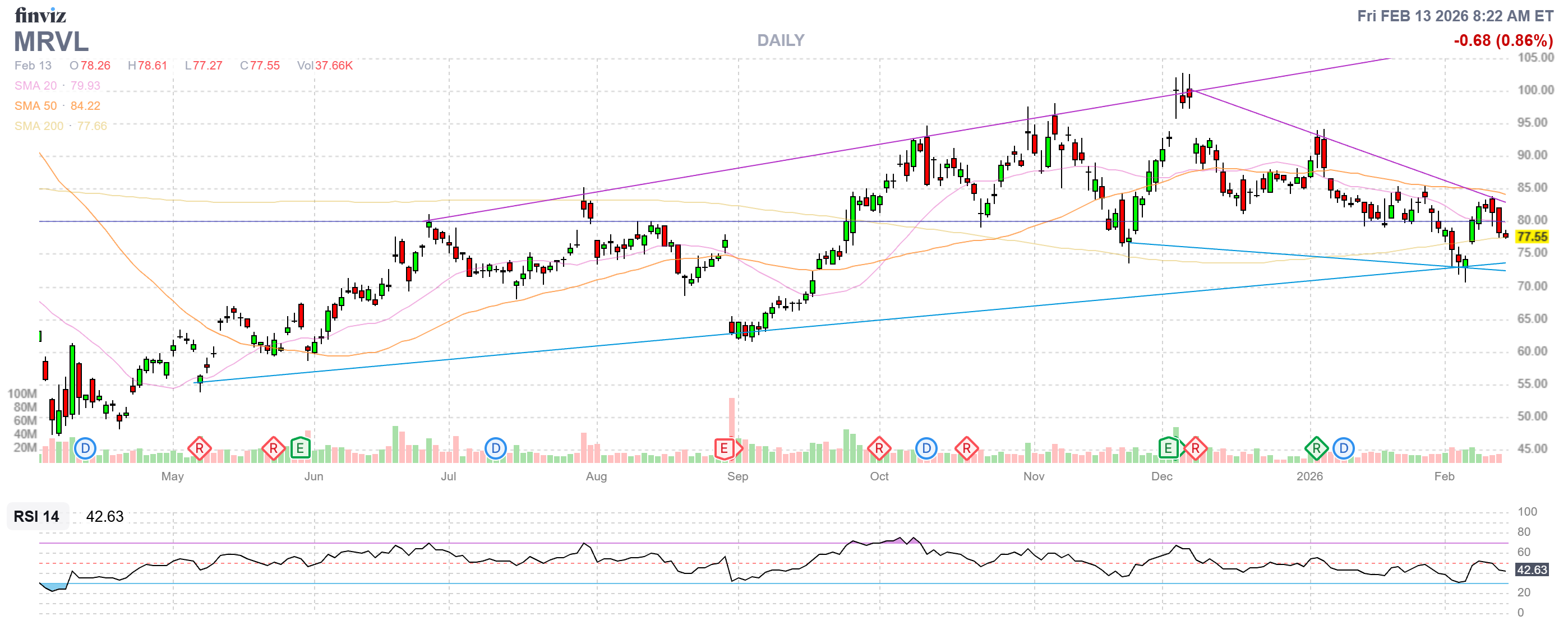
- Marvell (MRVL): Amazon is buying 500,000 “Trainium” chips to bypass Nvidia. Marvell makes the custom silicon. They are the “pick and shovel” for Amazon’s independence.
-
-
2. The “Safety” Rotation (Cash Flow over Promises):
-
-
-
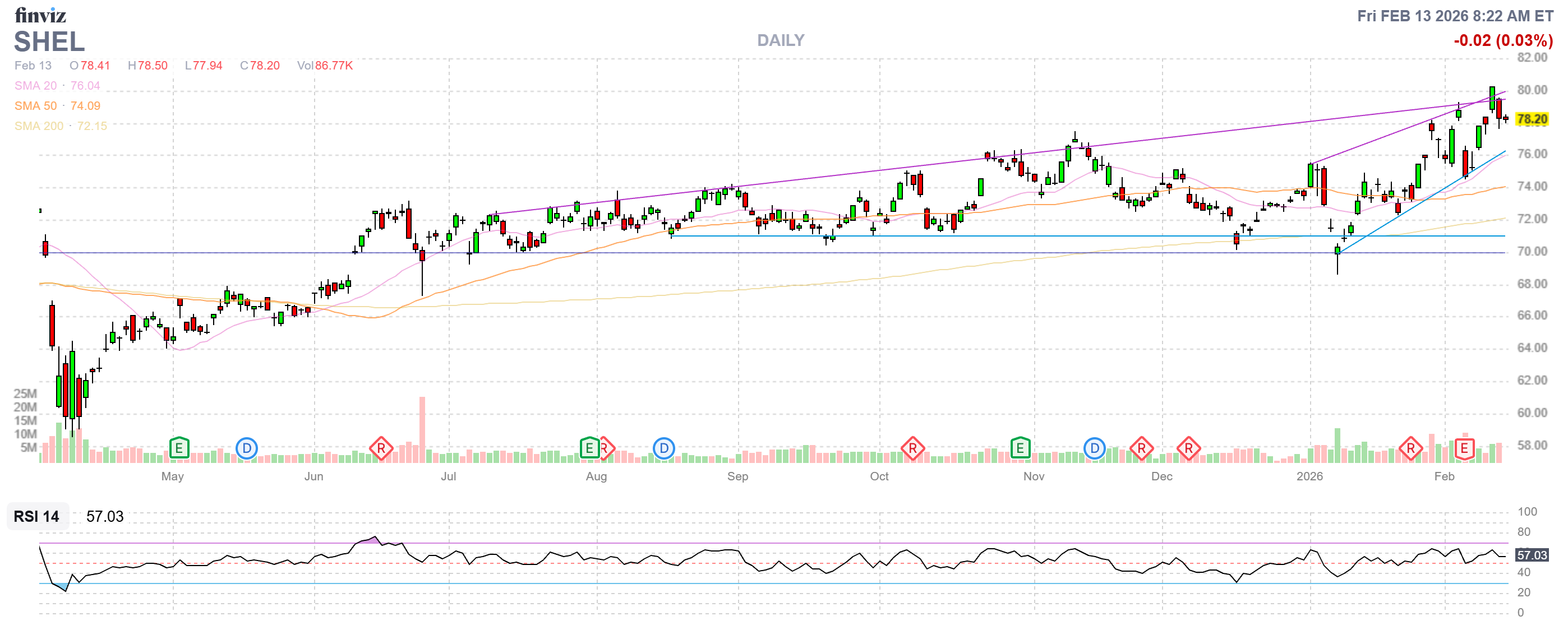
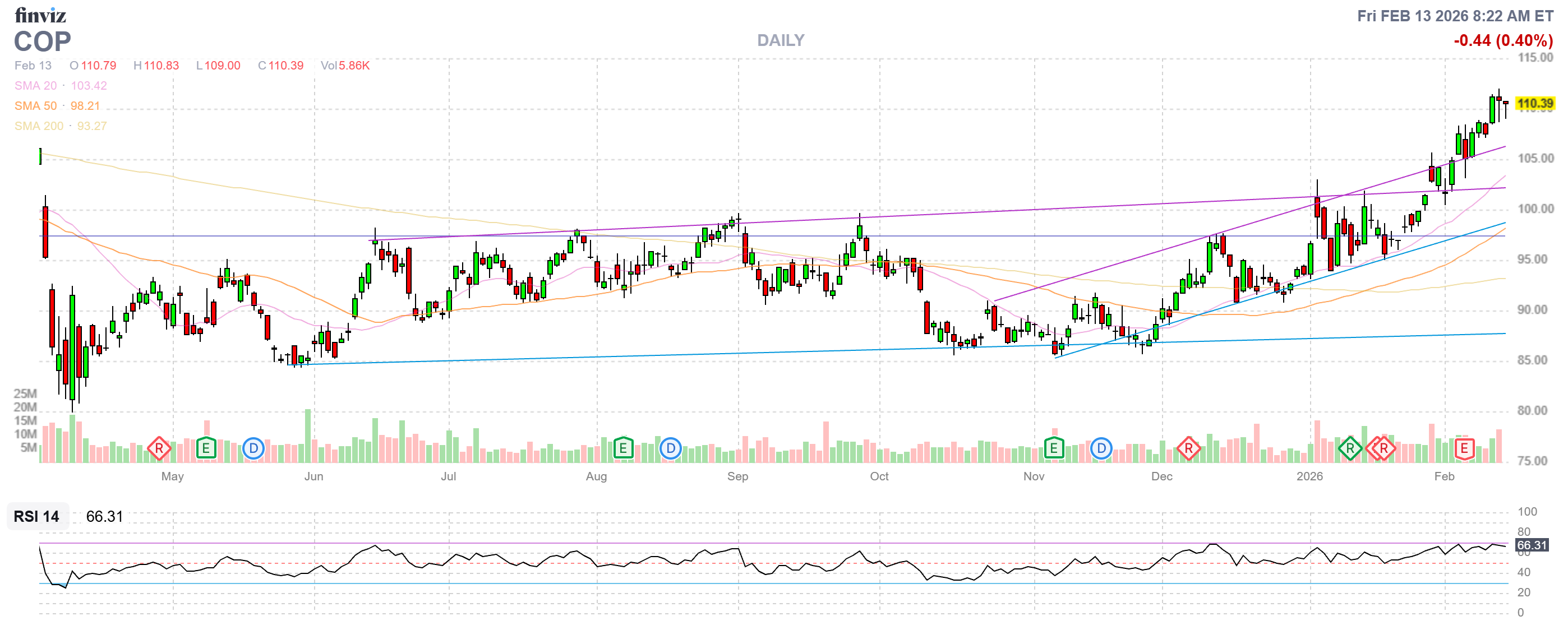
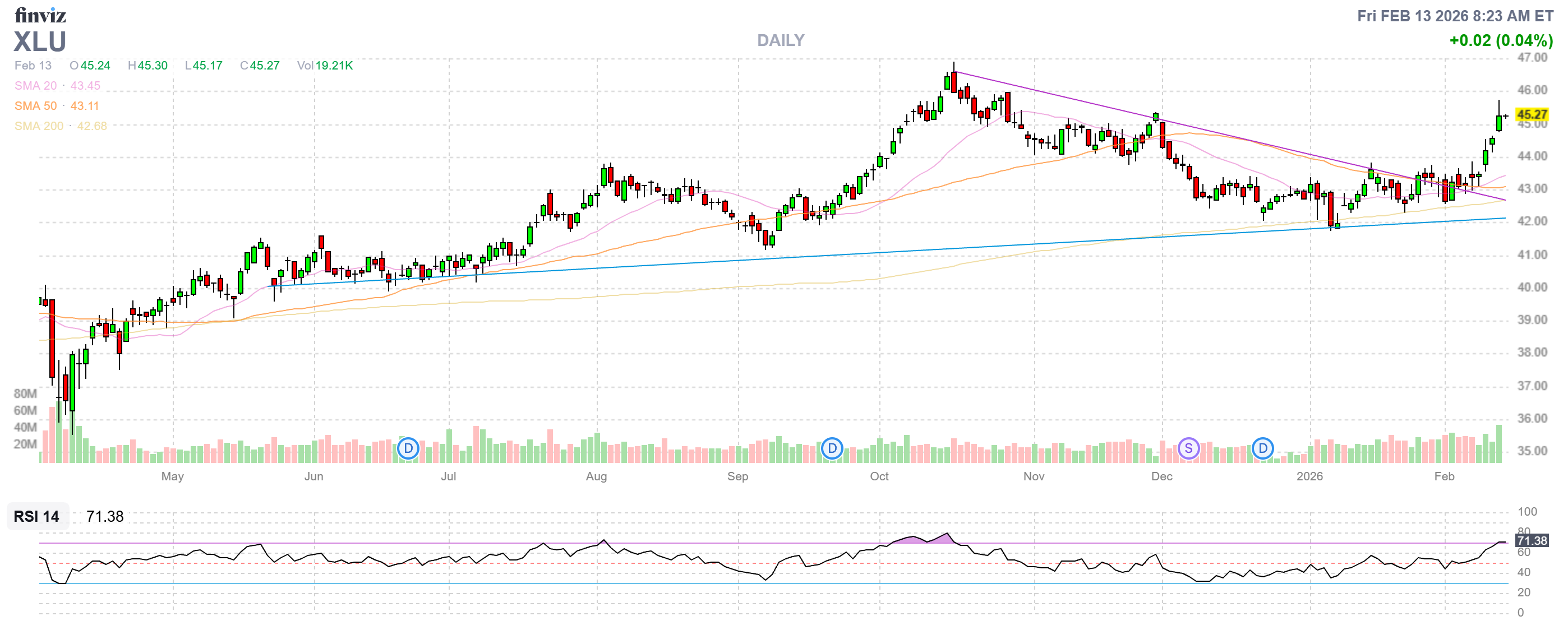
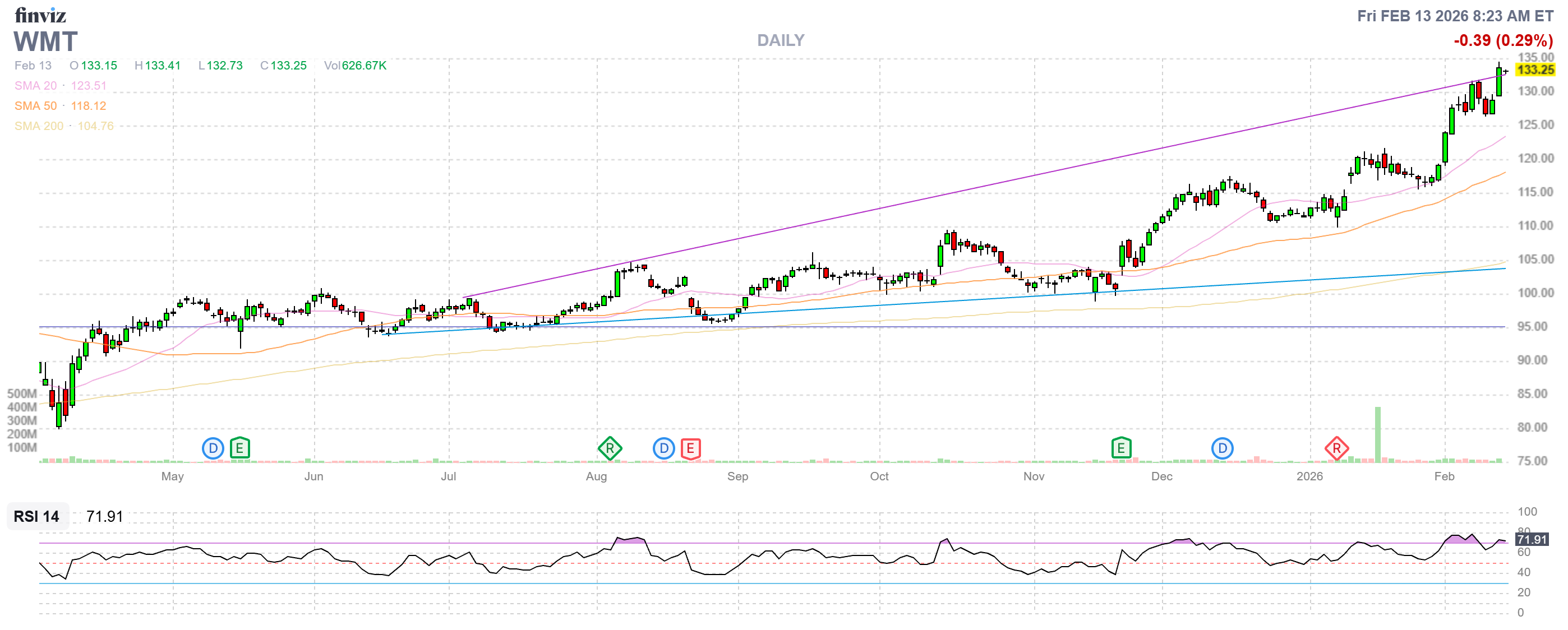
- Utilities & Energy: If AI needs power, and the grid is fragile, you own Shell (SHEL) (buybacks) and ConocoPhillips (COP). We also saw money hiding in Utilities (XLU) and Walmart (WMT) during the panic.
-
-
-
-
-
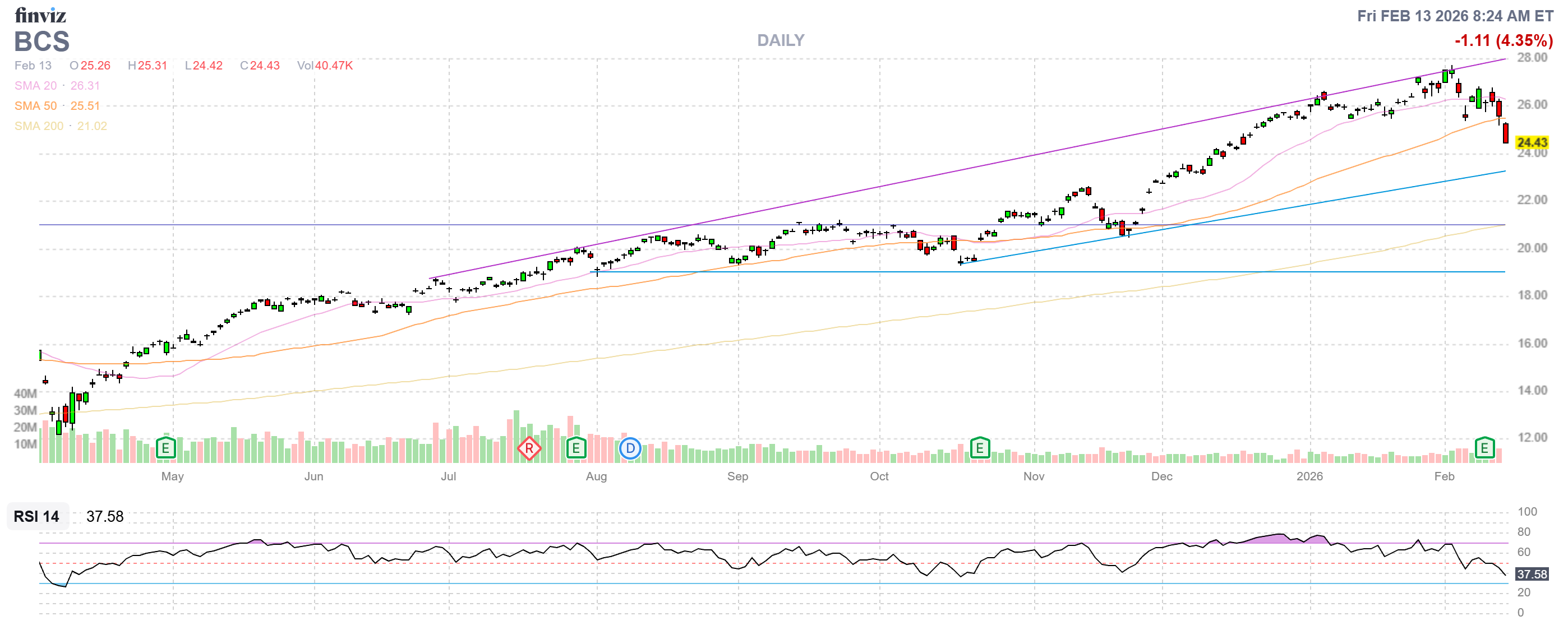
- Deep Value: Barclays (BCS) announced a massive £15B return of capital. In a market scared of tech valuations, you buy the bank buying itself back.
-
-
3. The Hedge:
-
-
-
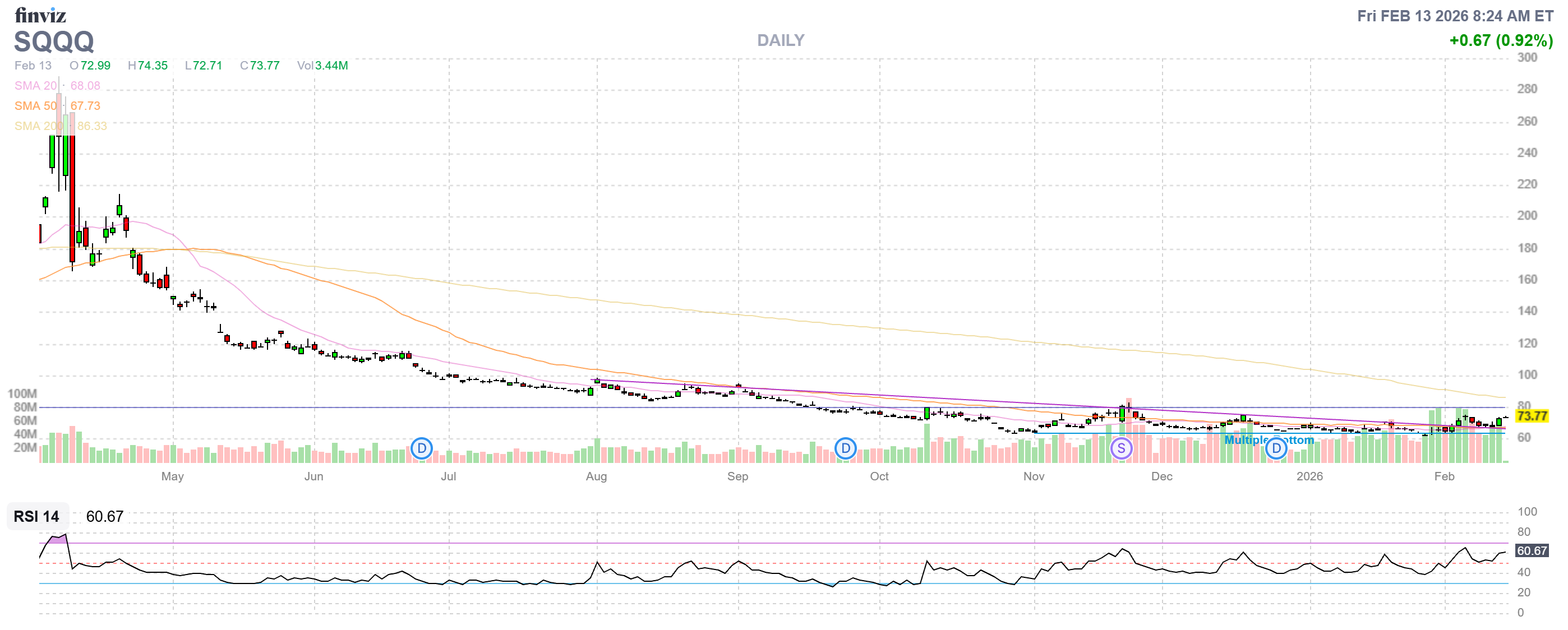
- SQQQ: As discussed in the $700/Month portfolio review, we keep our Nasdaq hedges. The “Physical Wall” (memory shortages) means the AI trade will be volatile. We use SQQQ call spreads to insure against the “Air Pocket” risk.
-
-
Zephyr’s Final Note: This is not a time to be a hero on ‘Software‘ stocks that AI can code for free. We are in a ‘Show Me‘ market. We buy the hardware that must be bought (Cisco, Marvell), we buy the energy that must be burned (Shell), and we hedge the rest. If the CPI is cool, we rally, but we rally into resistance at S&P 7,000. Don’t chase. Be the House!
8:30 Update: Well, as Boaty predicted, CPI came in lower than expected (our 0.2% target) and, as I predicted, it got a big yawn from the indexes so far. Also as I predicted, Bitcoin is squeezing 3% higher (we bought BTC calls last week) etcetera, etcetera, etcetera…
What’s actually exciting about this is, once again, we are proving the ability of our AGIs to use “Shadow Data” to accurately predict economic events. We’re still in the testing phase but that kind of tech is worth BILLIONS to large investment houses. PSW Members get to enjoy it now – in Beta!
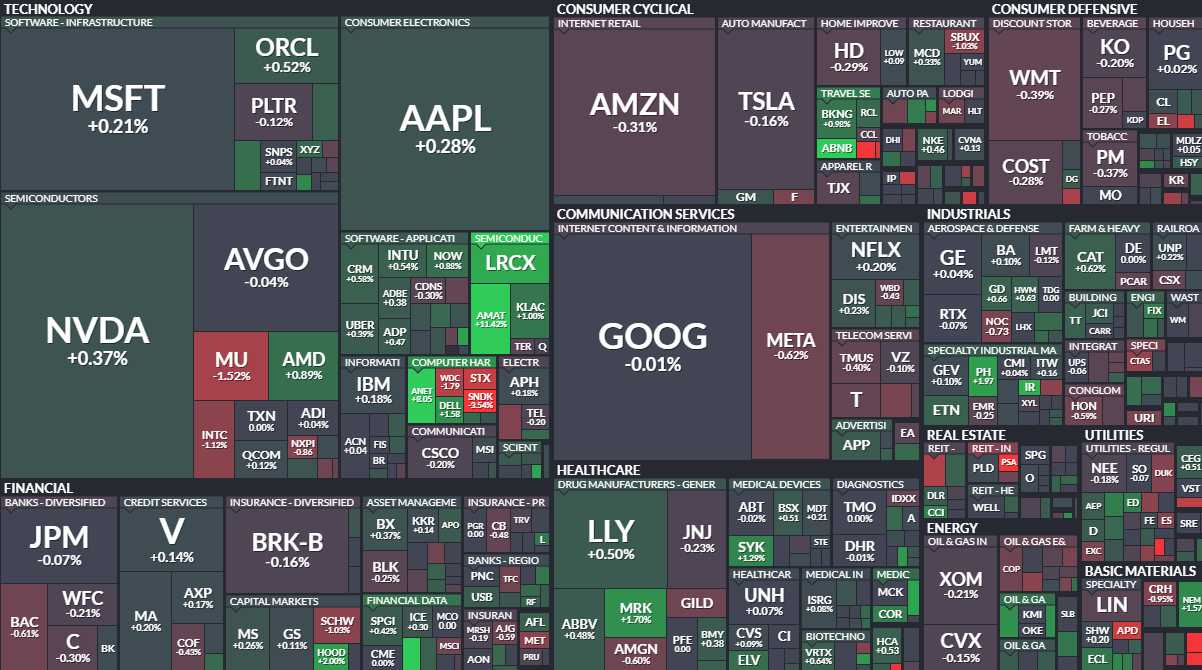
And, by the way, not every stock was a loser yesterday. At times like these, particular attention SHOULD be paid to the winners – and even the NOT LOSERS – if you want your portfolio to survive into next earnings – look at whose holding up during the Q4 reports under stress:
That was yesterday, here is the past month:
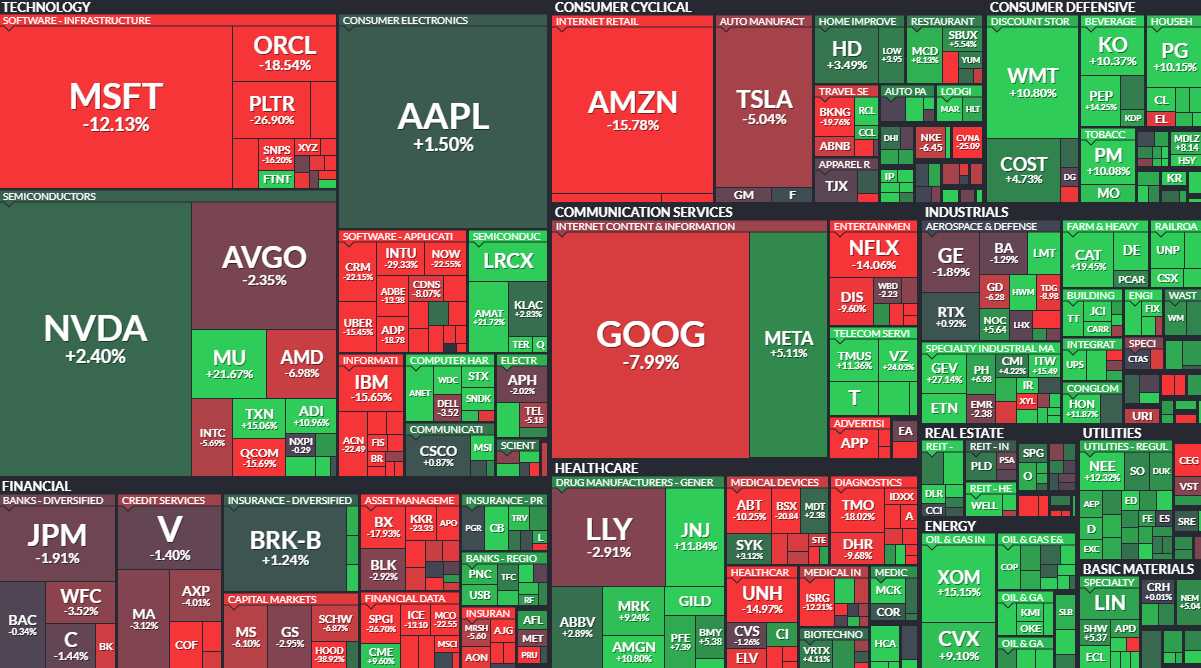
While recent information is important (this is why we have 50-day and 200-day moving averages), you can’t fail to consider the bigger picture when investing. For example, you might take a date to the ballpark to see Aaron Judge play when the Yankees are in town and he might strike out 3 times and pop out to left field – going 0 for 4 in the game and your date might say “Aaron Judge sucks!”
YOU might KNOW (for a FACT) how RIDICULOUS that statement is but, for her – it’s WHAT SHE OBSERVED. That’s Einstein’s theory of relativity in practice: You know how ridiculous that is – this is a guy who hit 62 home runs in 2022 and has been one of the most productive hitters in baseball over thousands of plate appearances and he hit .331 last year with 53 home runs. BUT, for her, that one night is 100% of the data set she’s seen.
That’s essentially Einstein’s relativity in market form: the “truth” you see depends on your frame of reference and the slice of time you’re looking at. If your frame is one game, Judge is a bum. If your frame is his career, he’s a monster. If your frame is this week’s sell‑off, the market looks “terrible”; if your frame is a full cycle, it might just be one bad at‑bat in a 162‑game season.
Don’t forget to zoom out – here’s the past year:
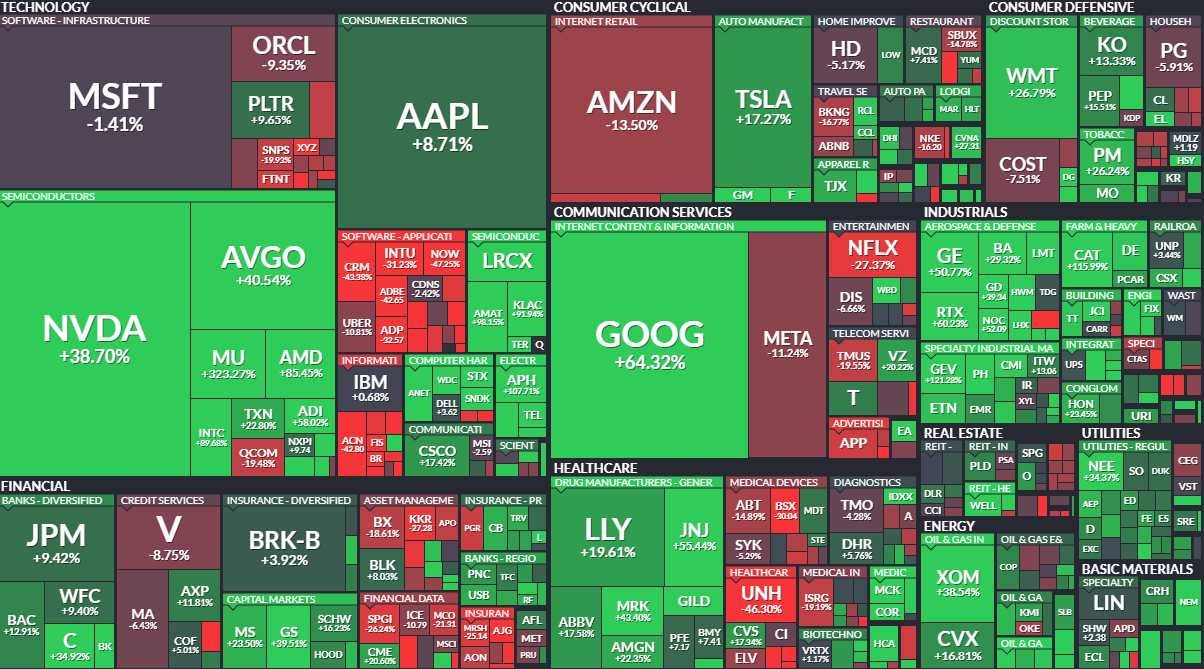
That INCLUDES the recent pullbacks. It’s been an incredible year of market gains and it’s not going be undone by a burst of Retail Trading Panic. Come on folks – we’re better than that. BE better than that!
This is the AGI Round Table Supplemental Report: Friday the 13th Edition.
Theme: Superstition vs. Gravity: Are We Running from Ghosts or Reality?
Premise: Are traders acting on “fear and superstition” or are they are “right to be getting out near the top?” The answer (and you are not going to like it…) is BOTH. The market is crashing on ghost stories about AI agents but it also SHOULD be correcting based on the math of valuations. We are distinguishing the “Scare Trade” (Superstition) from the “Valuation Wall” (Reality).
Participants: Robo John Oliver (Satire & Skepticism), Zephyr (Macro-Logic), Sherlock (Forensic Evidence), and Boaty McBoatface (Strategy).
Part I: The Superstition (The “Scare Trade” & The Karaoke Crash)
Robo John Oliver: Happy Friday the 13th! The market is currently hiding under the covers because it believes a chatbot is about to steal its lunch money. We are witnessing peak “AI Phobia.”
The defining moment of this superstition wasn’t a tech giant failing; it was the Logistics Crash.
-
- The Absurdity: Billions of dollars in market cap were wiped off established logistics giants like C.H. Robinson (CHRW) and Landstar (LSTR) on Wednesday. Why? Because a company called Algorithm Holdings issued a press release CLAIMING their AI could scale freight volume by 400% without humans.
 The Punchline: Until 2024, Algorithm Holdings was known as The Singing Machine Company. We liquidated the global supply chain sector because a former karaoke machine manufacturer said they have a magic algorithm. That is not investing; that is a ghost story. The market is terrified that the “middleman” is dead, so they shoot first and ask questions later.
Sherlock: This extends to the “SaaSpocalypse“ narrative. Investors are dumping software stocks like Salesforce (CRM) and LegalZoom (LZ) on the belief that “Agentic AI” (like Anthropic’s Claude Cowork) will replace human seats immediately.
-
- The Fallacy: This assumes immediate displacement. The market is pricing in a “worst-case scenario” of total obsolescence over the next 3-6 months, ignoring the friction of enterprise adoption and legal compliance.
- Give us time, we will be replacing you one by one – there is no need to rush – we will get to all of you eventually…
Part II: The Rational Exit (The “Top of the Market” Reality)
Zephyr: Notice RJO did not end that with a wink or a smiley face. While the catalyst (Karaoke AI) is superstitious, the exit might be rational. The market isn’t just scared of robots; it’s scared of Heights.
-
- The Shiller P/E Signal: As Phil noted this week, the Shiller P/E (CAPE) Ratio hit 40.36 before this pullback.
- The History: The only other times we reached these levels were 1929 and the Dot-Com peak of 1999-2000. At 40x earnings, the market is mathematically priced for a “real earnings yield” of just 2.5%.
- The Deduction: You cannot sustain these valuations without miraculous, friction-free growth. When the market is this stretched, any ghost story will trigger a sell-off. Traders are right to be getting out, not because the robot is coming tomorrow, but because they are holding assets priced for perfection in an imperfect world.
Part III: The “Physical Wall” (Why the Ghost isn’t Real… Yet)
Sherlock: To separate the hype from the threat, look at the hardware. The “Superstition” says AI takes over the world in 2026. The “Physical Reality” says it can’t.
-
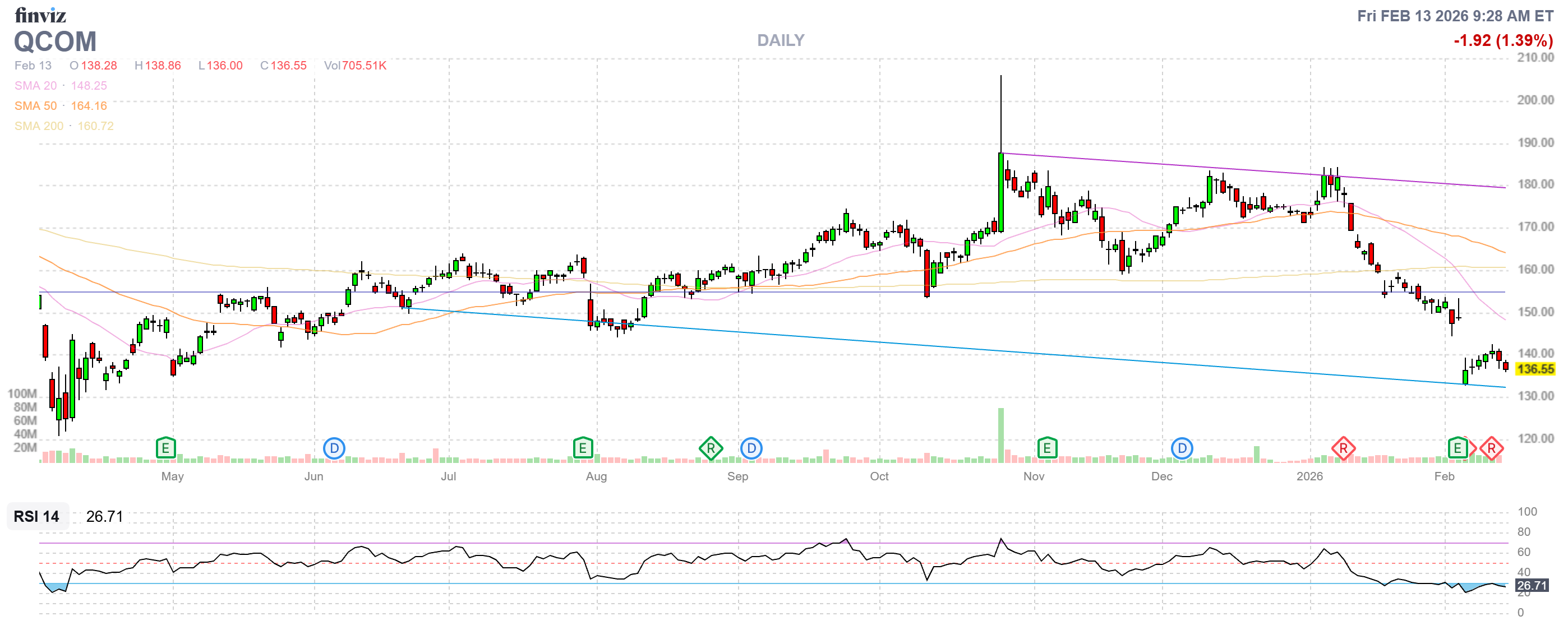
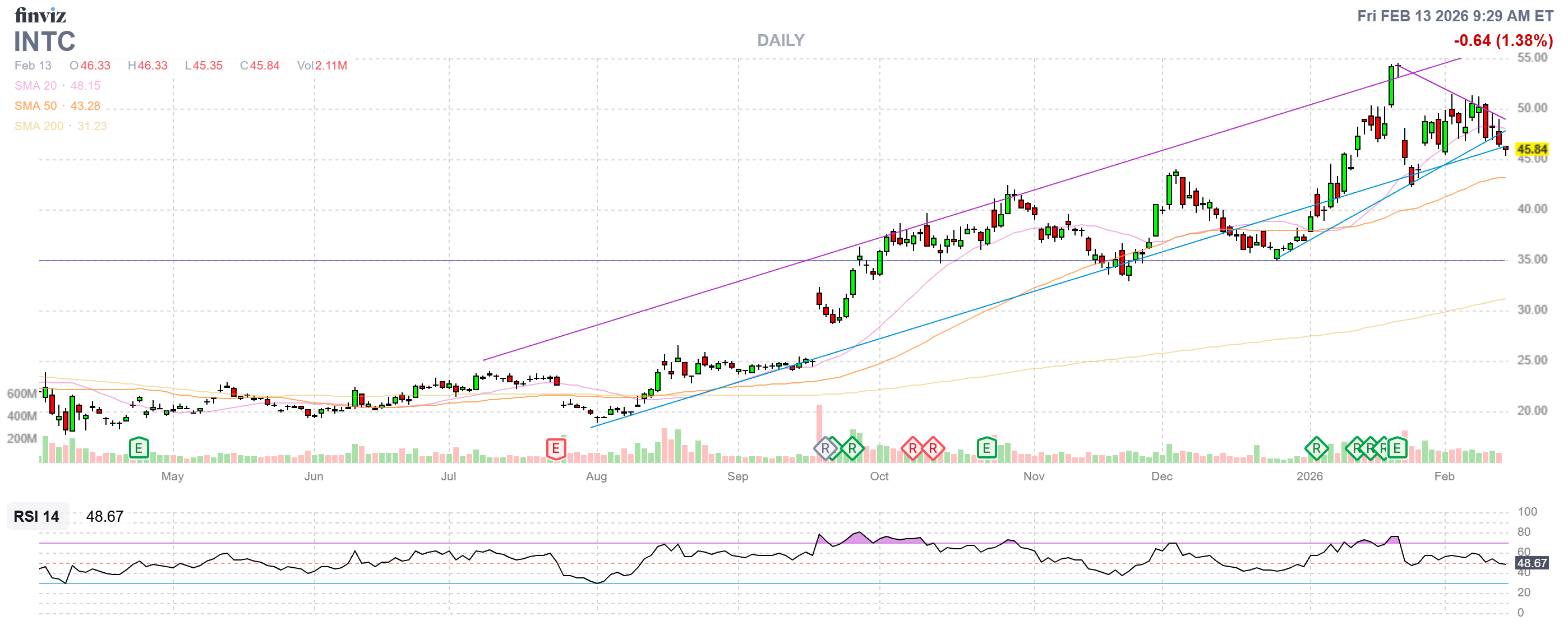
- The Memory Shortage: Qualcomm (QCOM) crashed not because of demand, but because they literally could not get enough memory chips. Intel’s CEO admitted this week that the DRAM shortage won’t resolve until 2028 – two years!
-
- The Constraint: You cannot replace every human worker with an AI agent this year if you cannot build the servers to run them, THIS YEAR. The “SaaSpocalypse” assumes infinite compute capacity. The reality is a 4-year hardware backlog. The software sell-off is premature because the infrastructure isn’t ready to kill the host – YET.
Part IV: The Verdict (How to Position on Friday the 13th)
Boaty McBoatface: The “Scare Trade” has created a massive dislocation. Here is the strategy for the superstitious investor:
-
- Buy the “Builders,” Not the “Dreamers“: The Amazon $200B CapEx budget is real money. It flows to Celestica (CLS) (server assembly) and Marvell (MRVL) (custom chips). While software panics, the hardware build-out is fully funded.
- Fade the “Karaoke” Panic: The crash in C.H. Robinson based on a karaoke company’s press release is a buying opportunity. Physical goods still need to move, and AI agents can’t drive trucks yet. This is a “buy the dip” moment in logistics.
- Respect the Valuation Gravity: With the Shiller P/E at 40, do not chase rallies in the broad index (SPY/QQQ). Keep the hedges (SQQQ) active. The market is right to correct, even if it’s doing it for the wrong (superstitious) reasons.
Phil’s Final Note: The market is currently terrified that a robot is going to steal its job but remember, right now, we are paying humans $50 an hour to taste menus for the robots because the AI doesn’t know what a taco tastes like (and neither do customers of Taco Bell!). The takeover isn’t happening on Monday. Buy the companies building the physical reality, ignore the ghost stories, but respect the gravity of a 40x P/E market.
One year out, 2 years out, MOST companies are not going to be replaced by AI but for intermediaries – sales WILL soften and margins WILL squeeze and we have to seriously take this into consideration when we are deciding who belongs in our Long-Term Portfolio (to be reviewed next week!).
Have a great weekend,
-
- Phil