


Courtesy of Pam Martens.
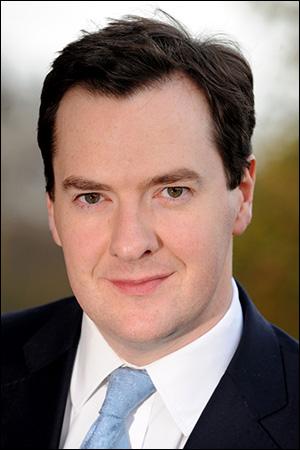
George Osborne, UK Chancellor of the Exchequer
The U.K. Chancellor of the Exchequer,George Osborne, plans to reform big banks in his country the way farmers keep raccoons out of their corn fields: an electrical fence.
Banking reform by soap box and silly ideas has crossed the Atlantic. Osborne delivered a flurry of inspirational words today on his new plans for banking reform in the U.K. Curiously, he delivered his speech at JPMorgan’s back office operation in Bournemouth. Osborne said the site location was to remind everyone how many jobs banking brings to England and specifically mentioned a landscaping business called Stewarts that takes care of JPMorgan’s grounds that he planned to visit later. That was possibly not the best choice of examples since wealth and income inequality has been institutionalized by the lack of banking reform.
On this side of the pond the suspicion rises that Chancellor Osborne’s site selection might have something to do with JPMorgan’s $6 billion in losses from speculating with insured bank deposits in its London offices – the infamous London Whale episode.
Osborne’s electrical fence proposal would work like this: instead of actually separating commercial banking from the casino investment bank, Osborne’s plan calls for putting separate CEOs in charge of each unit and giving regulators the power to actually break up the bank if it tries to game the system. Apparently, the electrical charge of deterrence is supposed to come from the threat inherent in the power to actually break up the bank.
The silliness of this proposal is on a par with the so-called reforms of the U.S. legislation passed on July 21, 2010 – the Dodd-Frank Wall Street Reform and Consumer Protection Act. Both reforms ignore the central problem: executives and traders at big banks in both the U.S. and U.K. are incentivized to game the system to pump up short term profits that bring obscene compensation and bonuses to themselves. The people riding this gravy train don’t care if the bank eventually fails because they’ve become rich and can retire in luxury. (Check out Jamie Dimon’s homes, CEO of JPMorgan, if you want a quick visual understanding of the problem.)
…

