


Courtesy of Pam Martens.
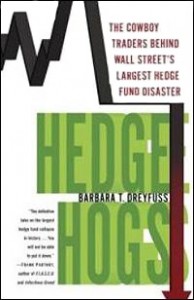 Hedge Hogs, the Barbara Dreyfuss book that hit number 9 on the Washington Post’s Hardcover Bestseller List last week, should have a cautionary logo: “Don’t Start Reading This Book Late In the Day: It Could Be Hazardous To Your Sleep.” If you are an avid follower of Wall Street, you’ll read it in one sitting.
Sales of the book may soar if, as reported yesterday, JPMorgan reaches an estimated $500 million settlement with the Federal Energy Regulatory Commission shortly for rigging energy markets and we learn the details of just what its traders were doing to manipulate energy prices.
What does this have to do with Hedge Hogs? The Dreyfuss book is the fast moving and riveting account of Amaranth Advisors LLC, the hedge fund that went from holding $9.668 billion in client assets in August 2006 to flaming out in losses exceeding $6 billion in less than four weeks; the culprit – out of control energy trading and efforts to rig the market according to the government.
As we know by now, there’s typically one cowboy trader at the center of collapsing these firms. At Amaranth Advisors, Brian Hunter dutifully plays the role to the hilt. On the day of Armageddon, Monday, September 18, 2006, as the market continues to hammer the firm’s trades lower and executives frantically scramble to find a buyer for the firm’s toxic waste; while TV screens around the trading floor are sounding the death knell for the employees’ jobs, Hunter is seemingly detached from the havoc he has brought to the lives of his colleagues and the fortunes of the firm’s clients like the San Diego County Pension Fund.
Dreyfuss writes: “Hunter remained as cool and calm as ever, snickering at inside jokes with his team. Someone picked up a football a broker had given them as a marketing tool months before and they tossed it around the trading floor. He and his team seemed immune to the drama swirling around them.”
The most disturbing as well as fascinating part of the story is the role played by JPMorgan Chase and its CEO, Jamie Dimon, in that pivotal meltdown week of September 18, 2006. How many times are we going to read that JPMorgan refused to release billions in margin capital it’s holding for a collapsing company before we start to question why it always seems to be JPMorgan on the scene with the body bag and poking around the corpse.
…

