


Courtesy of Pam Martens
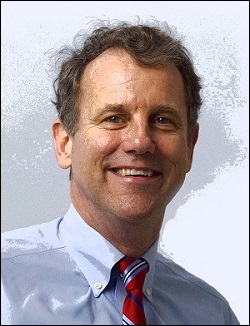
Senator Sherrod Brown
Yesterday’s Senate Banking Committee hearing to assess if the wild trading in meme stocks like GameStop and others requires new regulations on Wall Street turned into an overall assessment that Wall Street’s capital allocation system is broken and the main function of Wall Street today is a wealth transfer system for the rich. The Chair of the Committee, Senator Sherrod Brown (D-OH) summed it up as follows: (Read his full, enlightening remarks here.)
“We’ve seen Wall Street treat the markets as a game for decades – a game they always win, at the expense of pretty much everyone else. Wall Street has never been friendly to the little guy. Surely this time is no different. Yes, some regular people have had success. But fundamentally, the system is set up to funnel more wealth to the already-wealthy. Just like in Las Vegas, the House always wins.”
Senator Elizabeth Warren sized up the current structure of Wall Street like this: “It’s riddled with conflicts of interest that allow the giants to win every single time.” Warren went on to say that Wall Street “is supposed to be about capital formation, to creating long-term value for companies, so they can grow and create jobs. This is good for the American economy and American families. But when big sharks like Citadel and Robinhood come out ahead no matter what happens, and when the information they gather isn’t disclosed, and when it’s secret how that information is used, it’s easier for these giants to skim off the top at the expense of small investors and working families.”
Senator Jon Ossoff, the newly-elected 34-year old Democrat from Georgia, demonstrated that he has been paying close attention to how things play out between the Federal Reserve and Wall Street. Ossoff said that in the American Rescue Plan that was passed by the Senate on Saturday, “unlike traditional monetary expansion which subsidizes investment banks and unlike other recent fiscal measures that have subsidized corporations and wealth donors, zero percent of the stimulus checks and tax credits in this bill goes to the top one percent.”
Ossoff asked a witness on the panel, Rachel Robasciotti, the founder and CEO of Adasina Social Capital, this: “Given that the bottom 50 percent of American households by wealth possess just 1 percent of total national wealth held in the stock market, what in your view are the benefits of economic policy that gets cash directly to low-wealth households by fiscal measures, versus economic policy that adds liquidity to financial markets via the banking sector like traditional monetary policy?”
…

