

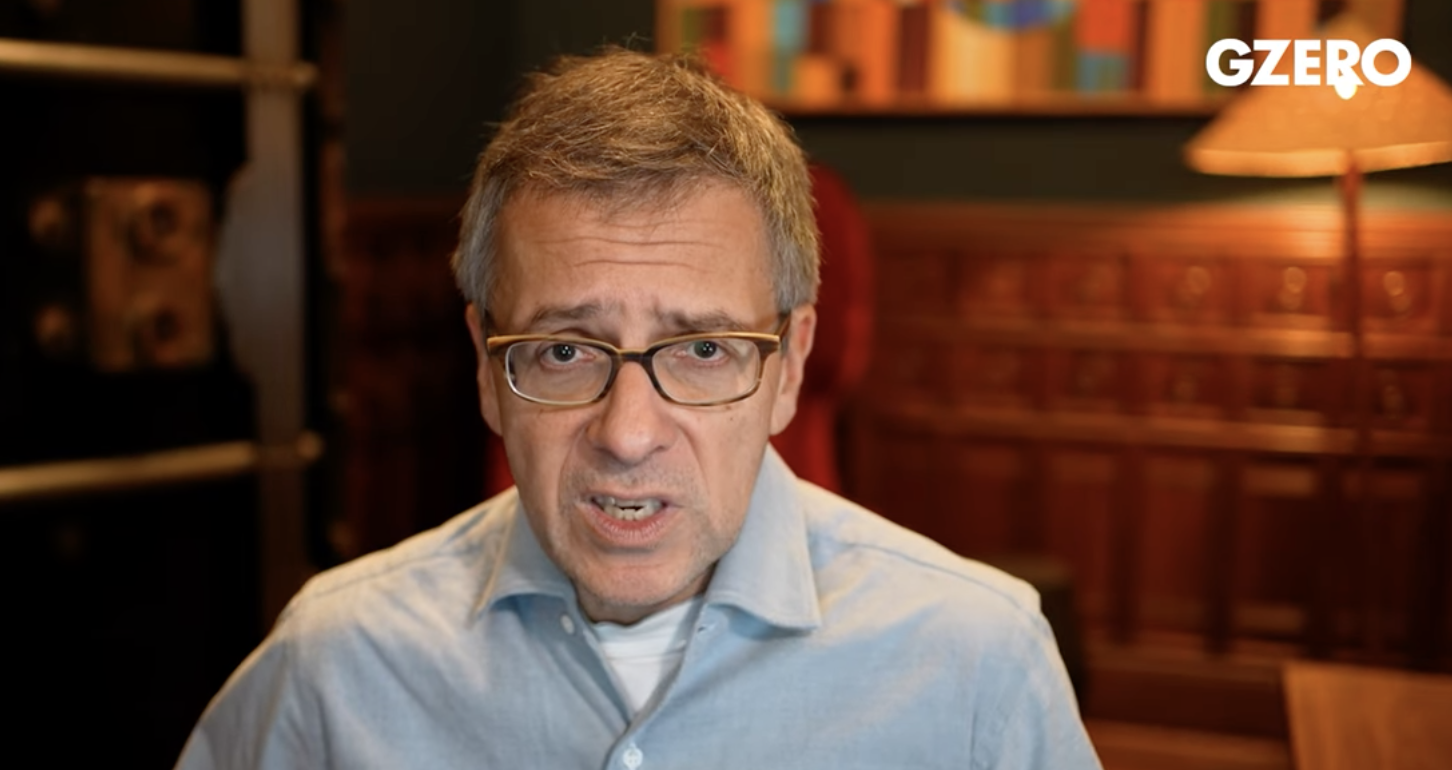
In the first video, Ian Bremmer speaks with former Treasury Secretary Larry Summers about Trump’s tariffs, trade wars and democracy. In the second and third videos, Bremmer offers some of his recent insights on the tariff topic. In the forth video, Bremmer speaks with Zanny Minton Beddoes, editor and chief of The Economist.
Summers: Trump’s trade war the “worst self-inflicted wound since WWII”
Timeline:
0:00 – Summers calls tariffs the worst U.S. policy mistake since WWII
1:30 – Tariffs hurt U.S. credibility and global trust
2:26 – Unclear motives: power play vs. economic strategy
3:24 – Tariff approach undermines U.S. goals, Chips Act, and global markets
5:13 – Reputational harm; U.S. soft power and alliances under pressure
7:08 – Damage to trust will outlast any policy reversal
8:32 – Business leaders remain silent out of fear
10:00 – Historical parallels to McCarthyism and future regret
11:45 – Markets may resist overreach, but more pain likely
13:18 – Universities have a duty to speak out
15:00 – Institutional silence criticized as stakes rise
17:30 – Law firms facing political targeting
20:25 – Democracy more fragile than the economy; judiciary is key
23:44 – Closing thoughts
Who benefits from Trump’s tariff wall? ~ Quick Take
Trump tariff is starting a US-China trade war
Trump’s trade war: Who really wins?
“‘Who benefits from this trade war?’ That’s the question that Zanny Minton Beddoes rhetorically poses midway through her interview with Ian_Bremmer this week. And it’s the question at the heart of today’s episode” (below).
Timeline:
0:00 – Trump’s 2nd-term economic chaos and unpredictability, no winners in a trade war
1:22 – Wall Street misread Trump’s 2024 agenda
2:20 – Tariffs spark investor unease and market instability
3:08 – Uncertainty from Trump’s policy shifts discourages investment and hiring
4:11 – Zanny Minton Beddoes joins to discuss Trump’s second term
4:16 – Surprise at how aggressive Trump’s protectionism has been
5:08 – Geopolitical shock: hostility toward allies, coziness with adversaries
6:27 – Europe’s shock at U.S. hostility; Munich speech and Oval Office scene
8:21 – Europe’s response: stronger defense, less reliance on U.S.
9:50 – Shift in European attitude: anger, autonomy, and strategic buildup
10:26 – Critique of “mobster” foreign policy and bullying diplomacy
11:05 – Question: What could the U.S. have done differently?
11:52 – Zanny: Trade war has no logic or clear end goal
12:17 – Three major global shocks: geopolitical, economic, and technological
13:34 – Concerns about capital flight, investment slowdown, and uncertainty
14:02 – Zanny sees the current trajectory as likely to end badly
15:21 – Critique of zero-sum mindset and transactionalism
16:00 – Where the transatlantic relationship could go next
16:24 – Best-case scenario: Europe reforms and builds resilience
17:09 – Worst-case: escalation of tariffs and European pushback
18:02 – Worry about U.S. advisors enabling Trump without resistance
20:00 – China’s own problems may limit its global rise
21:18 – Optimism: global growth and innovation in emerging markets
22:25 – Hopeful conclusion: uncertainty is high, but outcomes aren’t predetermined

