

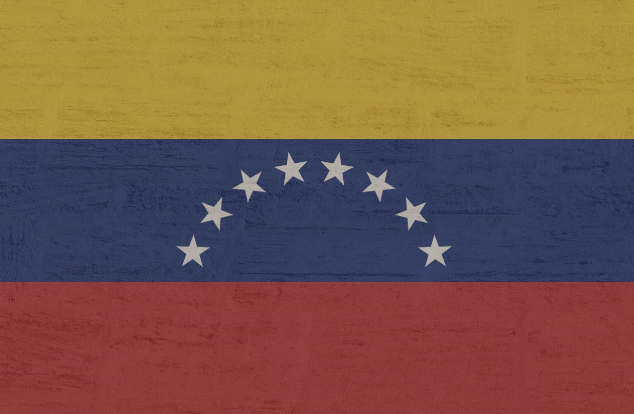
The first domino of regime change in Venezuela has been toppled, as the Trump administration has imposed a naval blockade on the main oil export ports.
Summary
Peter Zeihan argues that the Trump administration has effectively begun a campaign of regime change in Venezuela by imposing a naval blockade on the country’s key oil export ports. Because Venezuela’s oil infrastructure is geographically fragmented and highly vulnerable, Zeihan says the U.S. Navy can easily shut down exports, cutting the country off from nearly all foreign currency earnings. Since oil revenue funds both the regime and roughly 80% of Venezuela’s food imports, he expects food shortages and riots to emerge within days, followed by a rapid deterioration of state authority.
Zeihan warns that Venezuela’s internal collapse will be especially violent and unmanageable because the population is heavily armed, a legacy of Chávez-era weapons distribution. This makes both foreign intervention and domestic stabilization extremely unlikely, raising the prospect of a prolonged breakdown of civil order rather than a conventional civil war. In his view, Venezuela’s oil production will remain offline for years, not months.
Beyond Venezuela, Zeihan frames this as a turning point in global energy geopolitics. He argues the blockade signals a new willingness by the U.S. to directly target “shadow fleet” oil tankers, which also transport crude for Iran and Russia. While Venezuela’s roughly one million barrels per day alone wouldn’t disrupt an oversupplied oil market, adding potential losses from Iran and Russia could remove several million barrels per day. That combination, he says, sets the stage for a major energy shock and makes 2026 a potentially volatile and unstable year for global energy markets.

