

Understanding the U.S. Strike on Venezuela
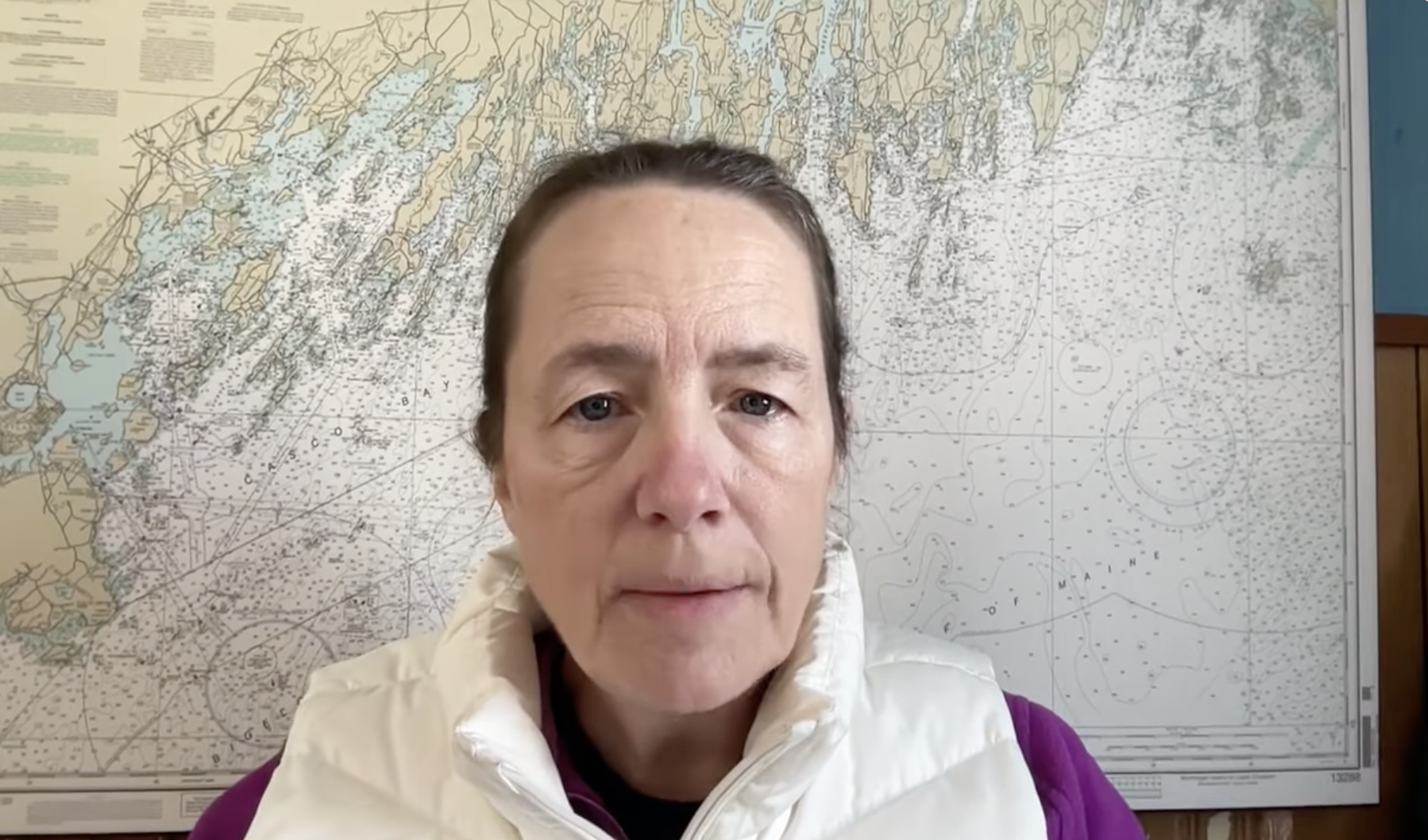
Explainer by Heather Cox Richardson
Timeline
- 0:00 — U.S. strike on Venezuela; framing and stakes
- 1:00 — Maduro, drug-trafficking claims, and disputed legal basis
- 3:30 — Reported seizure of Maduro and regime disruption
- 4:30 — Trump’s domestic political weakness and legal pressure
- 7:30 — Trump claims control of Venezuelan resources
- 9:00 — Rules-based international order after WWII
- 13:50 — Russia, Ukraine, and spheres of influence
- 17:40 — U.S. alignment with Putin’s worldview
- 19:40 — War Powers Act and constitutional violations
- 21:30 — Authoritarian trajectory and corruption risks
- 24:30 — Head-of-state immunity and precedent problems
- 26:30 — Call to action and warning of constitutional crisis
Summary
Heather Cox Richardson argues that the U.S. strike on Venezuela—and the reported capture of President Nicolás Maduro—is not primarily about drug trafficking or removing a dictator, but about a far larger and more dangerous shift in U.S. policy. While Maduro is undeniably authoritarian, Richardson stresses that the Trump administration’s justifications for military action are legally weak, factually muddled, and procedurally unlawful. Venezuela is a drug transit corridor, not a fentanyl producer, and experts dispute claims that trafficking is directly controlled by Maduro’s regime. Previous U.S. practice was interdiction and arrest, not lethal military force.
Richardson situates the strike in the context of Trump’s acute domestic vulnerability: collapsing approval ratings, economic uncertainty, damning disclosures related to January 6 and classified documents, and the growing exposure of the Epstein files. She argues the Venezuela action functions as a diversion and a power play by a cornered president seeking to project strength.
The core of her argument is geopolitical. By attacking Venezuela without congressional authorization, Trump violates both the War Powers Act and the Constitution, asserting unilateral authority to wage war. More importantly, Richardson contends that the U.S. has now abandoned the post–World War II rules-based international order—built to prevent wars of conquest in a nuclear world—in favor of a “spheres of influence” model championed by Vladimir Putin. Under this logic, powerful nations simply seize territory and resources from weaker ones.
This shift, she warns, directly benefits Russia by legitimizing its aggression in Ukraine and undermining the principle of national sovereignty that protects smaller states, including Taiwan. Trump’s rhetoric about controlling Venezuelan oil, Greenland, and hemispheric dominance signals a move toward imperial extraction rather than alliance-based leadership.
Richardson concludes that the Venezuela strike represents a dual crisis: internationally, it erodes the system that has prevented world war for decades; domestically, it dismantles constitutional guardrails by normalizing executive war-making without oversight. The result, she warns, is a path toward authoritarianism, corruption, and personalized rule—unless Congress and the public intervene.

