

It’s not just about cuts to research. It’s about power.
Joan Brugge has worked for nearly 50 years as a cancer scientist, studying the earliest signs that someone might become sick. Then the Trump administration canceled her lab’s funding. The administration’s attacks on medicine, culture, and education—which include verbal threats and funding cuts—are about more than just budgeting and bravado. Ruth Ben-Ghiat is a professor of history and Italian studies at New York University and the author of Strongmen: Mussolini to the Present. She argues that this effort is part of a larger autocratic project to maintain power.
The following is a transcript of the episode:
Joan Brugge: I was actually at a breast-cancer retreat. And during the coffee break, I looked at my emails to see, you know, if there’s anything that I had to deal with. And I got this email from the university, and it was a real gut punch. My knees basically buckled, and I had to sit down.
Brugge: I never imagined that it would be possible that funding for lifesaving research would be terminated for issues that were totally unrelated to the quality of the work or the progress that we had made in the work.
Anne Applebaum: From The Atlantic, this is Autocracy in America. I’m Anne Applebaum. In this new season, I am asking how the Trump White House is rewriting the rules of U.S. politics, and talking to Americans whose lives have been changed as a result.
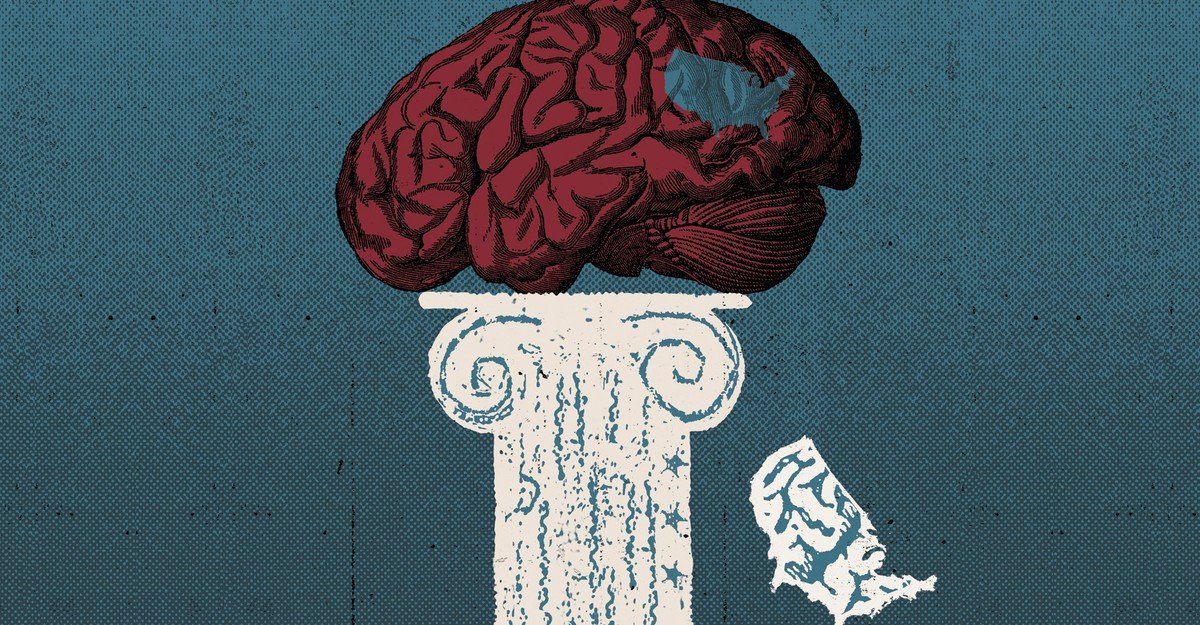
Today’s episode examines the administration’s attacks on science, medicine, culture, and education—a combination of verbal threats and funding cuts that look very much like an attempt to control knowledge. Maybe there’s a broader goal, too: to build distrust, and, ultimately, to reshape all Americans’ perceptions of reality. I know that sounds dramatic, but I spent many years writing about authoritarian regimes, and almost all of them try to undermine admired institutions, in order to radically alter the way people think.

