

RFK Jr. Picks a Fight With Dunkin’—And New England Isn’t Having It
By Sam Stein, Jonathan V. Last, and Catherine Rampell, The Bulwark
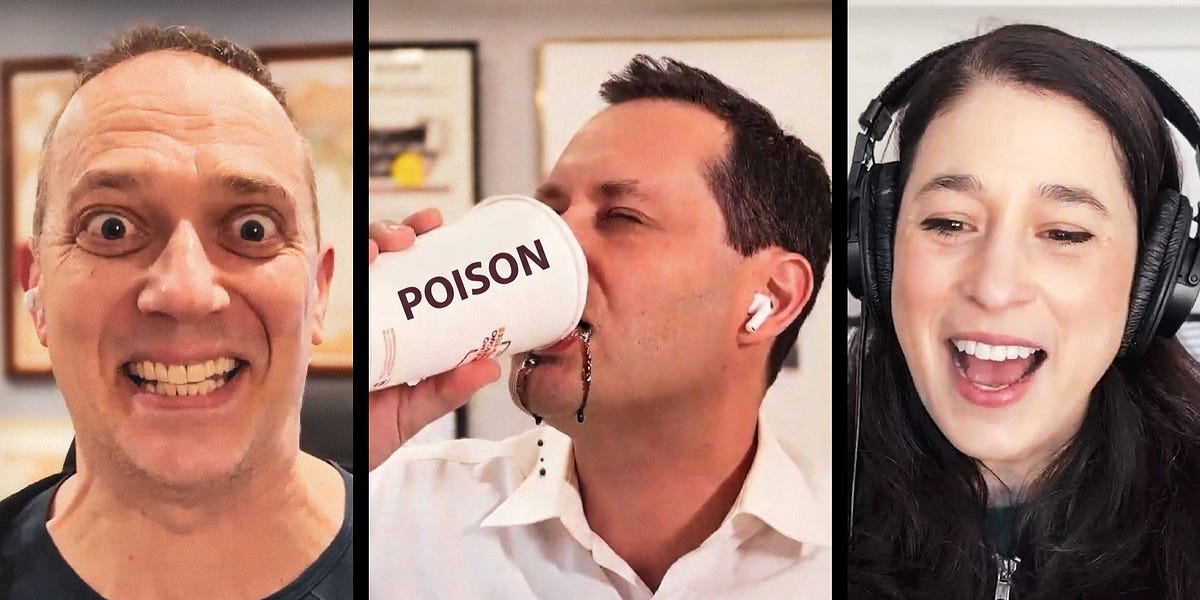
Sam Stein, JVL, and Catherine Rampell give their takes on why HHS Secretary Robert F. Kennedy Jr. is demanding “safety data” from Dunkin’ over its sugar-loaded iced coffees and why that fight could hit differently in Massachusetts. From 115 grams of sugar to 48-ounce coffee buckets, the crew taste-tests a truly unholy Dunkin order and debates whether this is public health policy or just another front for the MAHA movement in the culture wars.
More here (may be subscription only) >
Summary
This discussion is a political commentary segment from The Bulwark discussing remarks by Robert F. Kennedy Jr. about sugary drinks sold by Dunkin’ and Starbucks. The discussion mixes humor, cultural commentary, and criticism of RFK Jr.’s broader health agenda.
Below is a clear summary of the key points.
1. The Trigger: RFK Jr. Targeting Sugary Coffee Drinks
The conversation begins with the hosts reacting to RFK Jr.’s statement that the government may ask Dunkin’ and Starbucks to provide safety data for extremely sugary drinks, specifically questioning whether it is safe for a teenager to drink an iced coffee containing around 115 grams of sugar.
His comments are tied to his “Make America Healthy Again” (MAHA) initiative, which focuses on diet, health, and reducing harmful food ingredients.
The hosts frame this as an attempt by the federal government to challenge the sugar content of popular coffee drinks, which they portray as an example of government intrusion into consumer choice.
2. Dunkin’ as a Cultural Institution
Much of the discussion centers on how deeply embedded Dunkin’ is in New England culture, particularly in Massachusetts.
They note:
- The U.S. has roughly 10,000 Dunkin’ locations
- Over 1,000 are in Massachusetts alone
- About 80% of Massachusetts residents live within two miles of one
The hosts argue that Dunkin’ is not just a brand but a regional cultural icon, comparing it to other Massachusetts staples like the Red Sox and the Kennedy family. Because of this, they suggest RFK Jr.’s criticism could provoke strong cultural pushback.
3. The Enormous Sugar Content of Dunkin’ Drinks
The conversation highlights the very high sugar levels in many Dunkin’ beverages, which is the core of RFK Jr.’s criticism.
Examples they cite from Dunkin’s own nutritional data:
- Large strawberry drink: ~110 g sugar
- Vanilla bean frozen drink: 83–167 g sugar
- Many frozen drinks: 50–168 g sugar
- Lemonade refresher: ~74 g sugar
For comparison, U.S. dietary guidelines suggest about 50 grams of added sugar per day.
The hosts acknowledge these drinks contain extreme amounts of sugar, though they frame the issue largely as a matter of personal choice rather than regulation.
4. Absurd Drink Customizations
To illustrate the point, the hosts read real examples of complicated Dunkin’ orders with extreme sugar levels, such as:
- Iced coffee with multiple flavor shots, creams, and sugars
- Drinks containing eight or more sweeteners
- Combinations of caramel, blueberry, coconut, and sugar substitutes
One host even recreates a deliberately ridiculous drink to taste on-air, describing it as essentially “melted ice cream.”
5. Criticism of RFK Jr.’s Health Agenda
The hosts use the Dunkin’ issue to criticize RFK Jr.’s broader health movement.
They argue that:
- The MAHA movement criticizes mainstream foods and vaccines.
- It simultaneously promotes alternative treatments and supplements such as ivermectin, peptides, or unconventional health trends.
- They characterize the movement as contradictory—criticizing sugar while endorsing other questionable health ideas.
This section reflects the hosts’ broader political skepticism toward RFK Jr.’s policies.
6. Culture War Risk for Companies
The discussion then shifts to the broader issue of companies being pulled into political culture wars.
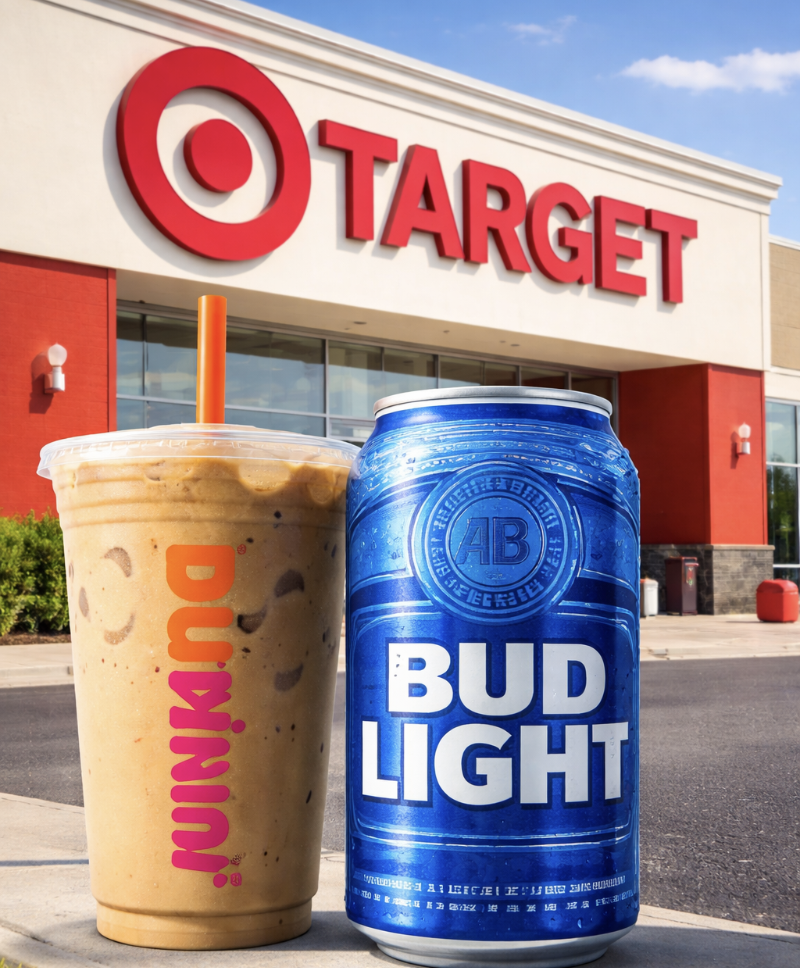
They speculate whether Dunkin’ could face the same type of political backlash experienced by companies like: Bud Light.
The hosts debate whether Dunkin’ might accidentally become labeled as a “political brand” if politicians start using it as a symbol in political debates about health, regulation, or personal freedom.
Their conclusion is that the safest strategy for Dunkin’ would be to avoid engaging politically and stay quiet.
7. The Broader Theme: Health Policy vs Personal Freedom
The underlying debate throughout the segment is the tension between:
- Public health concerns about excessive sugar consumption
- Consumer freedom to eat or drink whatever they want
The hosts lean heavily toward the view that government scrutiny of products like sugary coffee drinks represents an overreach into personal lifestyle choices.
✅ In short:
The segment is a humorous but politically pointed discussion about RFK Jr.’s proposal to scrutinize extremely sugary coffee drinks. The hosts argue that Dunkin’ is culturally iconic, acknowledge the drinks contain enormous sugar levels, but frame the issue mainly as an example of government overreach and culture-war politics intersecting with everyday consumer products.

