

War news sells, but we cannot abandon covering diplomacy
Courtesy of
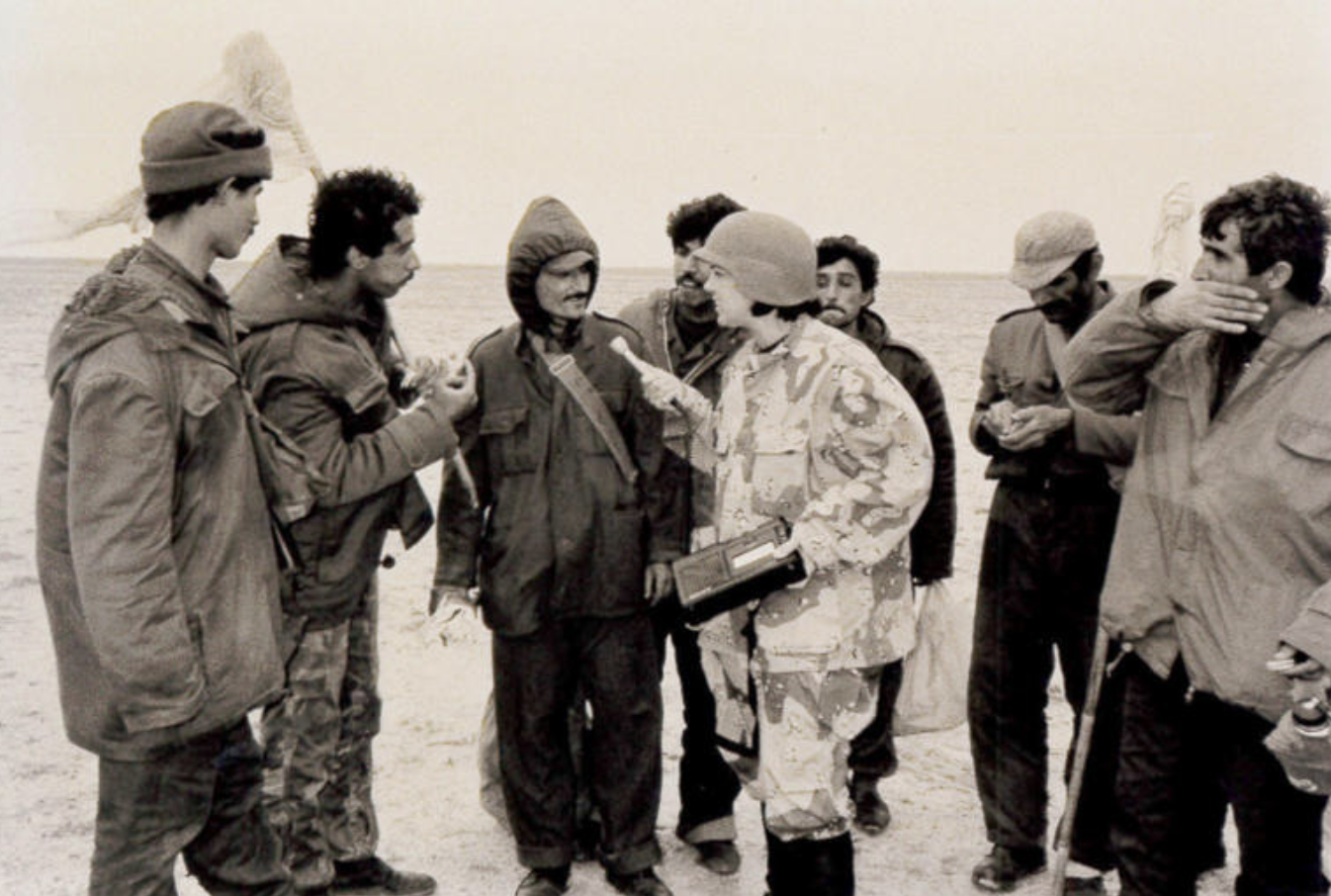
“Which way is the war?” An American soldier clambered from his Humvee to ask us war correspondents standing outside our camouflaged Land Rover, checking compasses in foggy dawn of the first day of the 1991 Desert Storm ground war. It was only a few hours after U.S. President George H.W. Bush had officially announced allied coalition’s final assault on Iraqi occupation of Kuwait at 9 p.m. Feb. 23, 4 a.m. our time Sunday on Saudi Arabia’s northeastern border with Iraq and Kuwait. We few international journalists on our own at the front leapt into action from Hafar al-Baten as nearby encamped allied soldiers had done, all of us looking for the war and stories.
Next day, east along the Saudi-Kuwaiti desert border a squadron of deserting Iraqi soldiers carrying two white flags helped make big news as they “surrendered” to me and an Italian cameraman and a Spanish photographer, with whom I’d hitchhiked that day in search of stories. Early Feb. 26 a pair of British journalists and I maneuvered around landmines to reach the Kuwaiti capital to break the news of the country’s liberation, my reporting live on a borrowed mobile telephone as Kuwaitis emerged from houses to celebrate. A day later some of us frontline journalists drove north into Iraq along what we saw was “the highway of death,” horrific scene of abandoned Iraqi military vehicles with scattered helmets, though no bodies left in sight. Pictures and our stories sold globally.
Covering wars is a rite of passage for a foreign correspondent, any journalists covering international news, but also for others wishing to be part of big stories. Covering diplomacy that might prevent or end wars is, unfortunately, not accorded the same news opportunities in the media. I know from my own experience covering many wars and diplomacy.
Why? Wars sell. Wars bring immediate results–death, destruction, excitement, and fear to report to the world’s audience. Something happens each day for stories to feed news, triggering reaction. Media owners make money. Warmongers get attention, gain diversion from unwanted news. Average members of the global audience don’t care to admit, but all are consuming partners in wars.
This article originally appeared on Asheville Citizen Times: War news brings excitement, fear. Diplomacy news helps prevent wars
Elizabeth “Liz” Colton, Ph.D., author, Emmy Award winning journalist who worked in all news media globally, U.S. Peace Corps Volunteer, UN international civil servant, later U.S. Foreign Service Officer, now teaches diplomacy worldwide for UNITAR and partner international universities. She serves as board-chair of Reporters Sans Frontieres-Reporters Without Borders/RSF-USA/North America and a board member of Blue Ridge Public Radio for Western North Carolina.

