

Meet the quiet winners of the Supreme Court tariff ruling: hedge funds creating a $100 billion market snapping up rights to importers’ tariff refunds
(Originally published at Fortune)
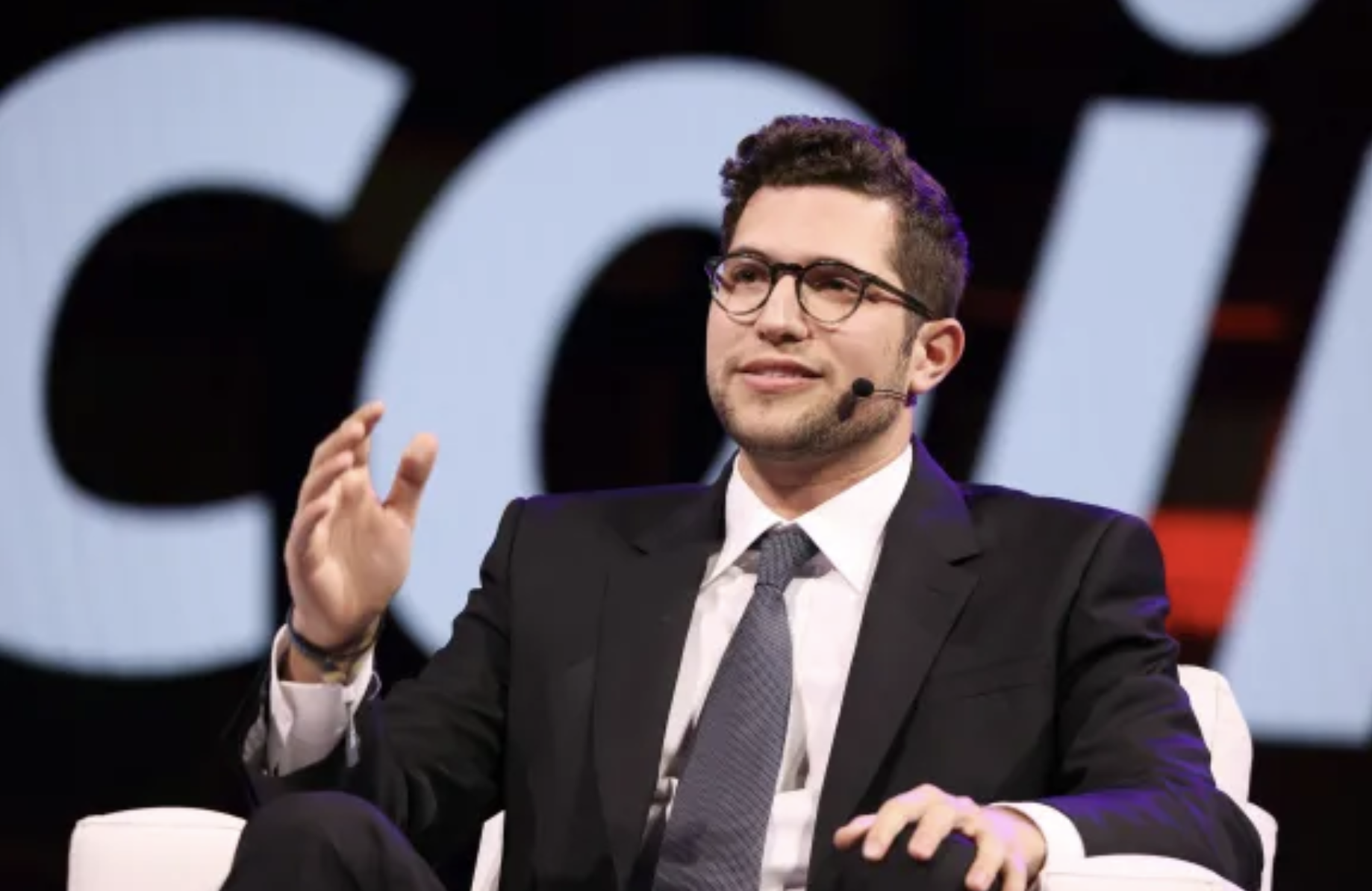
At the end of February, Rep. Jamie Raskin, ranking member of the House Judiciary Committee, sent a letter to Commerce Secretary Howard Lutnick and his son Brandon Lutnick, who took over as chair of financial services firm Cantor Fitzgerald, replacing his father as top brass when Lutnick took a spot on President Donald Trump’s cabinet.
Summary
Hedge Funds Are Betting on Tariff Refunds After Supreme Court Ruling
A new speculative financial market has emerged after the Supreme Court struck down tariffs imposed under the International Emergency Economic Powers Act. The ruling could require the U.S. government to refund as much as $180 billion in tariffs that American importers paid.
How the Trade Works
Hedge funds and investment firms are buying the rights to potential tariff refunds from companies that paid the tariffs. The typical structure works like this:
- An importer that paid tariffs sells its right to any future refund.
- The hedge fund pays the importer about 20–30% of the potential refund value upfront.
- If the government eventually issues refunds, the hedge fund collects the full amount.
For companies that were hurt by tariffs or need cash immediately, this offers fast liquidity without waiting years for litigation or navigating complex refund processes. For investors, it’s essentially a legal bet on the courts eventually forcing the government to repay tariffs.
A Potential $100 Billion Market
Because the possible refund pool could reach $180 billion, analysts estimate that 15%–50% of refund claims may be sold. The secondary market could reach roughly $100 billion.
This has attracted hedge funds, liquidation specialists, and brokers who specialize in distressed assets or legal claims.
Political Controversy
The market drew political scrutiny when Jamie Raskin questioned whether Cantor Fitzgerald might have participated in the trade. The issue arose because Commerce Secretary Howard Lutnick previously ran Cantor Fitzgerald. In addition, his son Brandon Lutnick now leads the firm.
Raskin raised concerns that Cantor might have had nonpublic information about tariffs when exploring trades in refund rights. Cantor Fitzgerald denies executing any such trades.
The Big Risk: Refunds Aren’t Guaranteed Yet
Even though the Supreme Court struck down the tariffs, the refund process is still unresolved. Several uncertainties remain:
- Lower courts must determine how refunds will be distributed.
- The administration could continue fighting refunds in court.
- The process could take years.
Why Some Companies Are Selling Their Claims
Many importers are selling refund rights because accepting a smaller guaranteed payment today may be better than waiting years for a larger refund:
- The refund process will likely be complex and slow.
- Legal claims may require lawyers and documentation.
- Some companies need immediate cash.
Why This Is Unusual
The United States has refunded tariffs before (for example under the Generalized System of Preferences program), but those refunds were only a few billion dollars at a time. If these refunds occur, the scale—potentially up to $180 billion—would be unprecedented.
✅ Bottom line:
A new speculative market has formed where hedge funds buy the rights to potential tariff refunds from importers. If courts ultimately force the government to repay tariffs struck down by the Supreme Court, investors could collect massive payouts—but the timing, process, and final outcome remain uncertain.

