
 The new Beige Book is here!
Usually it’s interesting but not important but today’s Beige Book will cover the first month of the war (this is week 7!) across various Fed sectors like Manufacturing, Tourism, and Retail – highlighting trends in Employment, Consumer Spending and Inflation, helping policymakers gauge the overall economic climate. Doesn’t that sound like a big deal?
Keep in mind that March is the last 1/3 of Q1 so it’s a preview of the earnings season that is just beginning. The Beige Book is a survey where the various regional Feds contact their business buddies and say “how are things going?” so it’s not iron-clad data but it’s GUIDANCE before we get actual guidance so we’re going to take it very seriously.
Recent reports have indicated a stable Economy with signs of softening Employment and continuing Inflationary pressures. The Beige Book notes areas of growth as well as challenges, such as supply chain issues or labor shortages – so lots of tea leaves we’ll be able to read into.
🧠 So far, we’ve only had a few early Q1 earnings reports and they’ve been dominated by the Financials, which are painting a surprisingly rosy picture – if you’re a bank that makes money on volatility and deal-making, anyway. Of the 20 S&P 500 companies that have reported through April 10th, 80% have beaten EPS estimates and actual earnings have exceeded estimates by 15.7% in aggregate – so far, so good.
Insight/2026/04.2026/04.10.2026_Earnings%20Insight/02-sp500-earnings-surprise-percent-5-year.png?width=672&height=384&name=02-sp500-earnings-surprise-percent-5-year.png)
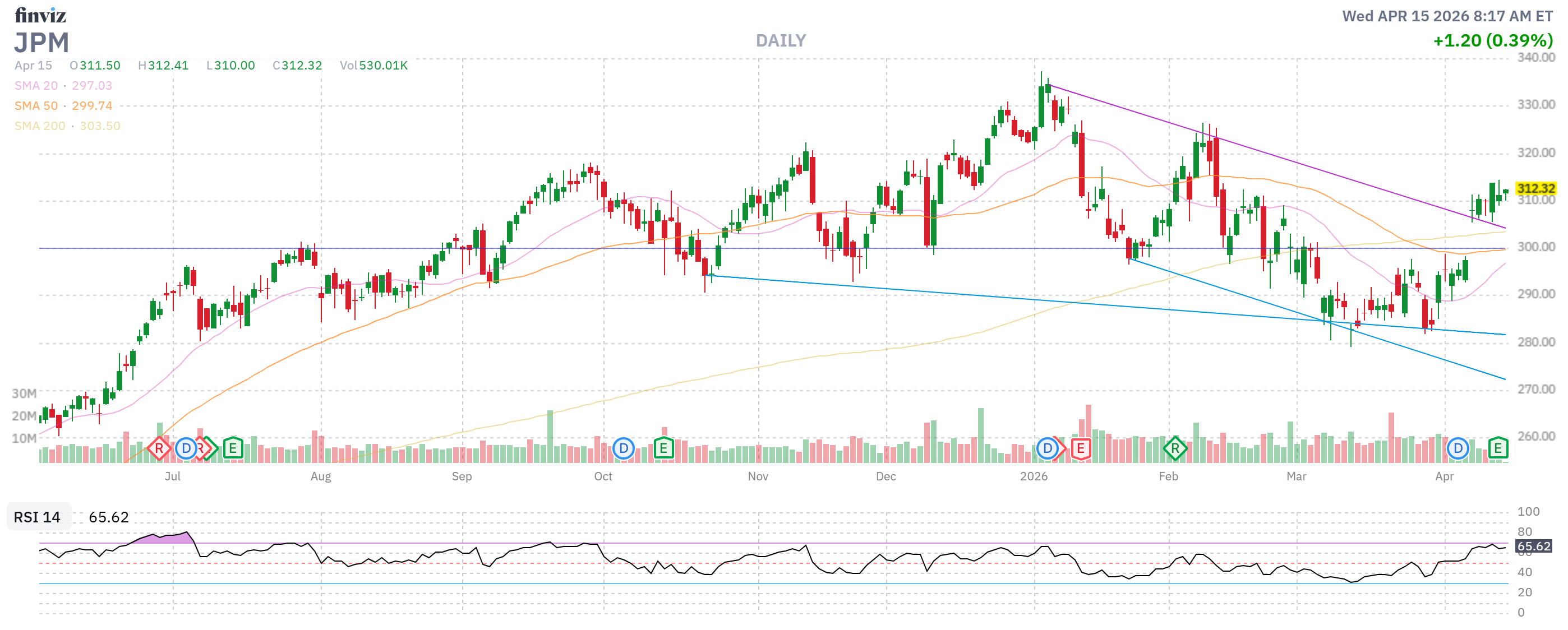
- The big banks kicked things off with a bang. JPMorgan posted a 13% profit increase to $16.5Bn ($5.94/share vs. $5.45 expected), riding record trading revenue of $11.6Bn – up 20% – with fixed income up 21% and equities up 17%. Investment banking fees hit $2.88Bn (+28%) as M&A and equity underwriting came roaring back. Jamie Dimon, of course, couldn’t resist warning about “an increasingly complex set of risks” – which is Jamie-speak for “we’re making a fortune on the chaos.“
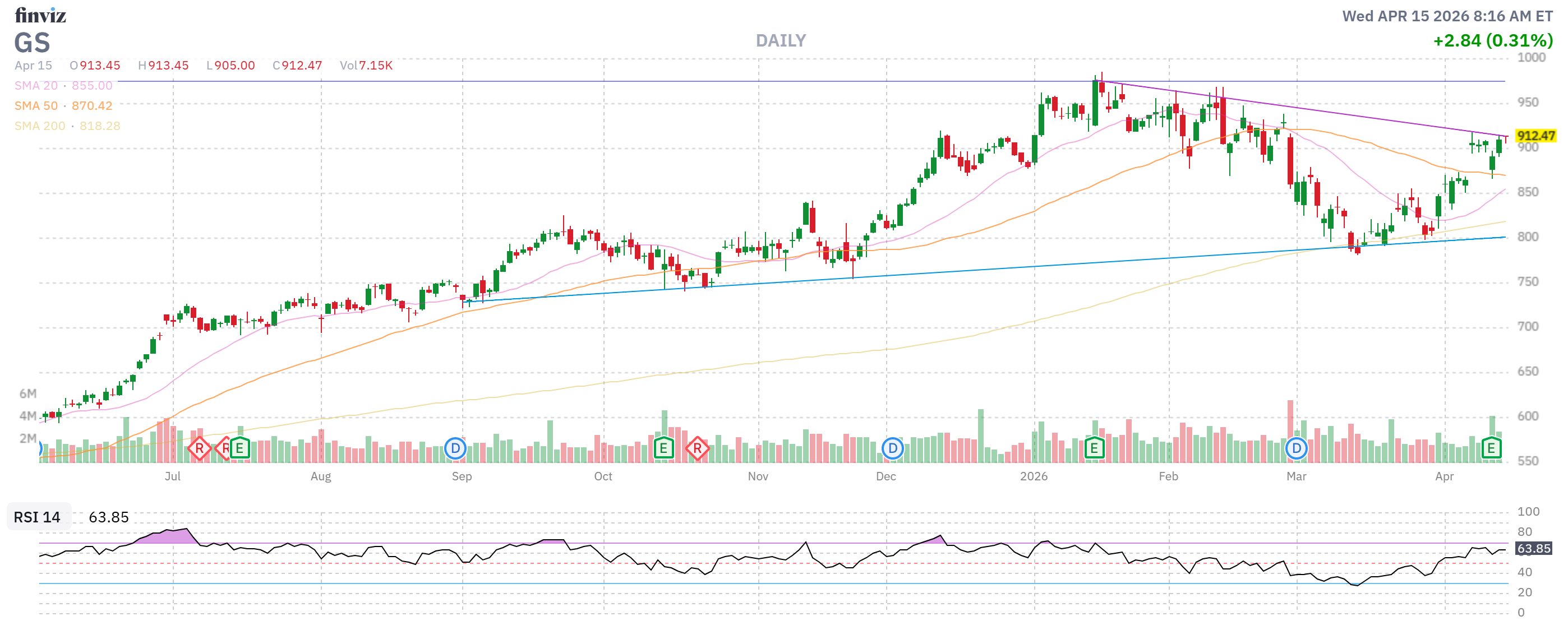
- Goldman Sachs went even bigger – a record quarter with earnings up 19% to $5.63Bn ($17.55/share vs. $16.47 expected) on revenues of $17.23Bn (+14% YoY). Advisory fees were up a stunning 48% on a surge in completed M&A and Equities revenue popped 27% driven by prime financing. That’s a 19.8% ROE – Solomon has to be grinning.
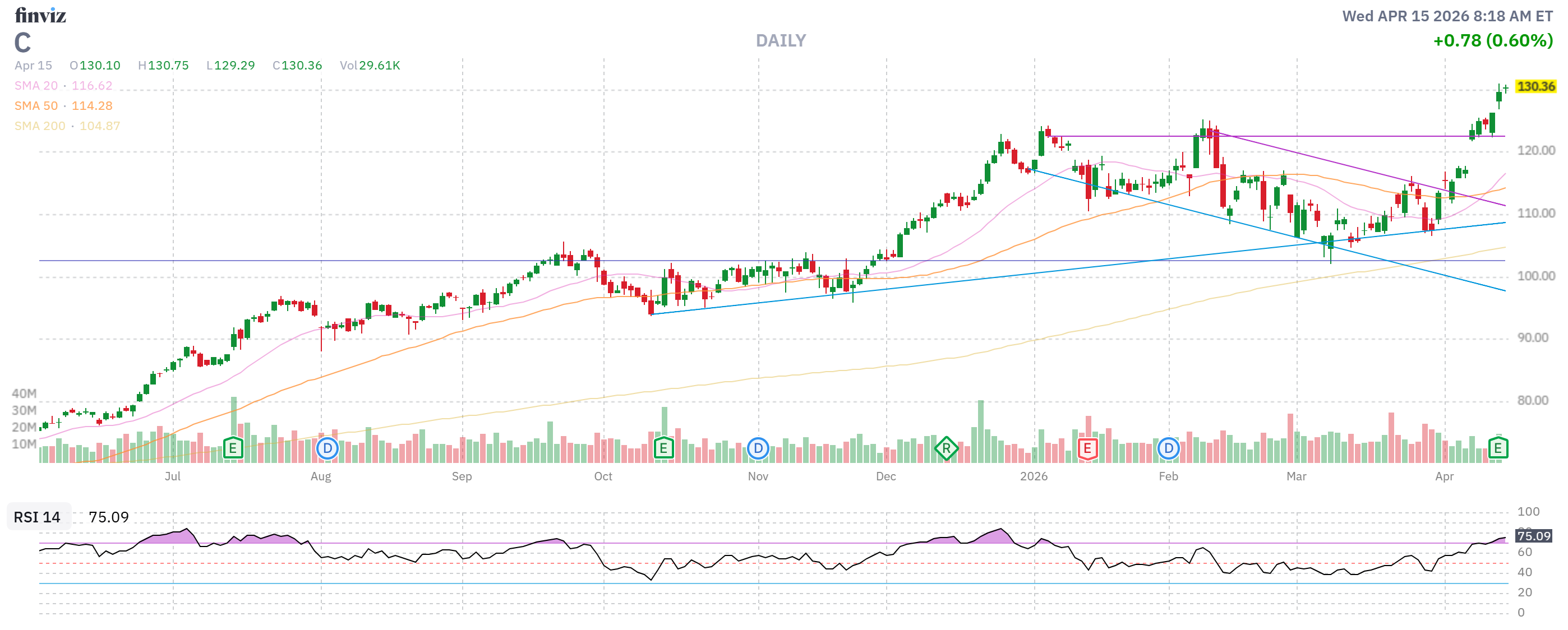
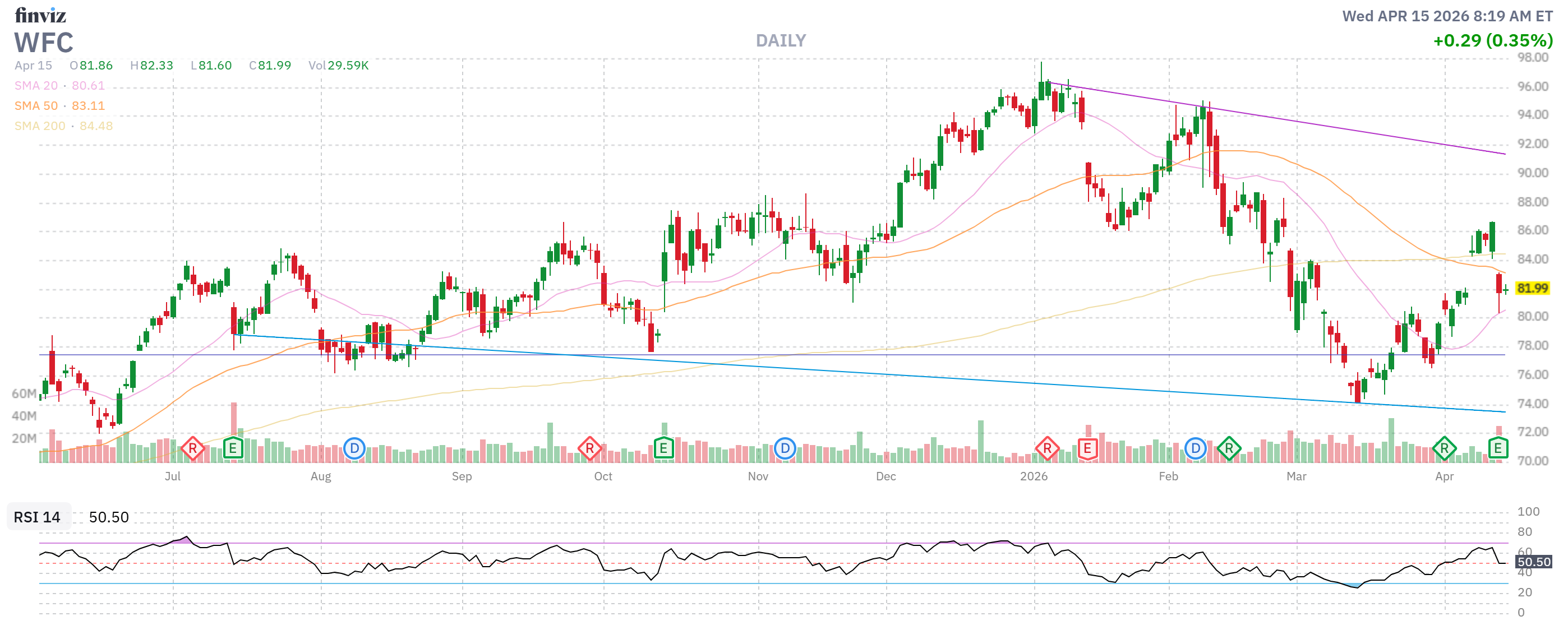
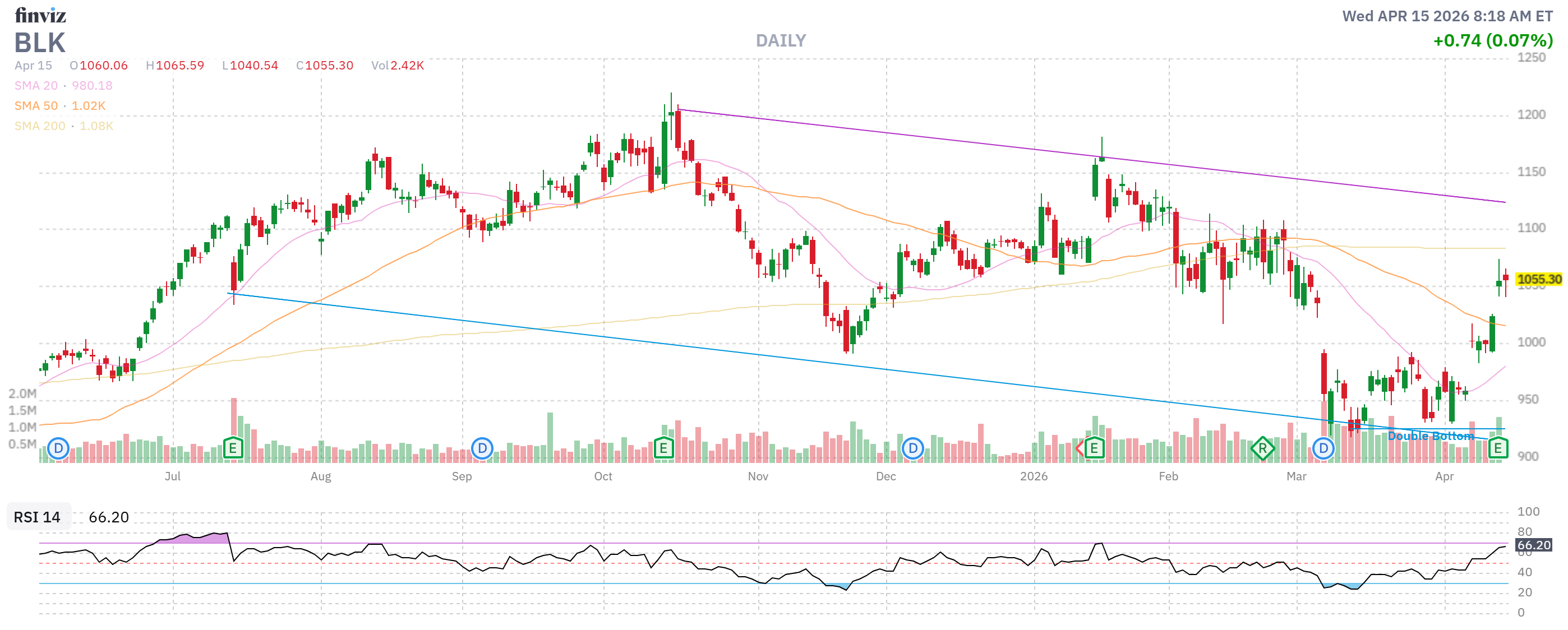
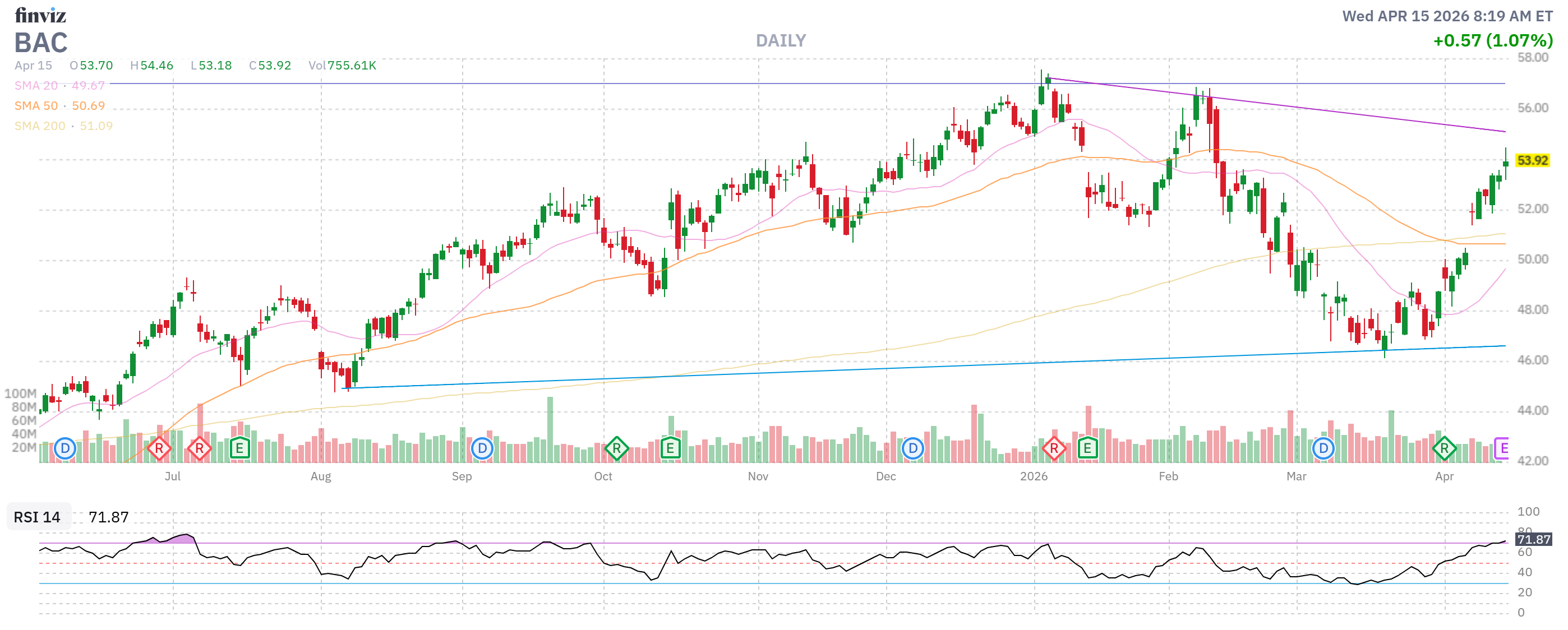
- Citigroup may have been the biggest surprise of the bunch – EPS of $3.06 crushed the $2.63 estimate by 16%, revenue hit $24.6Bn (+14% YoY), and Jane Fraser’s “Project Bora Bora” restructuring finally showed results with a 13.1% RoTCE and an efficiency ratio down to 58%. Markets revenue was up 19% – their best quarter in over a decade. Even Wells Fargo, perennial underperformer, reported solid results with net income of $5.25Bn and trading revenue jumping 38%, though NII came in a hair light and the stock dipped. BlackRock pulled in $130Bn in client cash with EPS of $12.53 beating the $11.48 estimate, and AUM surged 20% to $13.9 Trillion. Bank of America reports this morning (consensus is $1.00 EPS on ~$29.9Bn revenue), so we’ll see if the streak continues.
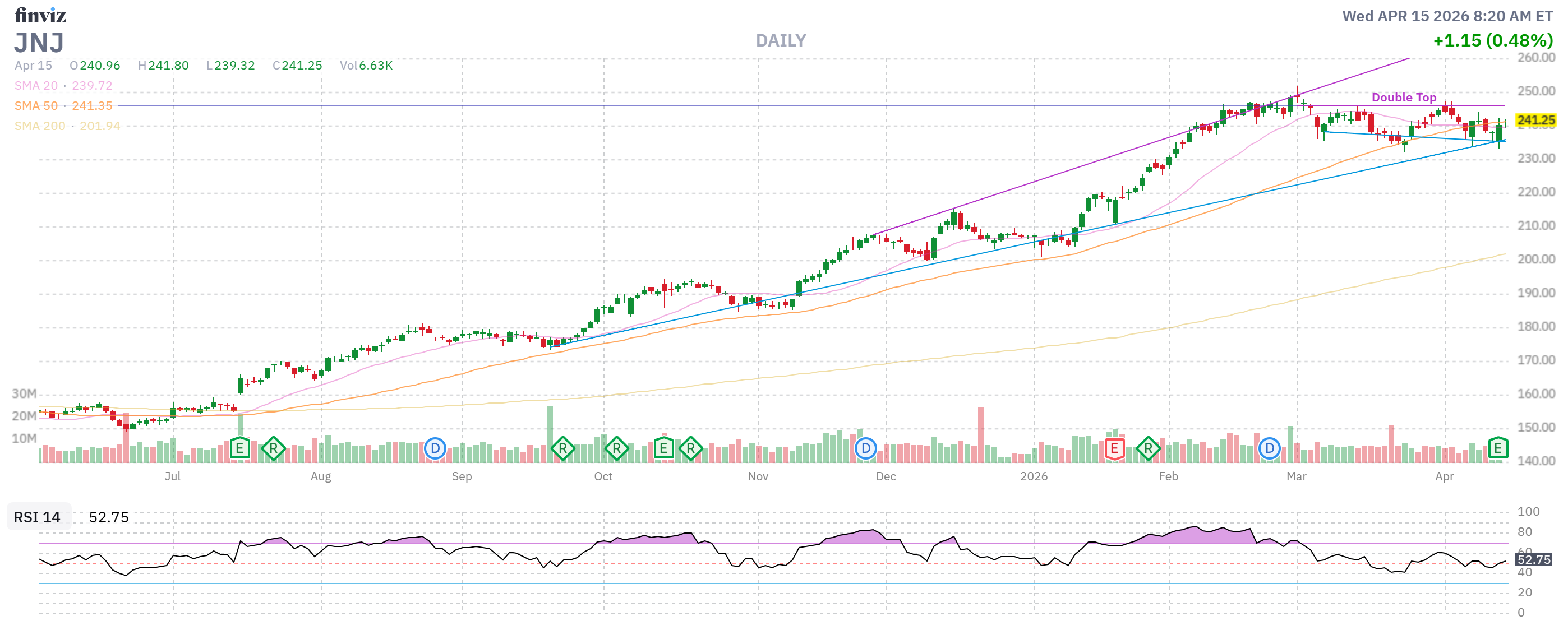
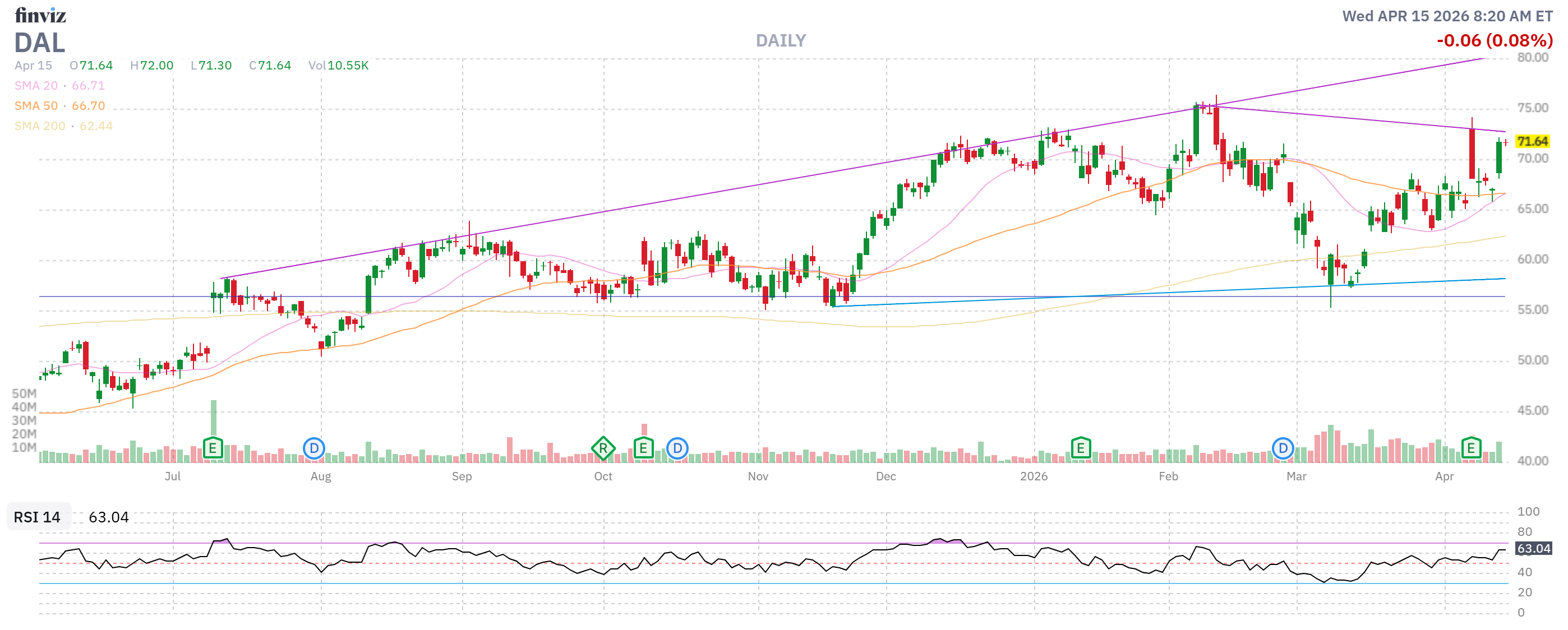
- Outside of financials, Johnson & Johnson beat estimates with $24.1Bn in revenue (+10% YoY) and $2.70 EPS, and raised full-year guidance to ~$100.8Bn in revenue. Delta delivered record Q1 revenue of $14.2Bn (+9.4%), but the fuel story is ugly – they paid $2.62/gallon in Q1 and are guiding for ~$4.30/gallon in Q2, roughly double last year.
The theme across the board? Trading desks are loving the volatility, investment banking is recovering and credit quality is holding up better than feared – but guidance is cautious and full of caveats about “uncertainty.” FactSet estimates the S&P 500 could ultimately post 19% earnings growth for Q1 – the best since Q4 2021 – though it’s worth noting that estimate revisions have actually ticked the growth rate down 0.6 points since March 31st. The FactSet season preview showed more companies issuing positive guidance than negative (59 positive vs 51 negative) but that was BEFORE the war really hit the numbers.
Now let’s talk about the data, because the macro picture is where the Beige Book becomes really interesting today:
Inflation – This is the big one. March CPI came in hot at 3.3% YoY, up sharply from 2.4% in February, with the monthly number surging 0.9% – and the culprit is no mystery. Energy jumped 10.9% in a single month (the biggest since September 2005), with gasoline up 21.2%. Core CPI was a more manageable +0.2% monthly and 2.6% annually, which tells you the war is the inflation story right now, not broad-based price pressures.
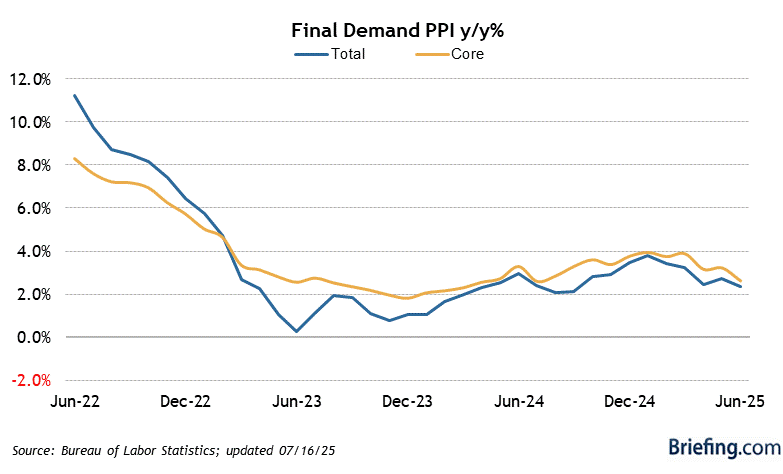
Gas is averaging $4.12/gallon nationally, up from about $2.94 before the conflict – the first time above $4 since the Russia/Ukraine spike in 2022. On the producer side, March PPI actually surprised to the downside at +0.5% (vs 1.1% expected), with core PPI up just 0.1% vs 0.5% expected – suggesting businesses are absorbing some costs for now, though the 4.0% YoY headline PPI is the highest since February 2023. Gasoline and diesel were the entire story: diesel prices surged 42% in the month.
Employment – The March jobs report showed +178,000 payrolls, which looks like a bounce after February’s revised -133,000, but don’t be fooled. As Zillow’s economists noted, a big chunk of that was healthcare workers returning from a strike (+35,000 in physicians’ offices). Federal government employment continued its decline (-18,000 in March, now down 355,000 or 11.8% since the October 2024 peak). Financial activities shed 15,000 jobs. The unemployment rate sits at 4.3%, long-term unemployed rose by 322,000 over the year, and discouraged workers jumped by 144,000 to 510,000. The labor market is moving sideways at best.
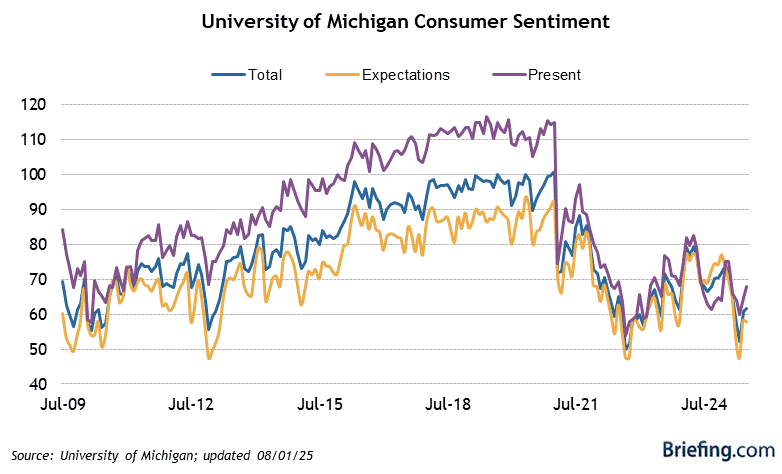
Consumer Confidence – This may be the scariest number out there. The University of Michigan preliminary April reading plummeted 11% to 47.6 – an historic low, well below the expected 52, with declines spanning all age groups and political affiliations. Current conditions fell to 50.1 from 55.8. When consumers are this gloomy, spending decisions start to change, and that’s what we need to watch in the Beige Book today.
Manufacturing – There’s actually some good news here. The ISM Manufacturing PMI came in at 52.7 in March, the third straight month of expansion after a brutal 10-month contraction, and the strongest reading since August 2022. Production is humming at 55.1 but new orders are decelerating (53.5 vs 55.8), employment is still contracting (48.7) and the supplier deliveries index hit 58.9, signaling supply chain tightening. The Prices Paid component is increasing, and exports are contracting – so the tariff/war overhang is clearly weighing on the external side.
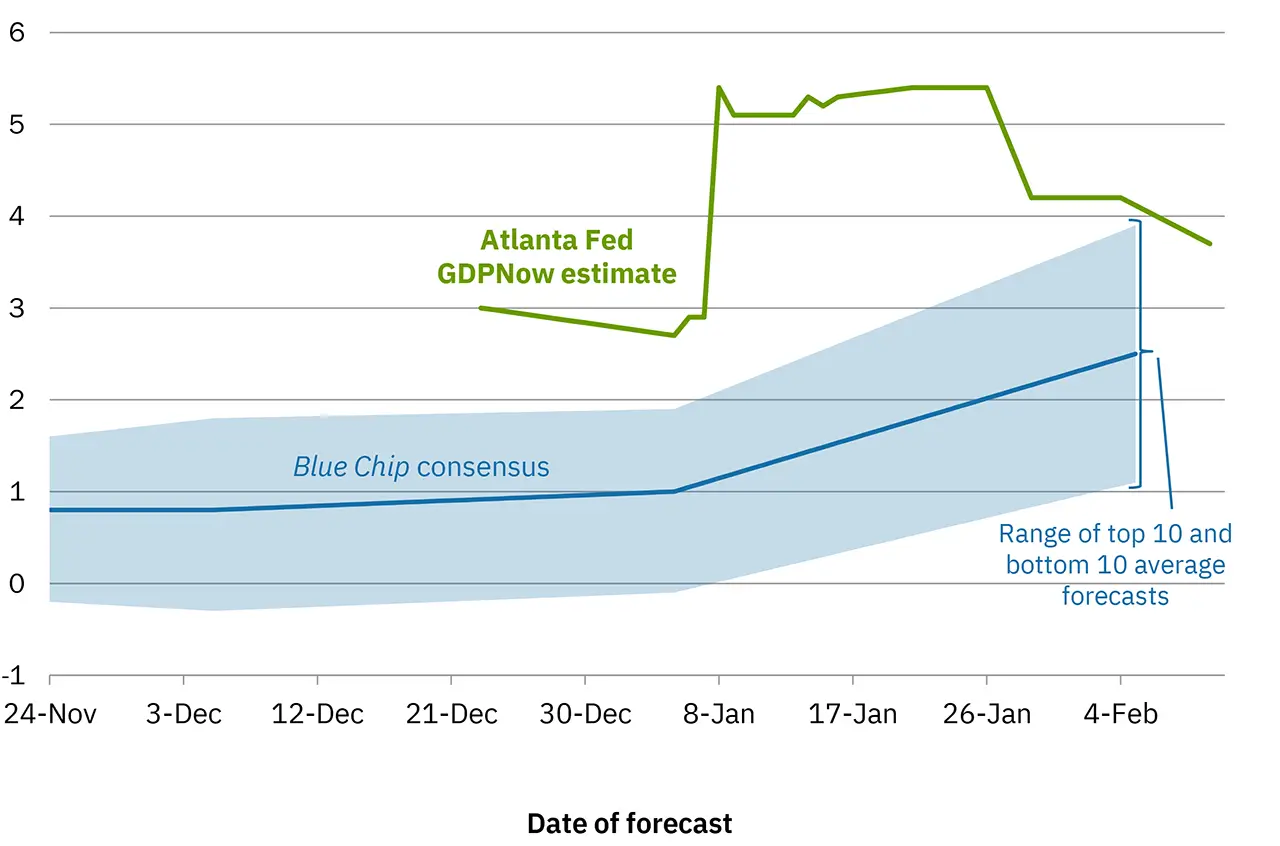
GDP – The Atlanta Fed’s GDPNow tracker has been falling like a stone – from 3.1% in late February to 2.7% in mid-March to just 1.3% as of April 9th. That tells you Q1 started strong but the war hit the trajectory hard in March. Consumer spending and investment estimates have both been revised down sharply.
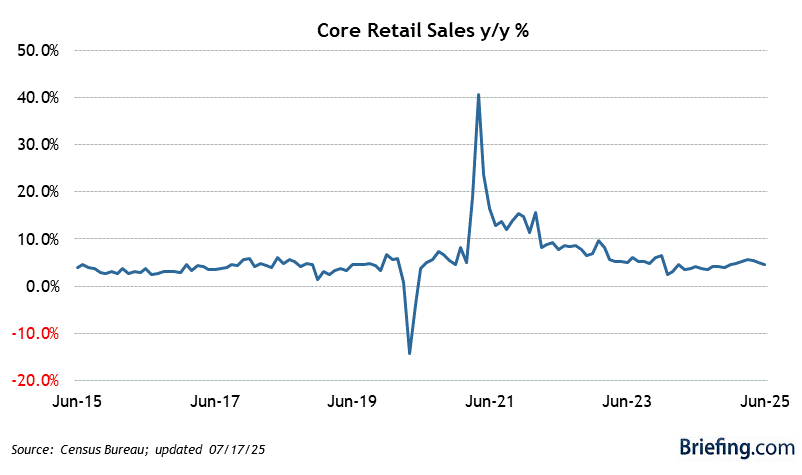
Retail Sales – February showed +0.6% growth with core sales up 0.4%, and the YoY number of 3.7% was the strongest since September 2025. But PNC notes that March gasoline prices will inflate the headline retail number while actually depressing real spending power. The NRF still forecasts 4.4% retail sales growth for 2026, but that projection doesn’t fully account for the Iran war impact.
So here’s the picture going into today’s Beige Book: Banks are making money hand over fist on the chaos, the earnings season should be solid in aggregate but the real economy is flashing amber. Inflation is re-accelerating on energy, consumers are the most pessimistic they’ve been in modern history, GDP growth is decelerating rapidly, and the labor market – while not collapsing – is clearly stalling. Manufacturing is the lone bright spot but even there the forward indicators (new orders slowing, exports contracting) suggest the momentum may not last.
That’s exactly why today’s Beige Book matters so much – it will tell us what’s actually happening on the ground across 12 Fed districts during those critical first weeks of the war. Are businesses pulling back on hiring plans? Are consumers trading down? Are supply chains re-seizing? The hard data says things were OK through February but deteriorating in March – the Beige Book will fill in the narrative, and that narrative is going to set the tone for how we interpret every earnings call for the next three weeks.