

Suppressing democracy and extracting resources at the expense of its people
I.
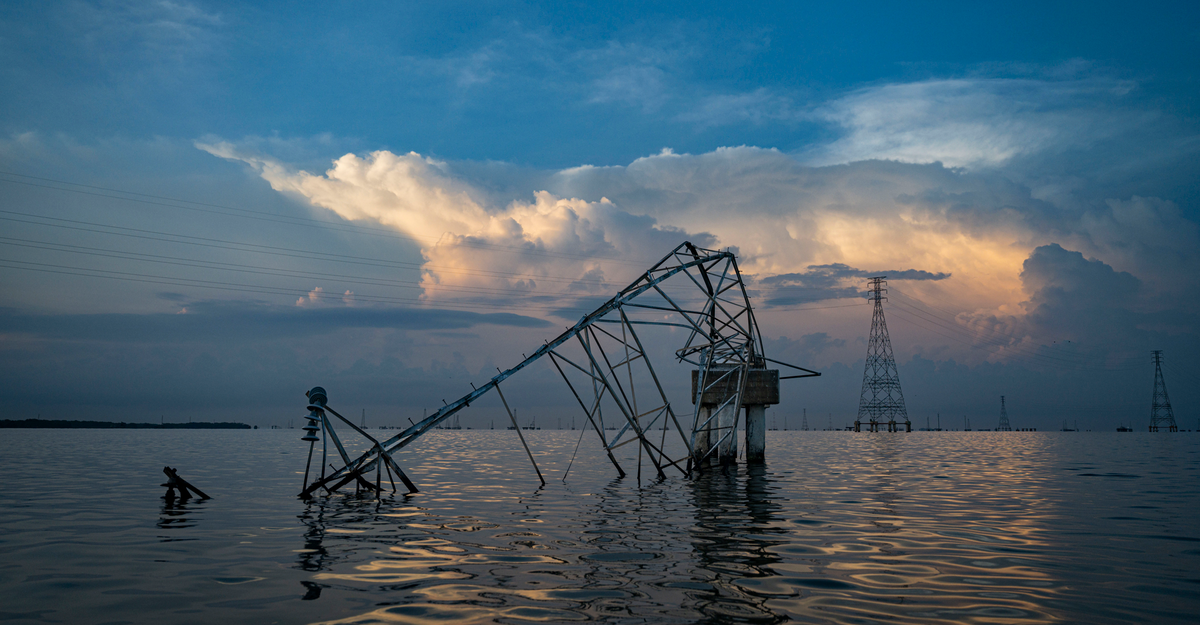
We drifted past abandoned drilling platforms, ghostly remnants of better days. Cormorants perched on the metal bars of broken oil rigs, drying their wings in the sun. When we reached a swirling, brown-green oil slick, Carlos slowed his motor. Raw oil could damage the engine, he said, and we’d already had to return to shore once that day to swap boats. We floated for a bit. Carlos, who makes his living as a fisherman on Lake Maracaibo, pointed out some surface bubbles, evidence of a leaky pipeline beneath the water. There was a strong smell of gas. He lit a cigarette anyway and laughed.
That morning, Carlos and his team had caught about 30 pounds of fish in the lake, a brackish estuary where oil was discovered more than a century ago. The subsequent boom built the cities of Caracas and Maracaibo, three generations of wealth, and four decades of democracy. A century later, tens of billions of barrels’ worth of reserves remain beneath the water. Some of them might now be controlled by the American government.