

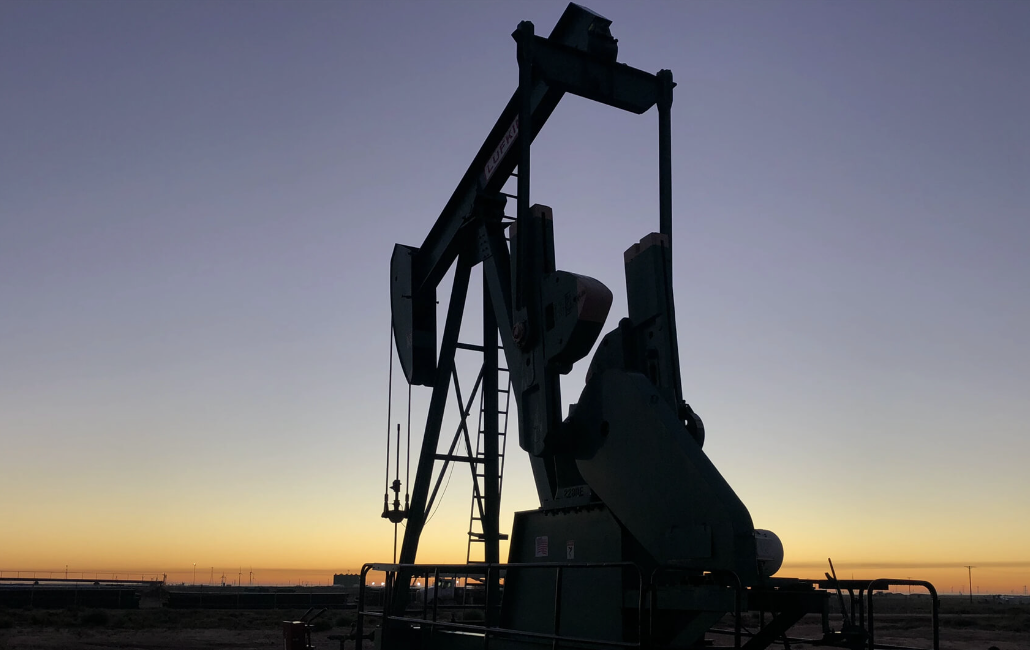
As Persian Gulf and Russian exports collapse, global prices will rise, which should benefit the U.S. and Canada. However, if exports are halted to keep gasoline prices down, then North America would become oversupplied. This would effectively cap oil prices near production costs, despite the rest of the globe facing shortages and rising prices.
Summary
Peter Zeihan’s latest analysis challenges the obvious narrative around oil and war. At first glance, a major disruption in the Persian Gulf and Russia should send oil prices sharply higher—and benefit North American producers. But his argument is that the real outcome is far more uneven, and in some ways could be counterintuitive.
Before the conflict, the U.S. was already the world’s largest oil producer, dominated by shale production. This oil is light and easy to refine. Canada, by contrast, produces heavier crude from oil sands, which is more energy-intensive and costly to extract. Both systems operate across a wide cost range, and while some production can continue at lower prices, sustained output generally depends on prices staying high enough—otherwise, activity slows or shuts down over time.
According to Zeihan, the loss of Persian Gulf supply alone could remove 10–12 million barrels per day from the global market, with additional disruptions from Russia potentially taking several million more offline. Even if the war ended quickly, much of this supply would not return for months or years.
On the surface, this should create a massive price spike—and globally, it likely does. But Zeihan argues that politics could intervene, particularly in the United States.
The key factor is that U.S. law may allow the president to halt crude oil exports without congressional approval. If gasoline prices surge high enough to become politically unacceptable, the administration could shut off exports, keeping domestic supply inside the country. If that happens, the outcome flips.
Instead of benefiting from high global prices, North America could become oversupplied. With too much oil trapped domestically, prices in the U.S. and Canada could fall, even while the rest of the world faces extreme shortages and potentially $200 oil.
This creates a split market: high prices globally, but relatively low prices inside North America.
In that environment, oil producers are not the main winners. Refiners are.
Because the export restrictions apply to crude oil—but not refined products—refiners can buy cheap domestic crude, process it, and sell gasoline, diesel, and other products into a high-priced global market.
There is a catch. U.S. refineries are currently optimized for heavier crude imports, not the lighter shale oil that would dominate a closed domestic system. Adjusting to this shift would require time and investment, creating short-term inefficiencies and costs. But over time, refiners could become highly profitable.
The broader takeaway is that the first-order assumption—war equals higher oil prices and producer profits—misses a potentially more important dynamic. Policy responses and infrastructure constraints may ultimately matter more than the initial supply shock.

