

U.S. attempt to open Strait of Hormuz tests fragile Iran war ceasefire
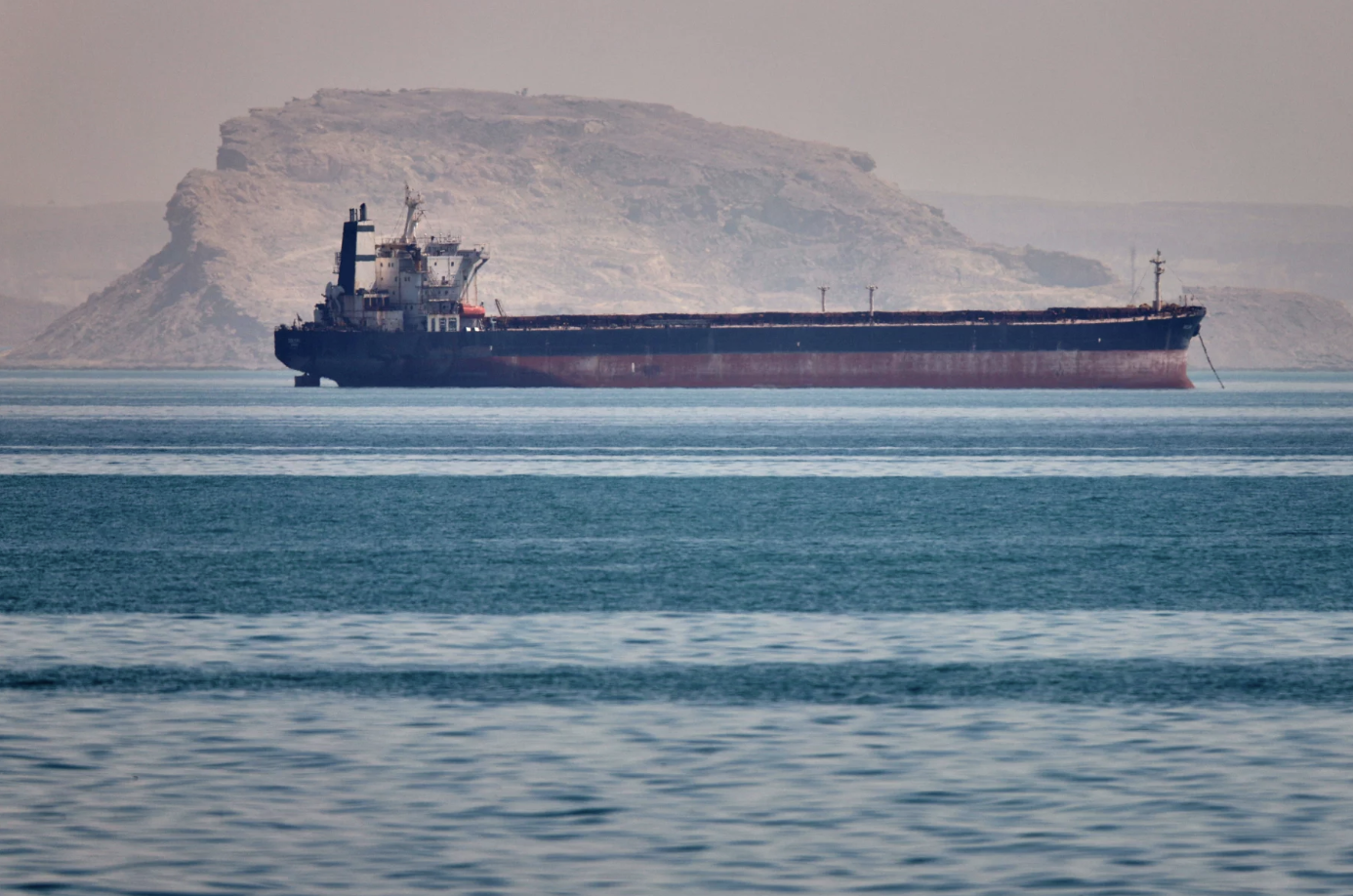
A bulk cargo ship sits at anchor in the Strait of Hormuz off Bandar Abbas, Iran, Saturday, May 2, 2026.
The Iran war risked reigniting after the U.S. tried to force open the Strait of Hormuz for commercial shipping, though a ceasefire seemed to be holding Tuesday even after the United Arab Emirates said Iran fired missiles and drones at it.
It is unclear what will follow after an American attempt to end Iran’s stranglehold on the strait by creating an “enhanced security area.” A prominent Iranian official accused the U.S. of undermining regional security with the effort and warned that Iran will respond.
Summary
The U.S. is attempting to reopen the Strait of Hormuz to commercial shipping, which has been effectively closed by Iran since the U.S. and Israel attacked Iran on February 28. The effort, dubbed “Project Freedom,” successfully escorted two American-flagged merchant ships through the strait on Monday, but Iran is calling it a ceasefire violation.
Iran’s parliamentary speaker warned that Tehran has “not even begun yet” to respond, while the UAE bore the brunt of immediate Iranian retaliation — reporting 15 missiles and 4 drones fired at it, one of which struck an oil facility. The U.S. military says it sank six Iranian small boats that attacked civilian ships under its protection.
The strait is enormously important globally, as roughly a fifth of the world’s oil and gas trade passes through it. Its closure has spiked fuel prices and rattled the global economy. The U.S. has also maintained a naval blockade on Iranian ports since April 13, aiming to pressure Iran into concessions on its nuclear program.
Peace negotiations are making little progress. Iran is demanding the U.S. lift sanctions, end the blockade, and withdraw from the region, while notably leaving its nuclear program off the table — something the U.S. and Israel have long considered a core issue. President Trump expressed skepticism that Iran’s proposal would lead to a deal.

