


Courtesy of Pam Martens.
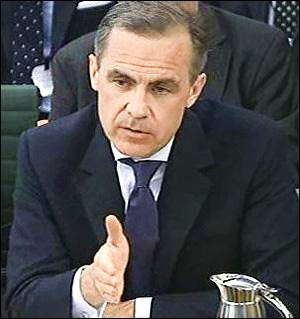
Mark Carney, Head of the Financial Stability Board
Apparently, not one of the global regulators pushing the latest plan to prevent another taxpayer bailout of the over-leveraged, globe-trotting banking behemoths that crashed the financial system in 2008 ever worked a day on Wall Street or sat behind a trading terminal during the crisis. If one had, he would have exposed this plan immediately as an exercise in illusory thinking – effectively, the same framework on which global banking currently exists.
Yesterday, the Financial Stability Board, established in 2009 to coordinate financial regulatory proposals on behalf of the Group of 20 major economies (G-20), released a proposal that is being promoted as a means of ending taxpayer bailouts of too-big-to-fail banks. These 30 banks are known as G-SIBs, or Global Systemically Important Banks. But the proposal does nothing to address the “systemic” danger of these banks, thus the proposal is nothing more than captured regulators floating another useless trial balloon for reform because they lack the political courage to admit the only solution is to break up these bloated financial institutions that regularly function variously as crime syndicates and institutionalized wealth transfer systems.
Mark Carney, head of the Bank of England, who also chairs the Financial Stability Board, touted the plan as a “watershed” moment.
The plan calls for the 30 global banks to hold somewhere between 16 to 20 percent of their risk-weighted assets in loss absorbing capital. In addition to issuing additional equity (which would be dilutive to existing shareholders), the plan calls for at least one-third of the new funding to consist of unsecured long-term debt held at the holding company level so that bond investors would experience the losses while other parts of the bank remain functioning if regulators have to place the bank in resolution.
Among the Global Systemically Important Banks are those the public continues to read about being charged with functioning in crime cartels: JPMorgan Chase, Citigroup, and Barclays – adding an unaddressed dimension of systemic.
…

