

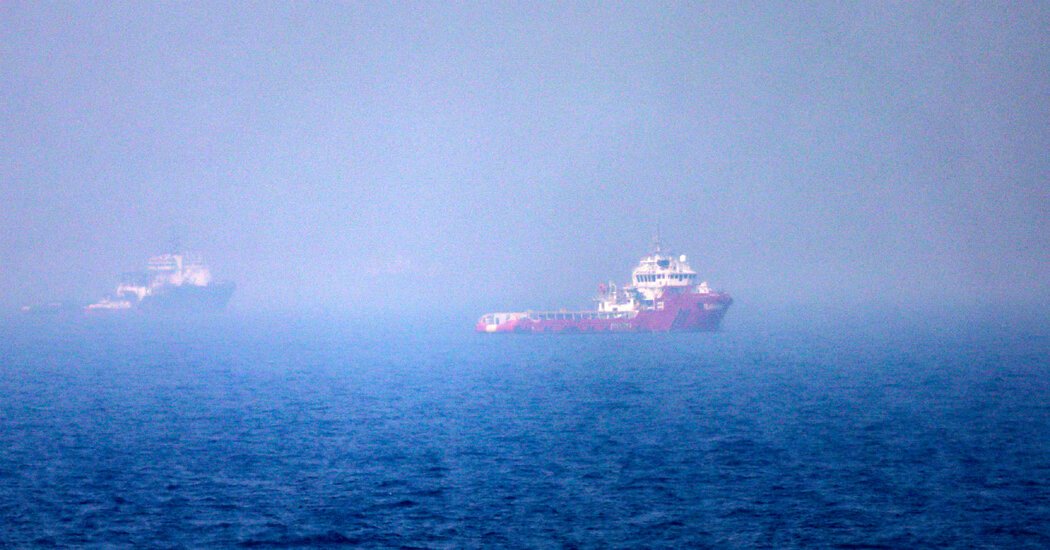
The first blockade in April choked off Iranian exports without causing a lasting price surge. Now global oil reserves are lower, and ships face heightened risks.
President Trump’s first naval blockade on Iranian ports in April caused oil prices to rise, but not to the stratospheric levels some feared. And Tehran’s oil exports plunged, depriving Iran of billions in revenue.
The strategy may be harder to pull off a second time without inflicting broader collateral damage to markets.
U.S. oil reserves, which have been steadily drawn down since the start of the war to help combat global shortages, are now at their lowest levels since 1983. Commercial inventories also have been run down. And other oil-producing countries in the region may have a harder time getting their ships out because of the heightened risks.

