

The Iran War’s Ramifications Have Only Just Begun
U.S. goals haven’t been met, but the war will cause long-term disruptions.
By Nancy A. Youssef and Jonathan Lemire, The Atlantic
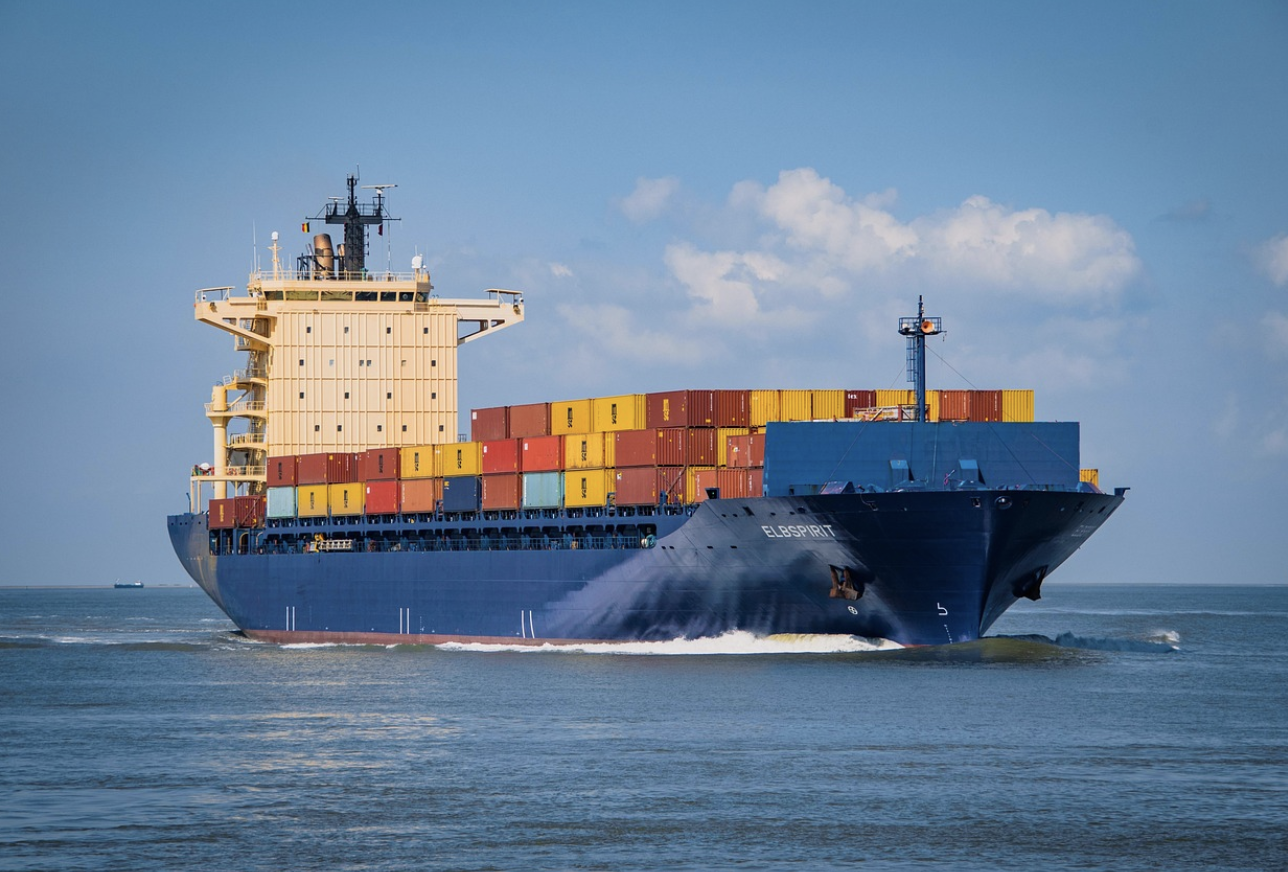
President Trump, celebrating Tehran’s declaration that the Strait of Hormuz would reopen to commercial shipping, posted on Truth Social on April 17, “IRAN HAS JUST ANNOUNCED THAT THE STRAIT OF IRAN IS FULLY OPEN AND READY FOR FULL PASSAGE.” The opening didn’t last. But, in his haste, Trump had inadvertently spelled out possibly the most consequential result of his eight-week war: The Strait of Hormuz now looks, in practice, like the “STRAIT OF IRAN.”
Although none of the Trump administration’s goals—an end to Iran’s nuclear ambitions, destroying Iran’s missile capability, neutralizing proxy forces, regime change—has been fulfilled, the war has led to enduring changes. Two sweeping conclusions—one short-term, one longer—have become clear, experts in defense, diplomacy, business, and economics told us.

